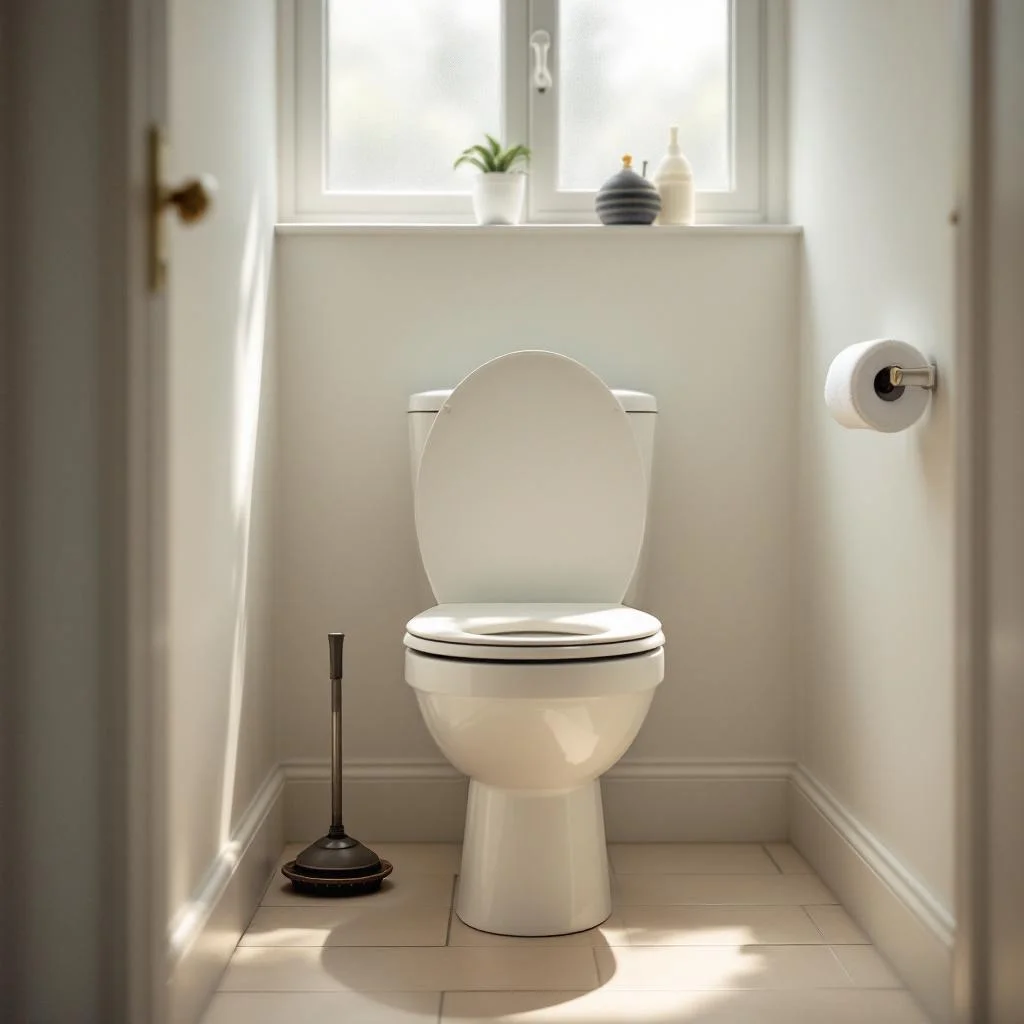
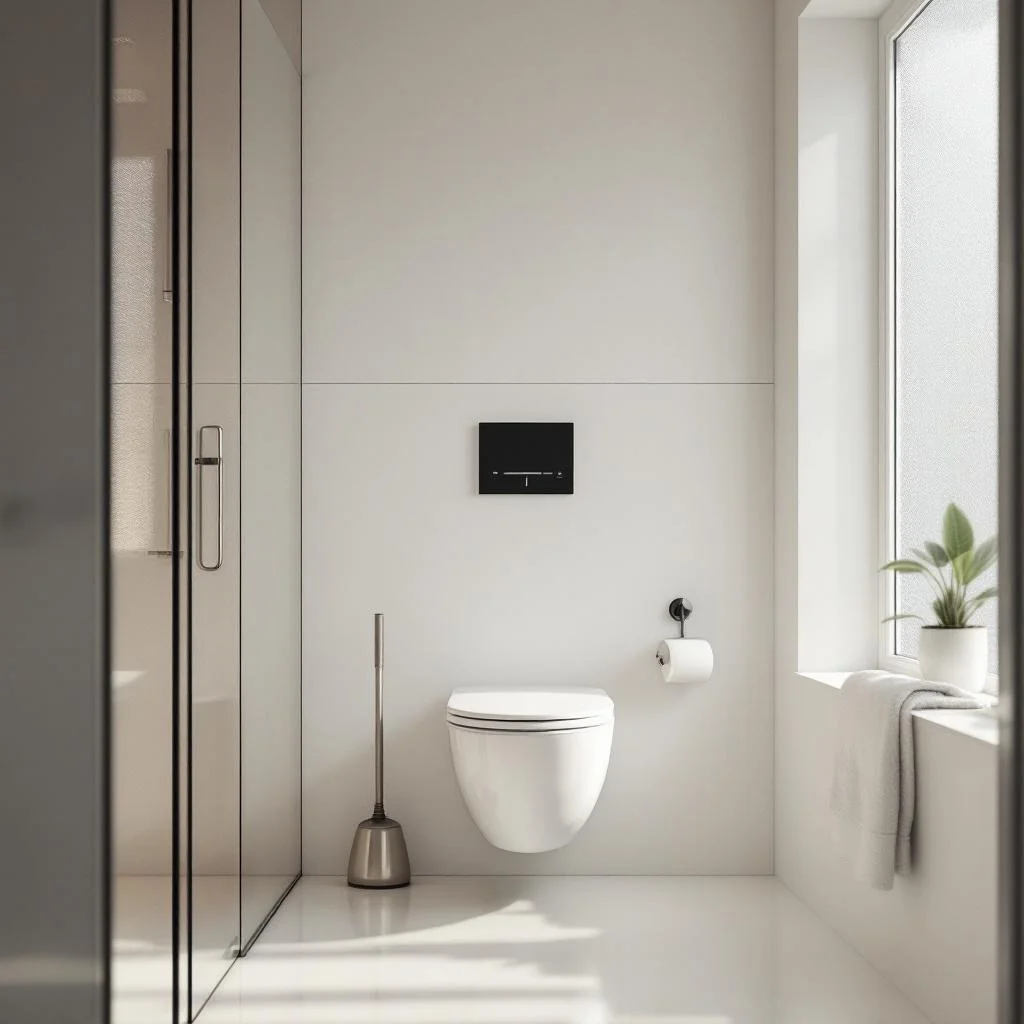
A blocked toilet in London is one of the most common household emergencies we attend. It is also one of the most frequently self-resolved — the majority of straightforward blockages clear with items already in the home. Before you call an engineer, work through these five fixes in order. If none of them works, or if the toilet is overflowing, call immediately.
Fix 1 — Correct Plunger Technique
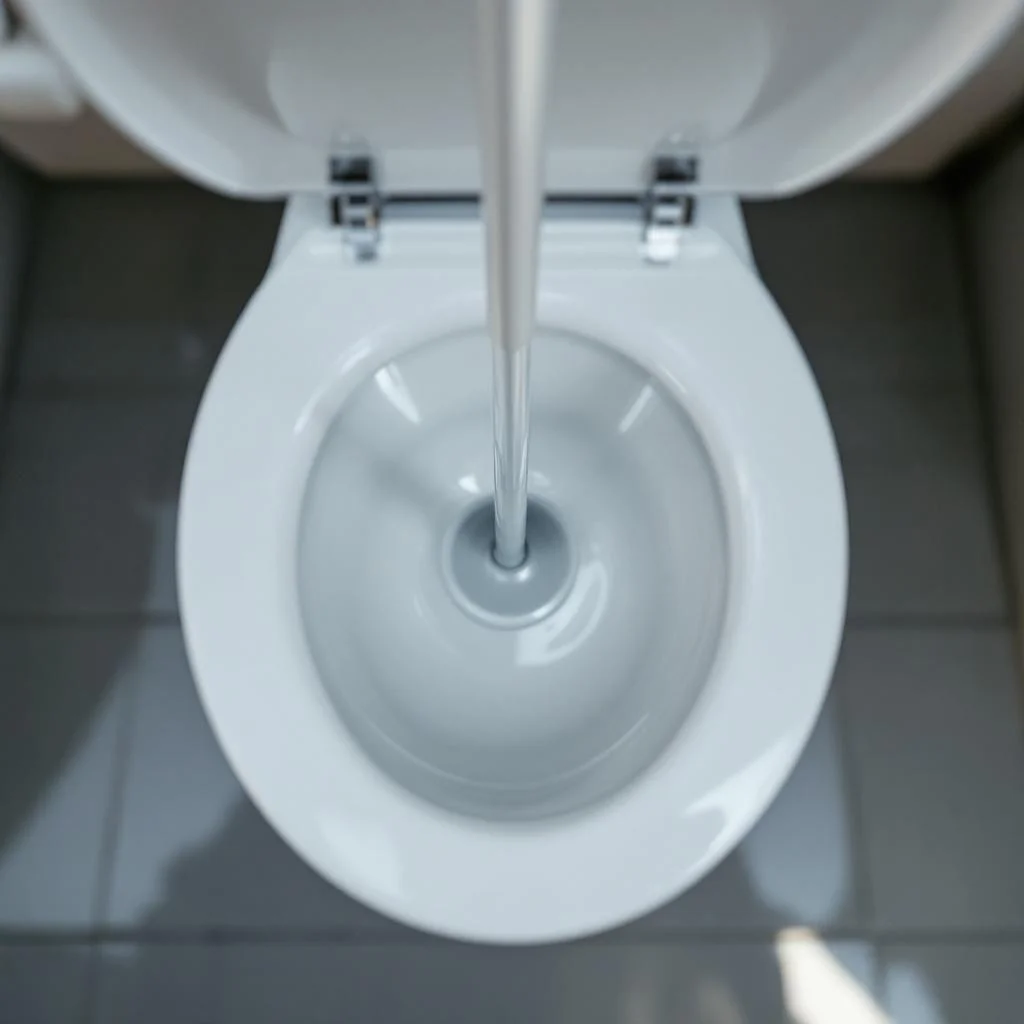
The most common reason a plunger fails is incorrect technique, not an insoluble blockage. For a toilet, you need a flange plunger — one with a rubber skirt that folds out to form a seal inside the toilet trap — not a flat-cup sink plunger.
How to do it correctly:
- Ensure there is enough water in the bowl to cover the plunger cup. If the bowl is empty, add water from a bucket.
- Lower the plunger into the water at an angle to let air escape from inside the cup, then straighten it to create a seal in the toilet trap.
- Push down slowly and firmly — force air out. Then pull up sharply — the suction breaks the blockage free.
- Repeat 10–15 times with steady rhythm before giving up. Most blockages that respond to plunging do so within the first 15 strokes.
If the water level drops after plunging, the blockage has shifted. Flush once to confirm it has cleared. If the water rises instead of falling after you flush, stop and move to Fix 2.
Fix 2 — Hot Water and Dish Soap
If plunging did not clear the blockage, however, this next method works on waste accumulation rather than a foreign object.
- Add a generous squeeze of washing-up liquid into the toilet bowl.
- Heat a bucket of water to as hot as you can comfortably carry — not boiling. Boiling water can crack a cold ceramic toilet bowl.
- Pour the water into the bowl from waist height in a steady stream. The weight and heat of the water, combined with the soap lubricating the blockage, often shifts what a plunger could not.
- Leave for 5–10 minutes, then try plunging again.
Fix 3 — Toilet Auger (Drain Snake)
If a plunger and hot water have not worked, a toilet auger — a flexible cable with a corkscrew tip designed to pass around the toilet trap — can break up or retrieve a blockage that is further into the pipe.
Feed the cable into the toilet trap and rotate the handle clockwise as you push. When you feel resistance, continue rotating to break up or hook the blockage. Pull out slowly; if you have hooked something (a toy, a large clump of wet wipes), it will come out with the cable.
Toilet augers are available cheaply from most London DIY stores and are worth keeping in the house if you have young children or older pipes. Do not use a drain rod — the connections are not designed for a toilet trap and can detach inside the pipe.
Fix 4 — Baking Soda and White Vinegar
A gentler approach for partial blockages or slow-flushing toilets rather than a complete block. Pour one cup of baking soda directly into the bowl, followed by one cup of white vinegar. The chemical reaction creates a fizzing action that can break down organic build-up on the pipe walls. Leave for 20–30 minutes, then flush. This is particularly effective on calcium and limescale build-up, which is common in London's hard water areas.
Fix 5 — Check the Cistern
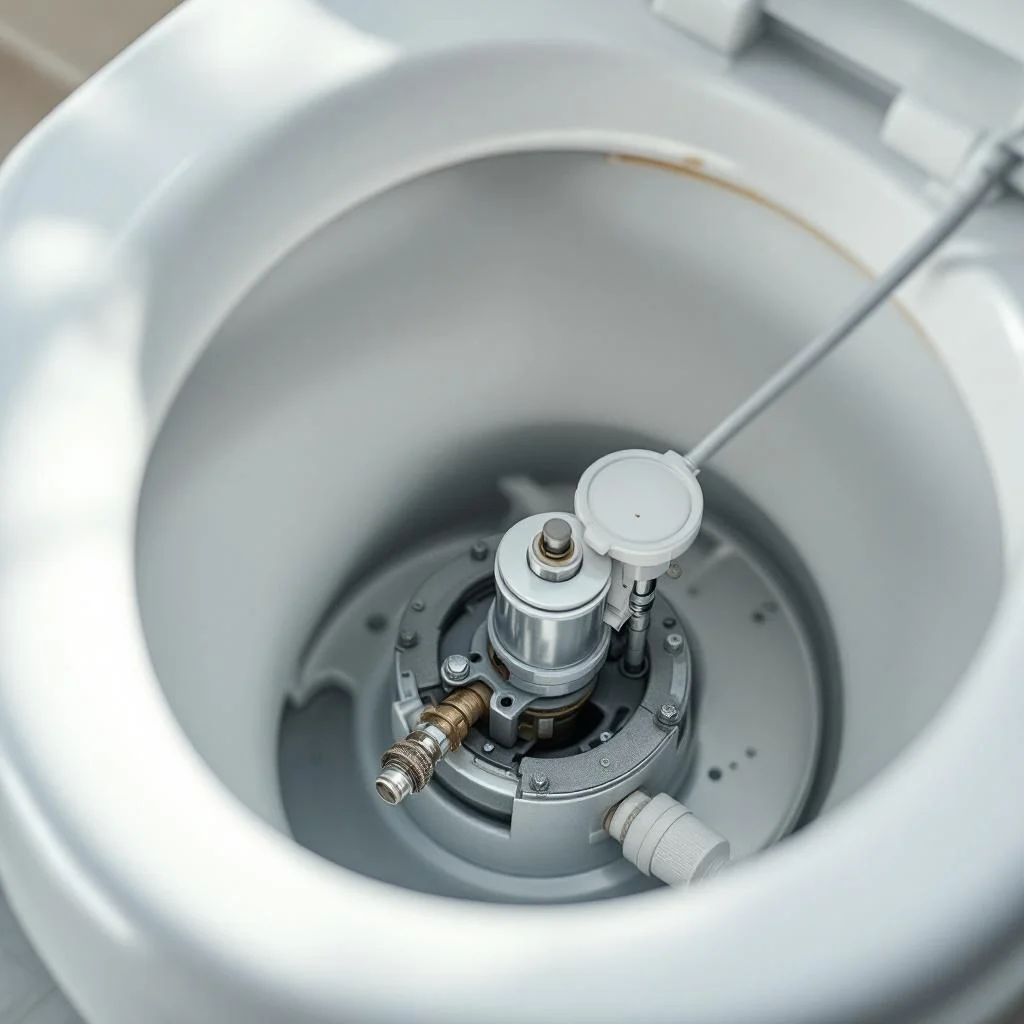
If the toilet flushes weakly — water trickles rather than rushes — the blockage may be a partially functioning flush mechanism rather than a drain blockage. Remove the cistern lid and check:
- The flush valve: does it lift fully when you press the handle? If not, the chain or handle linkage may be broken or disconnected.
- The water level: should be 2–3cm below the overflow tube. If lower, the fill valve may need adjustment.
- The flush volume: some dual-flush cisterns have a setting that can be inadvertently reduced.
A weak flush leaves waste in the trap that accumulates over time. Fixing the flush mechanism often resolves persistent partial blockages without any drain work.
When to Call a Professional
Call a drainage engineer immediately if:
- The toilet is overflowing or sewage is backing up into other fixtures — bath, shower, or basin. This indicates a blockage in the shared drain or lateral, not just the toilet trap.
- You can hear gurgling from other plumbing fixtures when the toilet is flushed. This is a sign of a partial blockage further down the shared drain.
- None of the five fixes above has worked after a genuine attempt. A professional can use high-pressure jetting equipment or a drain camera to identify and clear blockages beyond the reach of DIY tools.
- You suspect a foreign object — a child's toy, a phone, sanitary products — has been flushed. These are best retrieved by a professional to avoid pushing them further into the drain.
The cost of a one-off professional unblocking for a toilet in London depends on the scope of the job. If the blockage is in the shared lateral rather than the toilet trap, the cost may be higher and Thames Water may be responsible for part of the work — see our guide on drain responsibility in London for more detail.
Our blocked toilet service covers all 32 London boroughs, 24 hours a day. For domestic toilet unblocking we provide a fixed price before starting and prioritise urgent jobs for the fastest possible response in most London boroughs.
What Causes Toilet Blockages in London
London's hard water causes limescale build-up on the inside of toilet traps and the first section of drain pipe, gradually narrowing the bore and making blockages more likely. Wet wipes are the leading cause of serious toilet blockages — even products labelled "flushable" do not disintegrate in the pipe and accumulate into dense masses. Cotton buds, sanitary products, and dental floss all contribute to the problem.
In older London properties, the toilet waste pipe may be 4-inch (100mm) cast iron — the bore narrows with corrosion over decades, increasing the risk of blockage. A recurring toilet blockage on an older property is worth investigating with a CCTV drain survey to rule out a structural cause.
Frequently Asked Questions
Why does my London toilet keep blocking even after clearing?
Recurring blockages almost always indicate either consistent misuse — wet wipes, sanitary products — or a structural issue such as a narrowed pipe bore, a partial root intrusion, or a displaced joint in the lateral. If the same toilet blocks three or more times in 12 months, a CCTV survey will identify the cause.
Is it safe to use chemical drain unblockers in a toilet?
Chemical unblockers designed for sinks are not effective in a toilet trap and some are corrosive to older ceramic and rubber seals. Stick to the mechanical methods above — they are safer and more effective for toilet blockages.
Can a blocked toilet damage my pipes?
Not directly from the blockage itself. However, if a toilet overflows and sewage contacts the floor or walls, water damage and contamination risk are real concerns that need prompt attention. Acting quickly prevents secondary damage.
What should I never flush down a London toilet?
Wet wipes (including "flushable" ones), sanitary products, cotton buds, dental floss, paper towels, cooking fat, medication, and small objects. The only things that should go down a toilet are human waste and toilet paper.
How quickly can you attend a blocked toilet in London?
We prioritise blocked toilet requests for the fastest possible response, 24 hours a day across all 32 London boroughs. Request a quote online via our contact form for immediate assistance.