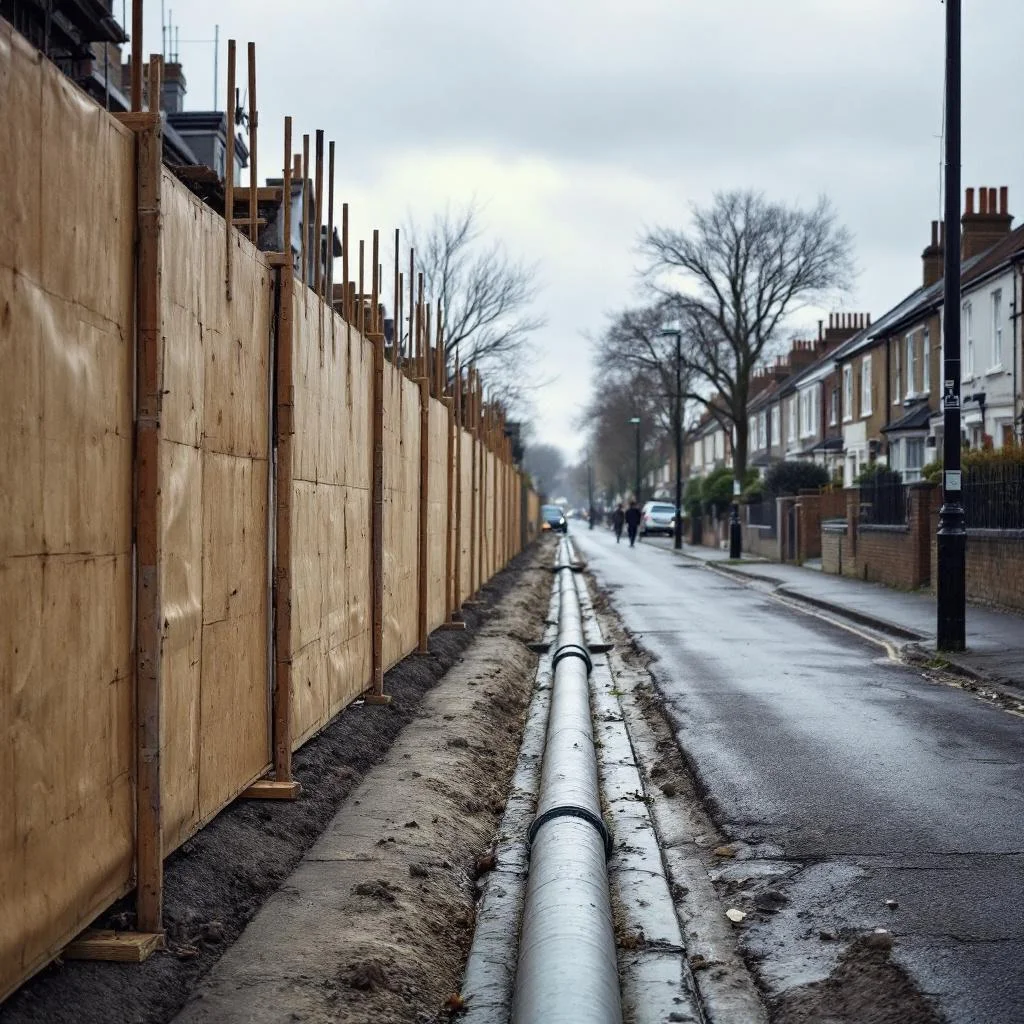

Many residents of Lambeth and Southwark report drain smells that nobody can explain, although some have already had their drains jetted and surveyed. They ask why the smell keeps coming back.
The answer often lies below the private drain, not in it, because both boroughs sit over the courses of several lost rivers. Where these culverted streams meet the Victorian sewer network, they can produce the sulphur smells that people blame on a blocked drain. Standard drain treatments then fail to fix them.
The Lost Rivers of South London
The River Effra
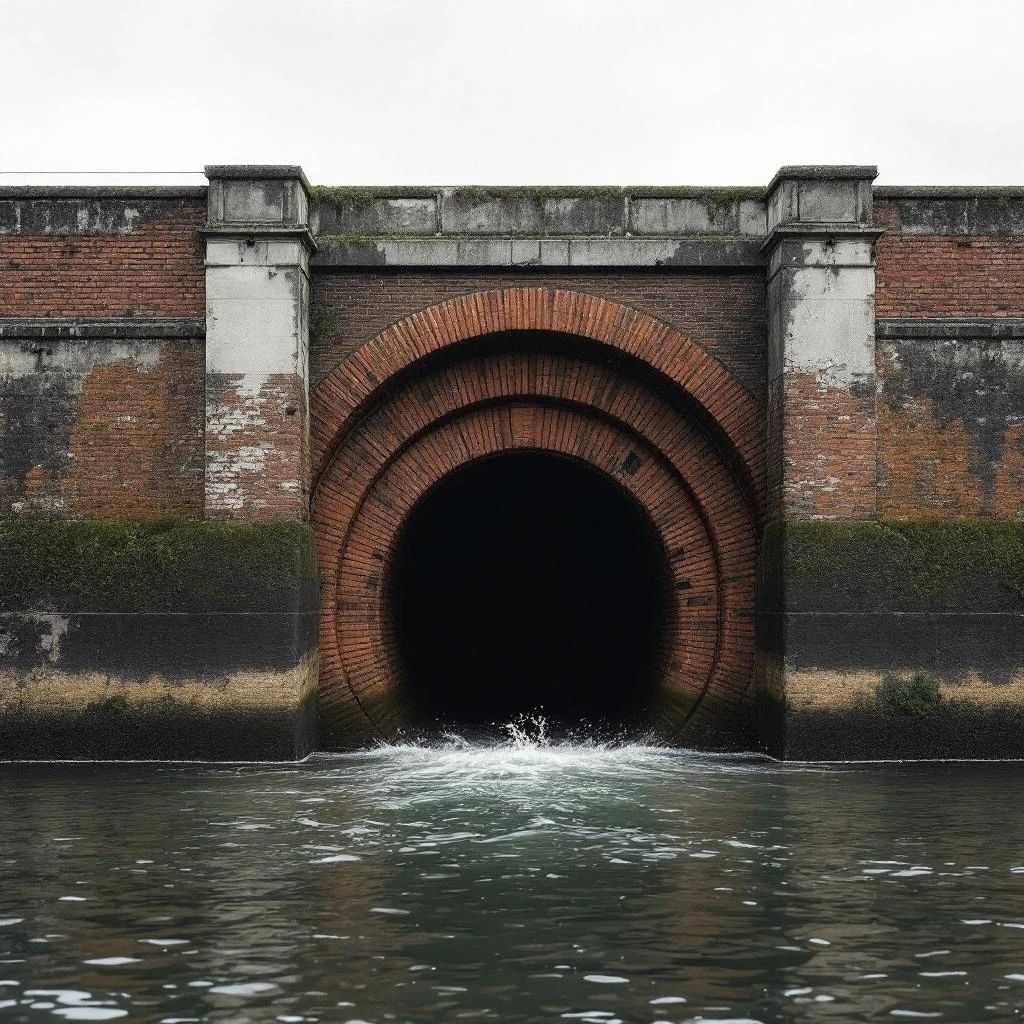
The Effra is the best known of South London's hidden rivers. It rises near Crystal Palace and runs north through Dulwich, Herne Hill, Brixton and Stockwell. It joins the Thames near Vauxhall. While it once ran in the open, in Victorian times, builders put it underground. It became part of the sewer network as part of Bazalgette's great drainage scheme.
The Effra still flows today, through brick culverts and, in places, through combined sewers. Homes near its old course may see groundwater affect their private drains. This is most likely after long spells of rain, when the culvert runs high.
The River Neckinger and Earl's Sluice
The Neckinger rises near Elephant and Castle and runs through Bermondsey, while it once reached the Thames near St Saviour's Dock. The Earl's Sluice drains parts of Peckham and Bermondsey. Both went underground in the 19th century, and the sewer network under Southwark now carries them.
Like the Effra, these streams add groundwater to the network, and that changes the flow and the chemistry in ways that can reach private drains.
How Lost Rivers Cause Drain Smells
The rivers themselves do not smell, yet the link is real, and it works in three ways.
Groundwater infiltration into drain joints
Near a buried stream, groundwater sits higher and changes more. Since more water presses on buried pipes, where a pipe has slipped joints, hairline cracks or open rodding eyes, groundwater leaks in. It then mixes with the sewage in a Victorian combined drain. The mix boosts bacteria that thrive without air. These bacteria make hydrogen sulphide, which gives the "bad egg" smell.
Hydraulic interactions during rainfall
During heavy rain, the buried streams run higher. They push on the combined sewers they join, and that can part-fill private laterals. Although there may be no visible backup, the pressure can drive sewer gas back into private drains. The gas then emerges at fixtures, especially in ground-floor bathrooms and kitchens.
Seasonal variation
The smell follows the rain, because the streams do. Residents often notice it most after the first heavy autumn rains following a dry summer. They may notice it again in the wettest winter months. If your smell follows the weather, groundwater is a likelier cause than a blockage you can fix.
How to Investigate a Persistent Drain Smell in These Boroughs
Step 1: Rule out the straightforward causes first
Because simple causes are common, check them before you blame a lost river.
- Make sure every drain trap holds water, since a dry trap lets sewer gas straight through. Run seldom-used taps and toilets now and then
- Check that the soil stack vent is clear, because a blocked vent can siphon traps dry
- Look for fixtures that someone changed or removed and left an open pipe end
Step 2: CCTV drainage investigation
A drainage investigation via CCTV shows whether the drain has open joints, cracks or loose connections. Since these let groundwater in and sewer gas out, it is the best first step for a smell that jetting and trap care do not cure. Near the mapped Effra course, a survey with a water test can be especially useful.
Step 3: Smoke testing
Although the camera may find no clear defect, if the smell persists, try smoke testing. A harmless smoke goes into the drain under light pressure. Where it comes out shows the path the gas takes. This works well for gas paths that a camera cannot see.
Since many causes overlap, for drainage investigations in Lambeth and Southwark, we can combine CCTV, water testing and smoke testing in one package.
Drain Repairs in Lambeth and Southwark
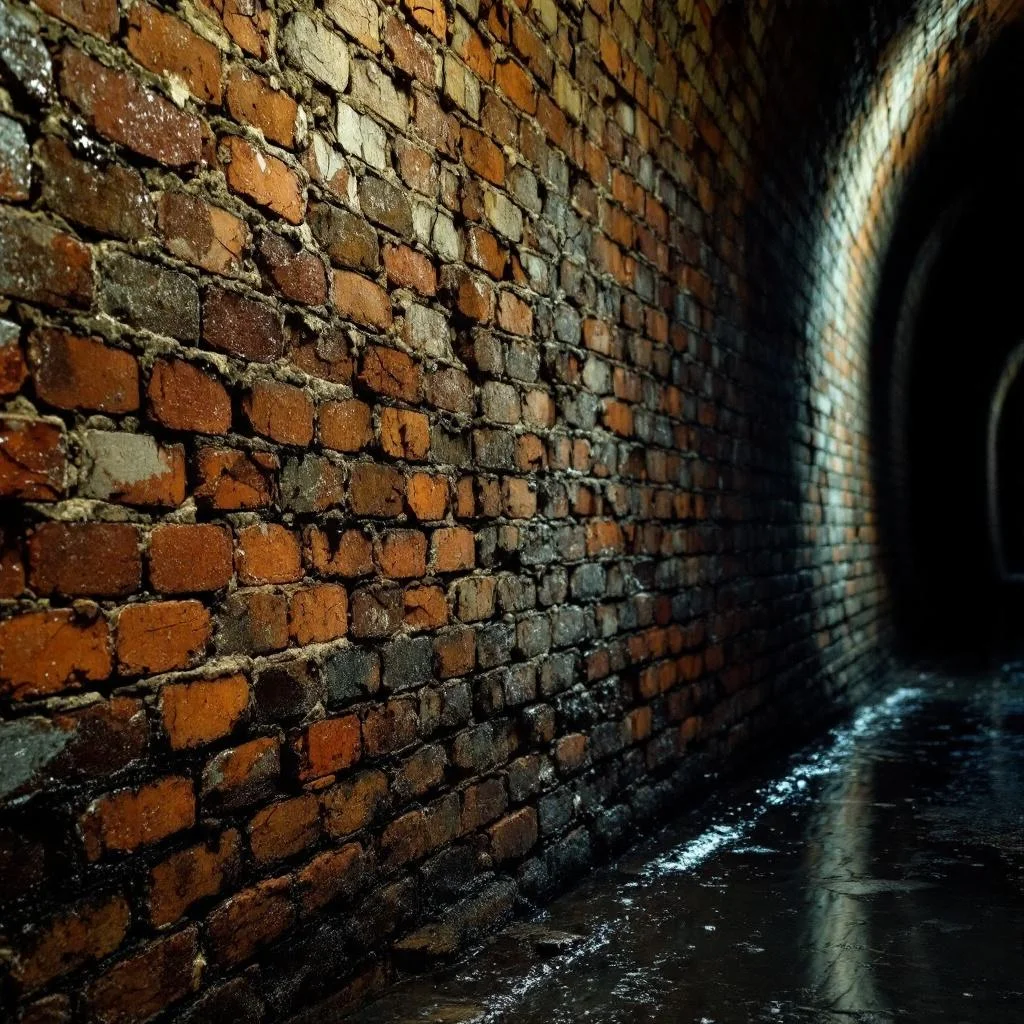
If the survey finds open joints or cracks, relining is often the best fix, because it seals the defects without digging, so less groundwater gets in.
If it finds a misconnection, where a surface water drain joins the foul sewer or the reverse, correcting it stops the mixing that causes the smell. While it sounds rare, older South London homes often have this fault.
If the gas comes from the public sewer, not a private defect, it is a Thames Water issue. Send it your CCTV report, since documented findings from an independent survey help it act faster.
Frequently Asked Questions
My drains have been jetted and the smell keeps coming back. Why?
Jetting clears blockages, but it does not repair the pipe. Because of that, if groundwater enters through open joints, or gas escapes through a crack, jetting will not stop it. A CCTV survey finds the real cause.
Could the River Effra genuinely be affecting my drain smell in Brixton?
It can, because buried streams affect the groundwater and the sewers around them. Homes near the Effra course may show signs of groundwater leaking into drains on a CCTV survey. A site check is the best way to confirm it for your own home.
Does a lost river interaction mean my drains need major repairs?
Not necessarily, since sealing the joints where groundwater enters, by relining or a patch, often cures the smell at modest cost. A survey is needed first to show how big the leak is.
Can I find out whether my property is near a lost river course?
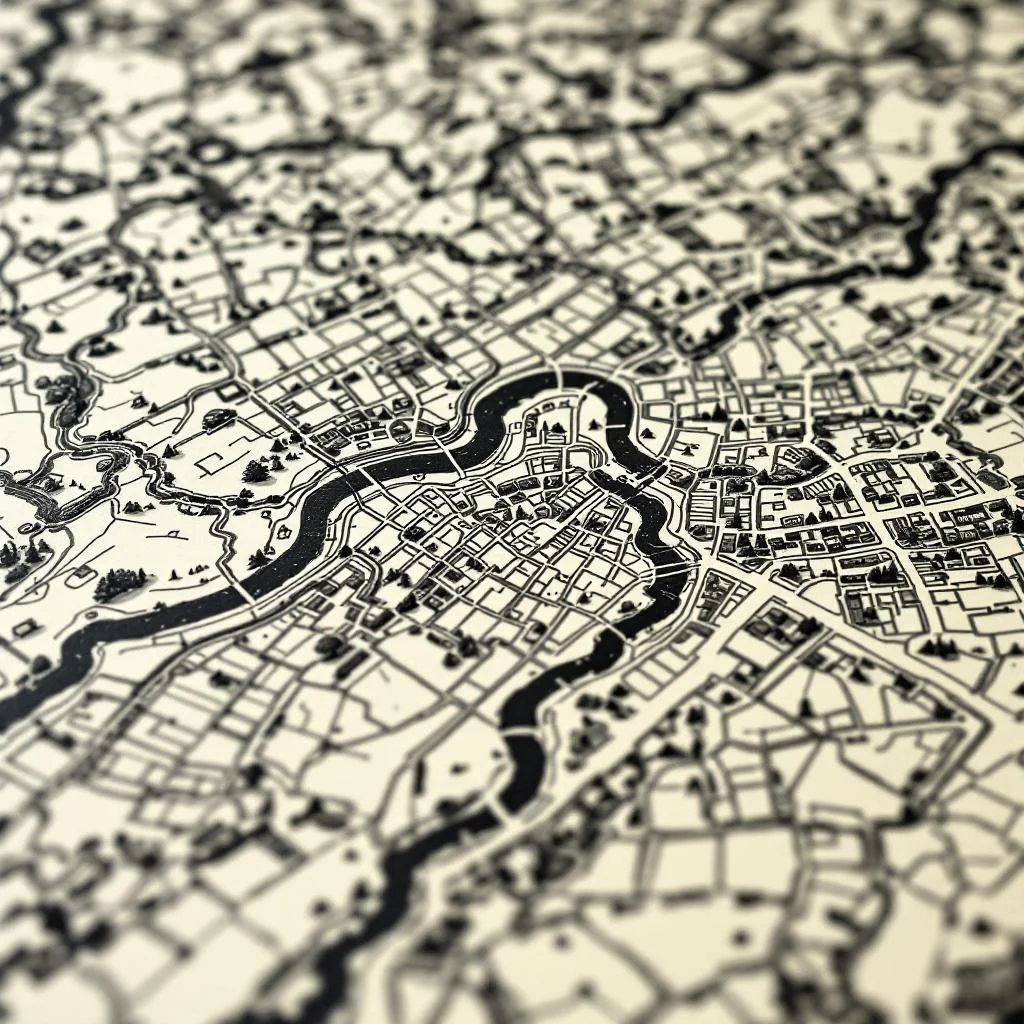
Local history groups publish maps of the buried rivers, and the Environment Agency holds groundwater data. However, for an operational view, a site check shows how a river affects your own drain. That is more useful than a map.
How much does a full drainage investigation cost in Lambeth or Southwark?
The cost depends on the number of drain runs and the access, while a full investigation with smoke testing adds to it. Request a quote online via our contact form for an assessment.
Because every property is different, start with our guides to blocked drains and internal drain unblocking advice. We also cover blocked drains in Southwark and blocked drains in Lambeth, so you can see how the work runs near you.
Guides worth reading next
- Blocked Drains in Lewisham, Deptford, and New Cross: SE London Drainage Problems
- Where Does London's Waste Water Go? Thames Tideway 2026
- Tower Hamlets' Rat Problem and What It Means for Your Drains
- Westminster Drainage Surcharges: What Residents Pay in 2026
- Autumn Leaf-Fall Drain Guide: London Borough Gully Checklist