
A drain emergency is one of the most stressful events in a home, although calm action helps. It may be sewage backing up into the house, an overflowing chamber or several fixtures failing at once. Your first few minutes matter, because they decide how far the mess spreads. This guide gives you a step-by-step action plan from the moment you realise there is a serious problem.
Is It Actually an Emergency?
First, work out what you are dealing with. True drain emergencies involve one of these:
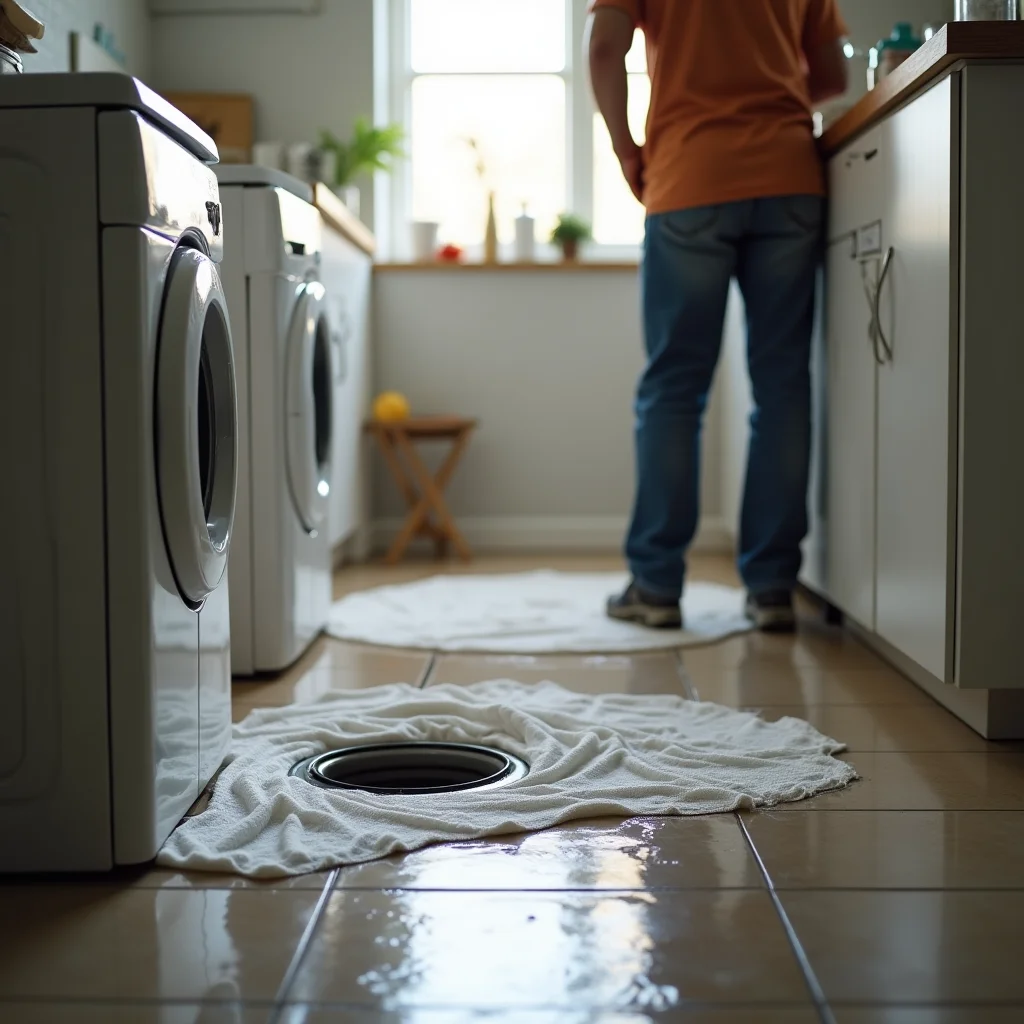
- Sewage backing up from a toilet, bath or floor drain into the property
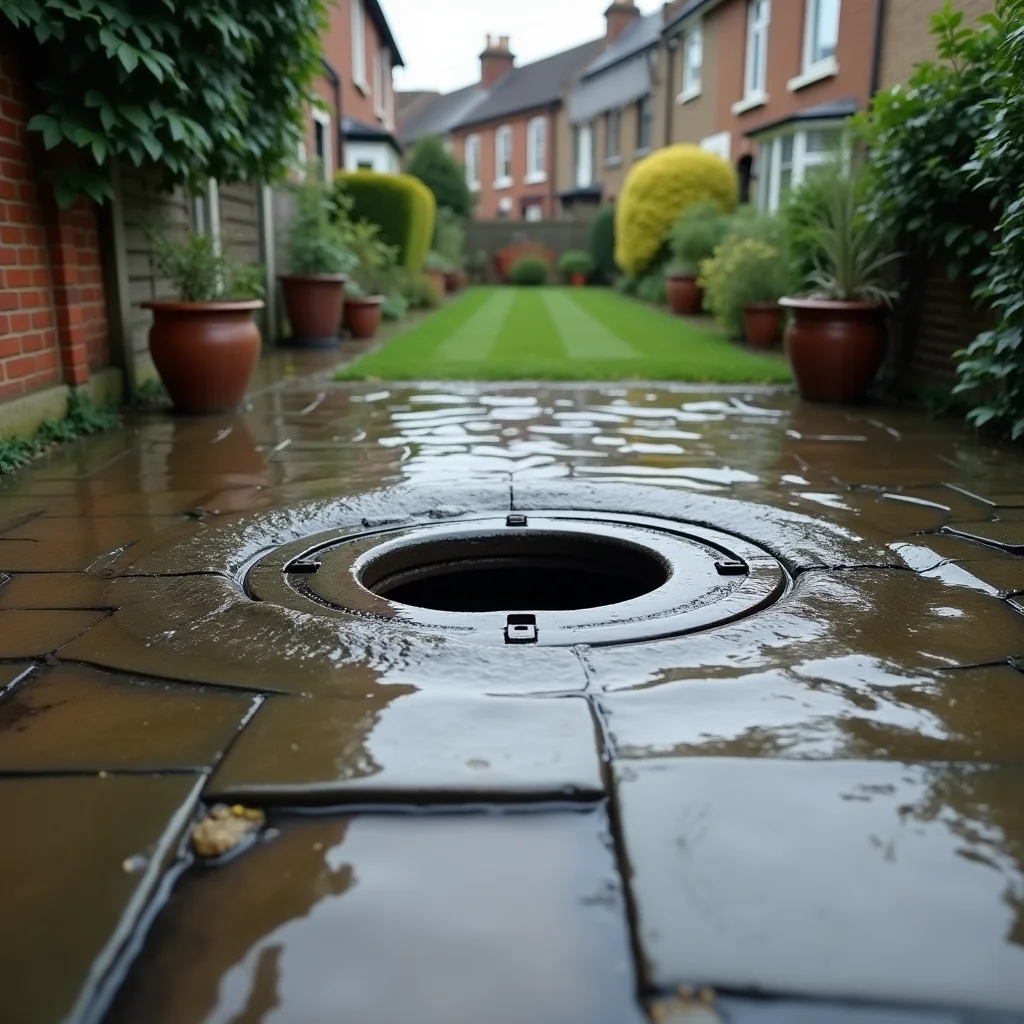
- An inspection chamber overflowing at the surface
- Several drains failing at once, such as the toilet and bath, or the kitchen sink and washing machine outlet
- Flooding from a drain onto or into a property
A single slow sink is not an emergency, because it can wait. Drainage that slows after heavy rain but soon clears is usually sewer surcharge, not a blockage in your private drain. It is unpleasant, yet it clears on its own.
If sewage is entering your property or flowing across the surface, act at once, because delay adds damage.
Step 1: Stop Using Water
Stop running water in the whole property the moment you suspect a serious blockage, since every litre adds to the backup. Every flush, washing machine cycle and running tap adds water to a system that cannot move it. If the soil stack or shared drain has a blockage, using water makes the backup worse.
Turn off any running appliances. Do not flush the toilet until the blockage clears, or until you hear that it is safe.
Step 2: Protect Your Property
If water or sewage is already entering the property, take these steps:
- Move electrical equipment, furniture and valuables away from floor-level drains and any area at risk of flooding.
- If your fuse board is at floor level and there is water present, do not touch it. Call an emergency electrician first.
- Place towels or sandbags at door thresholds if outside overflow is heading towards the property.
- Photograph the scene before you act, because you will need the record for insurance.
Do not try to clear a sewage backup with a plunger if the system is full. Extra pressure forces sewage out of the nearest opening. That may not be the one you are working on.
Step 3: Check the Inspection Chamber Outside
If it is safe, lift the inspection chamber cover closest to your property, because it shows where the blockage lies. It is usually in the back garden or the shared passage behind a terrace. Look inside.
If the chamber is empty or shows normal flow, the blockage lies between the chamber and the house, since water passes freely. That is your private drain, so it is your responsibility.
If the chamber is full to the top, the blockage lies downstream, because the water cannot get away. It may be further along your private drain towards the street, or in the shared drain or public sewer. This is useful information for the engineer, and it may point to Thames Water.
If the chamber is overflowing, you have a complete blockage with active overflow, so do not wait. Call for emergency drainage help at once.
Step 4: Call a Drainage Professional
Call an emergency drainage service. When you call, give them these details, because they speed up the visit:
- Your postcode
- Whether sewage is inside or outside the property
- Whether the inspection chamber is empty or full
- Whether the blockage affects one fixture or several
A reputable London firm will say how soon it can attend, although traffic can change the time. On arrival, it will assess whether the blockage is in your private drain or in the shared or public system.
Do not call Thames Water first for an internal backup, since your private drain is likely the cause. Thames Water manages public sewers, while your private drain is your responsibility. If the engineer's CCTV shows the fault is in the shared or public system, they will record it. They will also help you refer it to Thames Water.
What NOT to Do
Four things often make a drain emergency worse.
- Do not pour drain cleaner into a completely blocked drain. Chemical cleaners are made for partial blockages. In a fully blocked pipe, they sit in the standing water and do nothing, yet they create a chemical hazard for the engineer.
- Do not use a domestic pressure washer in an inspection chamber. Home pressure kit cannot clear a blocked drain, and it can push sewage back into the property.
- Do not accept the first van that arrives without checking credentials. Emergency drain calls attract rogue traders, because people are desperate. Ask for a clear price before any work begins.
- Do not ignore a slow-building problem over a weekend. A drain that backs up a little on Friday afternoon is often a full emergency by Monday. Weekend emergency rates are also higher than weekday call-outs.
After the Emergency
Once the blockage clears, do not treat the matter as closed until you know why it happened, since it will probably return. A blockage serious enough to cause sewage backup has almost always revealed a structural fault. It may be a displaced joint, a root intrusion or a collapsed section, and it will return.
Ask the engineer whether you need a CCTV drain survey. If the backup reached floor level, the answer is almost always yes. A survey gives you a full video record and a written report. These support insurance claims, and they document the condition of the drain.
For emergency drain work across Greater London, request a quote online via our contact form, while you wait for advice. Our emergency drain service page explains what to expect on arrival.
Frequently Asked Questions
Can I request help with a drain emergency?
Yes, although response times depend on traffic. Ask for an estimated arrival time when you get in touch.
Is emergency drain work more expensive?
Out-of-hours and weekend work usually costs more than standard hours, because crews work unsocial hours. Request a quote online, and we will explain the price before any work starts. For sewage backing into the property, prompt help is almost always cheaper than the damage to floors, walls and belongings.
Does insurance cover drain emergencies?
Buildings insurance often covers internal flooding from drain failure, although cover varies a lot between policies. Photograph everything before any work begins, and keep all receipts and engineer reports. Some policies ask you to call them before you approve repair work.
What if Thames Water is responsible?
If a CCTV survey shows the blockage is in a shared or public sewer, we will give you the papers to report it to Thames Water. They have an emergency line for flooding from public sewers.
Because every property is different, start with our guides to emergency drain services and sewage emergency advice. We also cover emergency drain services in Edgware and emergency drain services in Enfield, so you can see how the work runs near you.