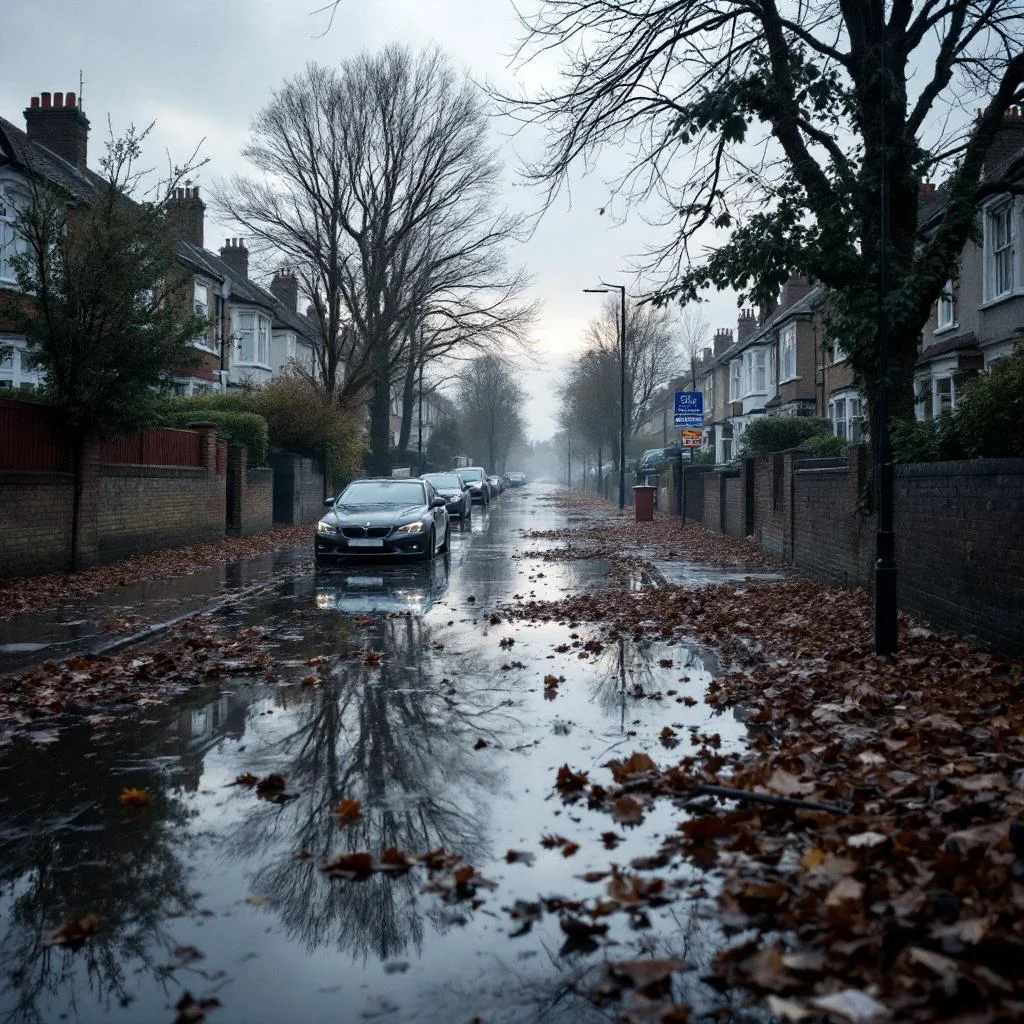
Croydon has experienced some of South London's worst residential flooding in recent years, and the 2025–26 weather cycle has continued that pattern. The borough sits in a topographically challenging position — a mix of ridge-and-valley terrain, significant areas of surface water flood risk, and Victorian combined sewers that were never designed for the rainfall intensities now arriving with increasing regularity. This post covers which areas have been most affected, why Croydon's drainage struggles in heavy rain, and what steps homeowners have taken to protect their properties.
Why Croydon Floods More Than Neighbouring Boroughs
Croydon's flooding problem has several converging causes:
The Wandle and its tributaries. The River Wandle and its tributaries run through Croydon before flowing north through Merton and Wandsworth to the Thames. In heavy rain, the Wandle rises rapidly — it has a steep catchment that drains quickly — and the streets in its flood plain experience overland flow even when drains are clear.
Surface water flood risk areas. The Environment Agency's flood risk maps show significant surface water flooding risk across large parts of Croydon — particularly in South Croydon, Addiscombe, Shirley, and parts of Thornton Heath. Surface water flooding occurs when rainfall overwhelms drainage capacity and water runs across the surface rather than entering sewers.
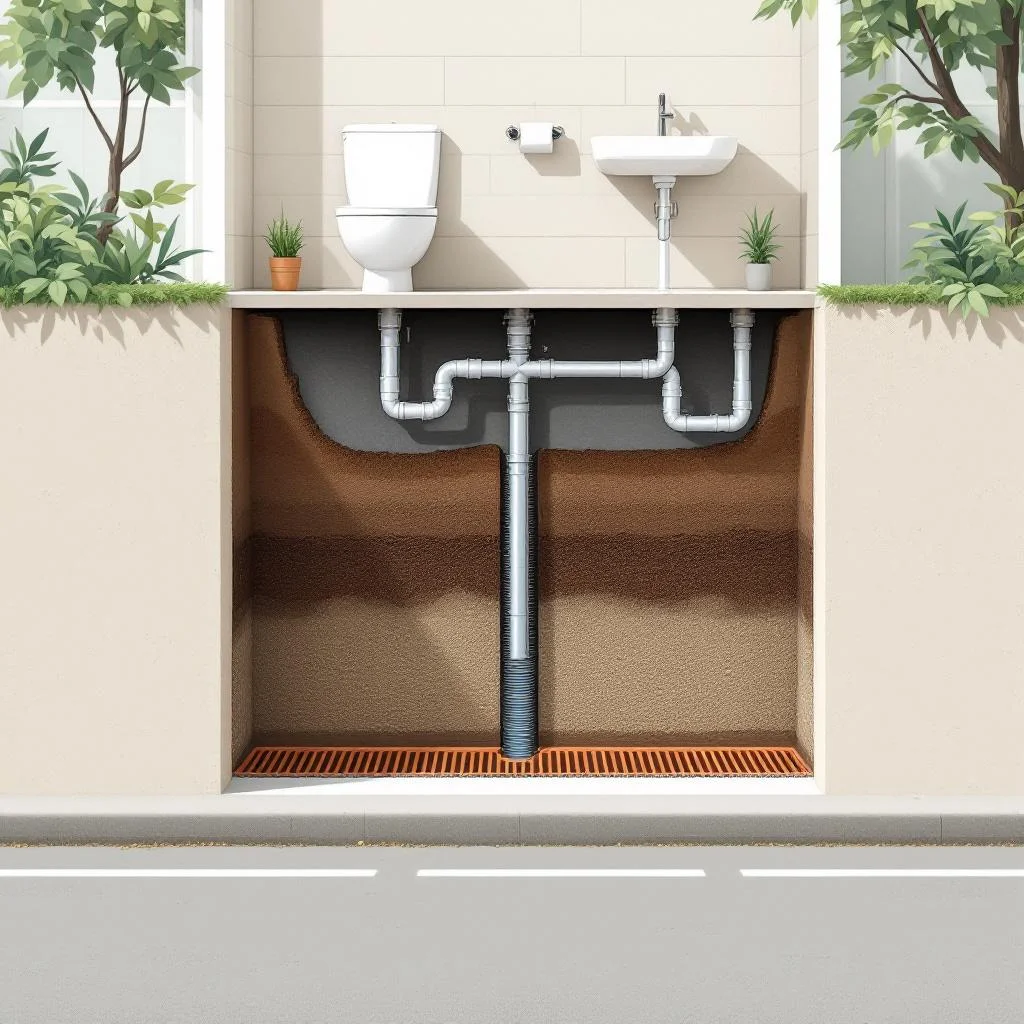
The combined sewer problem. Like most of inner and inner-south London, Croydon's sewers are predominantly combined — foul and surface water in the same pipe. In heavy rain, the system saturates and CSOs activate, backing flow into streets and occasionally into properties at lower points in the network.
Clay soil and high impermeability. South London sits largely on London Clay, which has extremely low permeability. As Croydon has been urbanised, garden surfaces have been paved over for car parking and extensions, further reducing the land's ability to absorb rainfall. The result is more water entering drains faster.
Areas Most Affected in 2025–26
We've attended callouts across Croydon during the worst rainfall events of the 2025–26 period. The areas generating the highest volume of emergency callouts have been:
Addiscombe and East Croydon. The Chaffinch Brook catchment runs beneath Addiscombe, and surface water flooding here is a recurring pattern. Several streets near the Chaffinch Brook route have experienced internal flooding from basement-level drains.
South Croydon and Sanderstead. Higher ground that slopes toward the Caterham Bourne catchment. Properties at the foot of slopes receive concentrated overland flow in heavy rain. Culverted watercourses in this area are at capacity in significant events.
Thornton Heath. One of the oldest drainage networks in the borough. Victorian combined sewers here are at or beyond designed capacity in significant rainfall. Gully blockages — which worsen the surface water position — are a recurring complaint from residents.
Shirley and West Wickham boundary. Surface water from the greenbelt areas east of Croydon routes toward lower-lying residential streets in Shirley. Properties in the lowest points of these streets have experienced repeated flooding.
What Thames Water Is Responsible For (and What It's Not)
A consistent point of confusion after flooding events is the boundary between Thames Water's responsibility and Croydon Council's responsibility:
Thames Water is responsible for public sewers. When a public sewer surcharges and causes water to enter your property, Thames Water has potential liability. Report public sewer surcharge flooding to Thames Water on 0800 316 9800 — they log the event, which is important for any future claims.
Croydon Council is responsible for highway drainage — gullies in the road and pavement, and watercourses that are not main rivers. If gullies are blocked, report to Croydon Council. If a watercourse is causing flooding, the Flood Risk team at Croydon Council is the point of contact.
Homeowners are responsible for their private drains and any drainage within their property boundary. If your private drain is blocked and this has contributed to flooding, that's your repair to commission.
The Environment Agency is responsible for main rivers — including the River Wandle, which is a main river for most of its Croydon length.
What Homeowners Have Done to Protect Their Properties
In the aftermath of flooding events, Croydon homeowners we've worked with have taken several practical steps:
Private drain inspection and clearance. Ensuring private drains are clear of roots, grease, and debris reduces the risk of backup during high-flow events. A pre-winter CCTV survey identifies blockages and defects before the wet season.
Non-return valves. A non-return (or anti-flood) valve installed in the drain below the lowest floor level prevents sewer water from backing up into the property during sewer surcharge events. This is one of the most cost-effective flood protection measures available to homeowners in flood-risk areas.
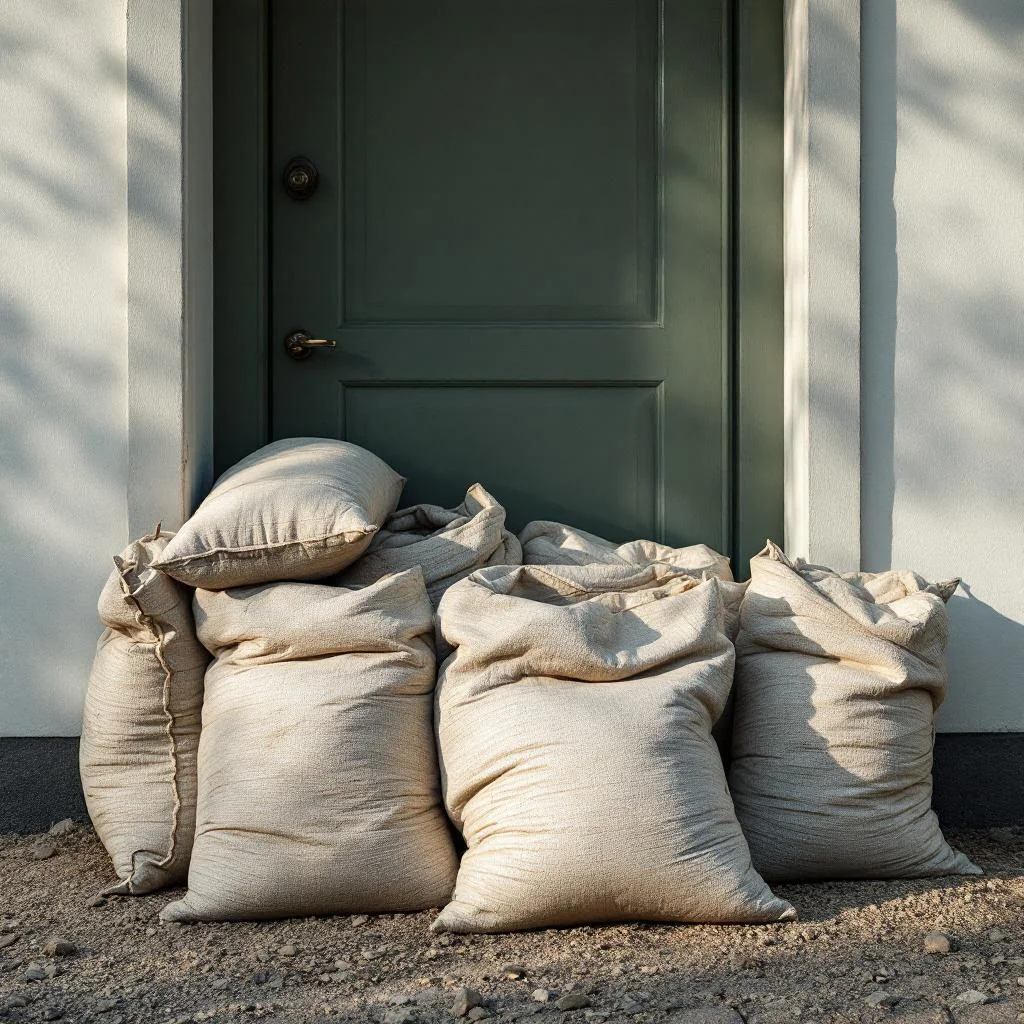
Flood barriers and door guards. Several homeowners on the worst-affected streets have installed demountable flood barriers or permanent threshold barriers at ground-level doorways. These are particularly effective for properties where overland flow is the primary flood mechanism rather than sewer backup.
Permeable paving. Some homeowners have replaced impermeable driveways with permeable alternatives — block paving with permeable joints, or gravel — which allow rainfall to infiltrate rather than running directly into drains. This is most beneficial as an area-wide measure but has local benefit for individual properties with large impermeable frontages.
Sump pumps and basement tanking. For properties with basements or semi-basements in the worst-affected Croydon streets — particularly the lower-lying parts of Addiscombe and Thornton Heath — passive defences alone are rarely enough. A sump pump fitted into a sealed sump chamber, paired with battery backup so it continues running during a power cut, removes water that does enter the property faster than it can accumulate. Tanking — applying a waterproof membrane to basement walls and floors — is the longer-term structural answer where groundwater pressure is a recurring problem, but it is a significant capital investment, and costs vary widely for a Croydon basement flat depending on size and complexity.
Property Flood Resilience grants. Following the worst 2025-26 flooding events, several Croydon residents successfully applied for the Property Flood Resilience grant administered through the Environment Agency and Croydon Council. The grant — typically £5,000 per property — funds resilience measures such as non-return valves, flood doors, and air brick covers. Eligibility depends on the property having flooded in a defined event and on the proposed measures meeting the technical specification. Application deadlines and event qualifying criteria are published on the council's flood risk page after each significant event.

Emergency Drain Support in Croydon
During and immediately after a flooding event, drainage contractors face high demand. Having an established relationship with a local contractor — and knowing their emergency number in advance — reduces response time significantly.
Our Croydon emergency drain service operates 24 hours a day. If your drain has backed up or you're experiencing sewage in the property, request a quote online via our contact form. For post-flood diagnostics, you can also book a CCTV drain survey in Croydon to confirm whether the line has suffered root ingress, displacement, or collapse. For post-flood drain surveys and non-return valve installation, we can typically attend within 48 hours for non-emergency assessments.
FAQ
Does home insurance cover flood damage in Croydon?
Standard buildings and contents insurance often covers flood damage, but flood coverage varies significantly between policies. Check whether your policy specifically excludes surface water or sewer flooding. Properties in high flood-risk areas (EA Flood Zone 2 or 3, or with significant surface water risk) may need Flood Re insurance, a UK government-backed scheme that makes flood insurance accessible for high-risk properties.
Can I claim against Thames Water if their sewer surcharges into my property?
You can claim against Thames Water if a public sewer surcharge directly caused property flooding. Keep all receipts, document the damage, and report the event to Thames Water promptly. Thames Water has a claims process for flood damage caused by public sewer failure.
Is it worth getting a non-return valve fitted?
For properties in areas of known surface water or sewer flood risk, a non-return valve is a cost-effective protection measure — request a quote for supply and installation. It does not prevent surface water flooding from overland flow, but it prevents sewage backup through the drain.
How do I report a blocked gully on my street in Croydon?
Blocked highway gullies are reported to Croydon Council via their online reporting tool or by calling the Council's street works team. During or immediately after flooding, also report to Thames Water if sewer surcharge is involved.
How quickly can you attend in Croydon during a flood emergency?
During severe weather events, response times may be extended due to demand across London. Outside of peak demand, we prioritise a fast response in Croydon, with urgent jobs given priority. Request a quote online via our contact form.