
Maintaining your drains before and through a London winter significantly reduces the likelihood of a blocked drain callout between November and February — the busiest period for emergency drainage in the capital. Where prevention focuses on what not to do, this guide covers active maintenance: the practical steps London homeowners can take to inspect, clear, and protect their drainage through the cold months.
Check Every External Drain Gully Before the First Heavy Rain
External drain gullies are the ground-level drainage points in your garden, driveway, or patio. They accept surface rainwater and channel it to either the surface water sewer or the combined sewer. In autumn, they are the fastest-filling and most neglected drains on most London properties.
Do this in October or early November, before the main leaf fall:
- Lift or remove the gully grate. Most are simply resting on the frame with no fixings.
- Remove visible debris — leaves, soil, and organic material — by hand or with a small brush.
- If the gully pot contains accumulated silt, scoop it out and dispose of it with garden waste.
- Replace the grate and test with a bucket of water — it should drain away quickly.
If the gully contains thick, compacted debris or appears to be draining slowly even when cleared, it may need professional rodding. A professional gully clearance takes 20–30 minutes and is priced as a fixed quote before we start.
Run a Flow Test on Every Internal Drain Monthly
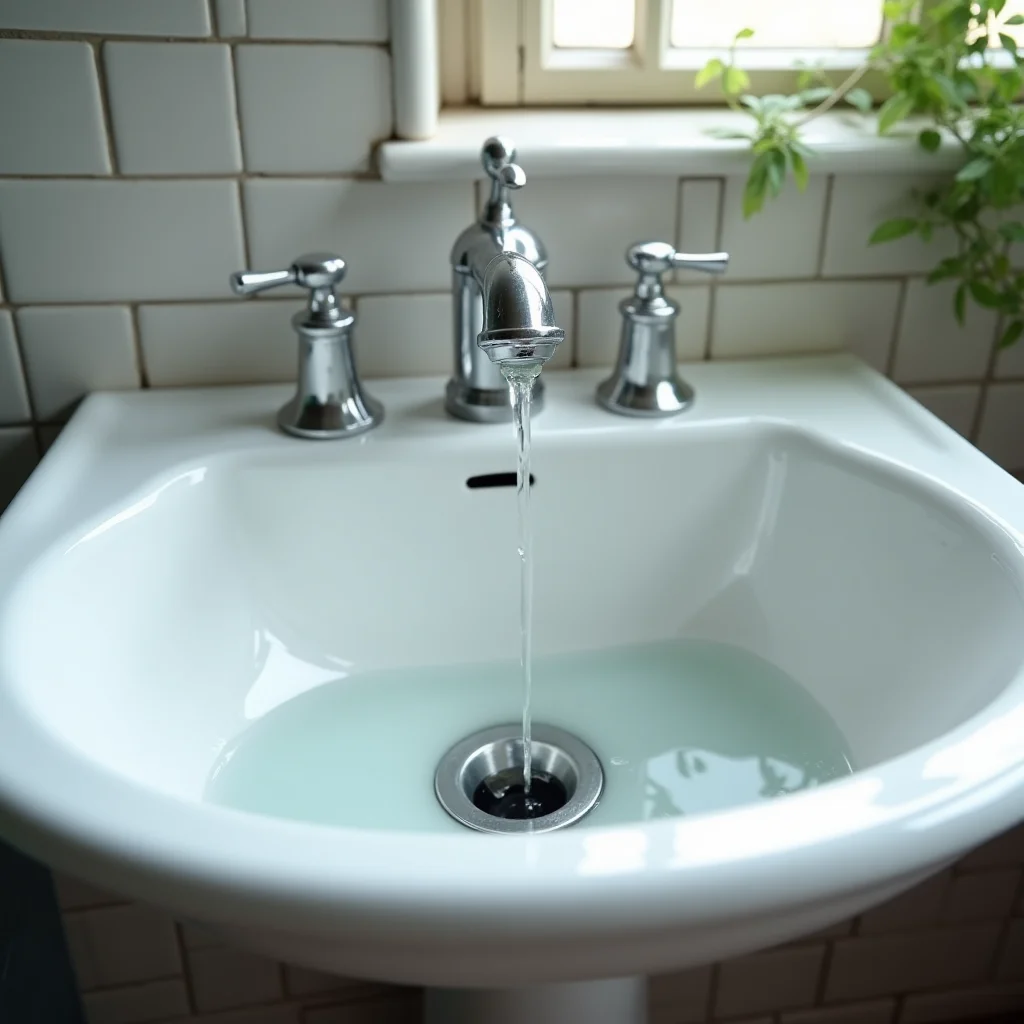
The simplest active maintenance check is a flow test. Once a month through winter, fill each sink and bath in the property to the overflow, then unplug and observe how quickly the water drains.
A healthy drain should clear a full sink within 60–90 seconds. If it takes longer, or if water stands for more than two minutes, the drain is developing a partial blockage that will worsen through winter. Do the same for the shower — fill a bucket and pour it all at once while watching how quickly the tray empties.
Note which drains are slow and whether the problem is consistent across multiple fixtures — suggesting a shared drain issue — or isolated to one room, suggesting a local blockage in that fixture's branch.
Inspect the Inspection Chamber Monthly
Your inspection chamber — the underground access point to your drain system, typically covered by a cast iron or plastic square cover in the garden or shared passageway — is the most useful diagnostic point for drain health. Lifting the cover takes five seconds and gives you direct visibility of the drain condition.
What you are looking for:
- Chamber is clear with water only in the channel at the bottom: healthy, drain flowing normally
- Water standing higher than the channel but below the chamber rim: partial blockage downstream, requires monitoring or professional clearance
- Chamber full or overflowing: serious blockage requiring immediate professional attention
Checking the chamber monthly through winter means you will catch a developing blockage before it becomes a sewage overflow.
Clear Downpipe Connections After Storms
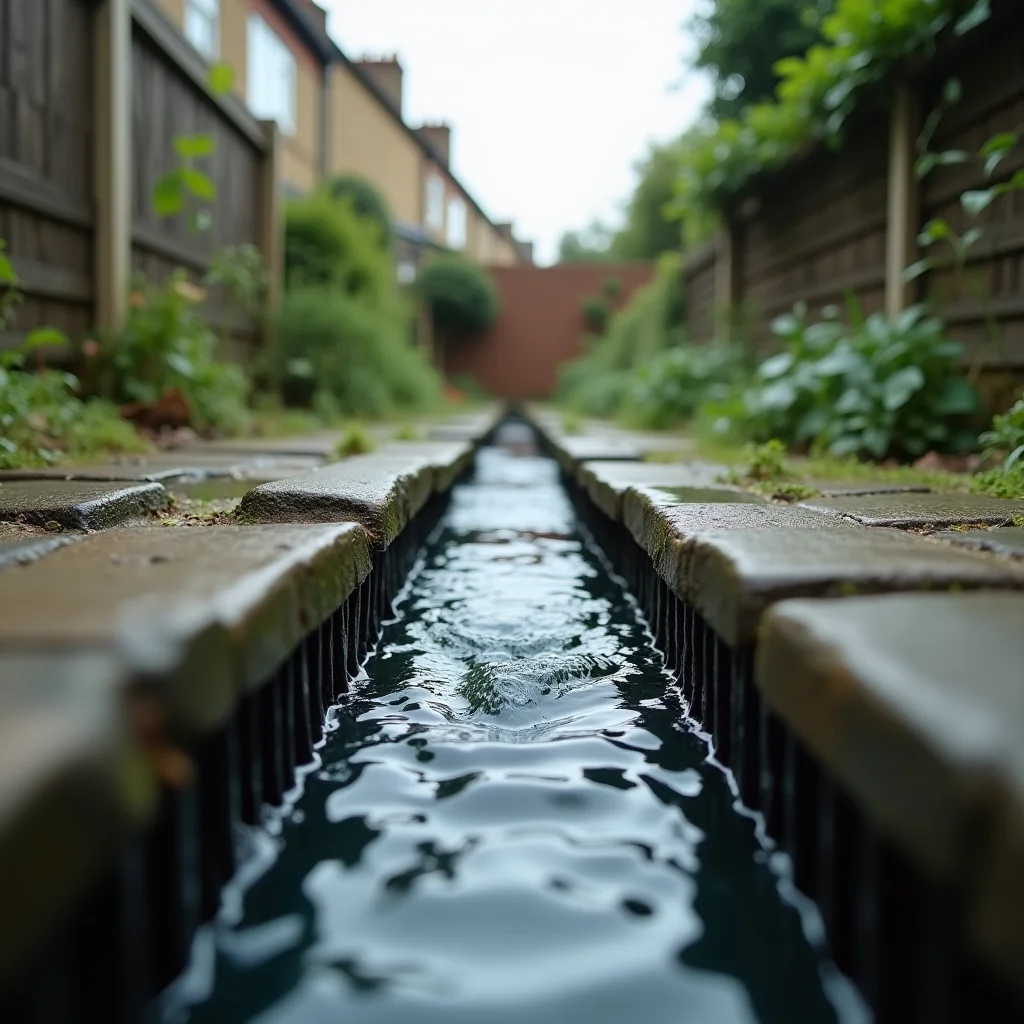
In London properties, most downpipes from gutters connect directly to below-ground drains rather than discharging onto the surface. When gutters are blocked with leaves and debris, the backed-up water overflows at the gutter level rather than entering the downpipe — but partially blocked gutters can also allow leaf debris to pass into the downpipe and from there into the underground drain.
- After each significant autumn storm, check:
- That your gutter is flowing freely and not overflowing at any point
- That the downpipe is not gurgling or backing up
- That the gully at the base of the downpipe is clear of debris
Run Hot Water Through Kitchen Drains Weekly
Kitchen drain maintenance in winter is primarily about preventing fat from solidifying on the pipe walls. A weekly routine of running very hot — not boiling — water down the kitchen drain for two to three minutes helps dissolve and flush partial fat deposits before they consolidate.
This does not replace the rule of not pouring fat down the drain — it supplements it. If fat is regularly poured down the drain, weekly hot water flushing will not prevent eventual blockage.
A mixture of hot water and a small amount of washing-up liquid every two weeks provides a mild degreasing action on the pipe walls. This is effective for maintaining a pipe that is already reasonably clean.
Book a Pre-Christmas Jetting Appointment if You Have Had Problems
If your London property has experienced a kitchen or bathroom drain blockage in the previous 12 months, a pre-Christmas professional drain jetting appointment is strongly advisable. Christmas and the two weeks following are the highest-demand period for emergency drain callouts in London, and wait times for non-emergency slots extend significantly.
A standard professional jetting visit takes 30–60 minutes for a residential drain run and is priced as a fixed quote before we start. It removes the accumulated fat and debris of the year from the pipe walls, restoring full bore capacity before the heavy usage of the Christmas period.
For London properties with Victorian clay drainage that has not had a CCTV survey in the past five years, a combined jetting and survey visit is the most thorough preparation. The survey identifies any structural issues that winter ground movement may be exacerbating.
Know Where Your Stopcock and Inspection Chamber Are
Basic emergency preparedness for any London homeowner includes knowing where the main water stopcock is and where the nearest inspection chamber is. In a drain emergency, being able to tell the engineer immediately that the chamber is full or empty cuts assessment time significantly.
Write down the locations and make sure any other adults in the property know them.
For seasonal drain maintenance, pre-winter jetting, or emergency callouts across all Greater London boroughs, request a quote online via our contact form. Our drain unblocking service and blocked drains service cover all 32 London boroughs. See our locations page for full coverage.
Frequently Asked Questions
How often should I have my drains professionally maintained?
For Victorian London properties with a history of blockages, annual professional jetting — ideally in October before winter — is the most cost-effective maintenance interval. For properties with no recent blockage history and modern plastic pipework, every two to three years is typically sufficient.
Can I use drain unblocking chemicals for winter maintenance?
Chemical drain cleaners are damaging to Victorian clay pipes over repeated use and should not be used for routine maintenance. They are also ineffective against fat deposits. Enzyme-based drain treatments are a safer alternative but are significantly less effective than professional jetting for established blockages.
Is it worth getting a CCTV survey if my drain is working normally?
For a Victorian London property that has not had a survey in more than five years, yes — particularly if you are planning any building work, selling the property, or have noticed minor symptoms such as occasional slow drainage. Request a fast, fixed-price quote for a survey — it gives you a complete picture of the underground drain condition.
What is the cheapest way to maintain London drains?
The cheapest approach is the weekly hot-water flush, monthly inspection chamber check, and annual gully clearance — all of which can be done without professional help. The next step up is a professional jetting visit every 1–2 years for older properties. Both are significantly cheaper than an emergency callout.