London drains block more often in winter than at any other time. Cold weather sets cooking fat that flows freely in summer, while falling leaves clog outside gullies. The clay soil round Victorian drains shrinks and opens gaps that debris catches on. Most winter blockages are preventable, and prevention costs far less than a winter emergency call-out. This guide focuses on what not to do, because a few bad habits cause most winter drain failures.
Why Winter Is the Wrong Season to Ignore Your Drains
From November to February, three seasonal factors combine to make blockages more likely in London homes.
Fat solidification. Cooking fat that flows as a warm liquid in August cools quickly in winter, because the pipes are cold. It sticks to the pipe walls instead of passing through. If you pour fat down the kitchen drain, it sets much faster in the cold. A pipe that coped in October will often block in December.
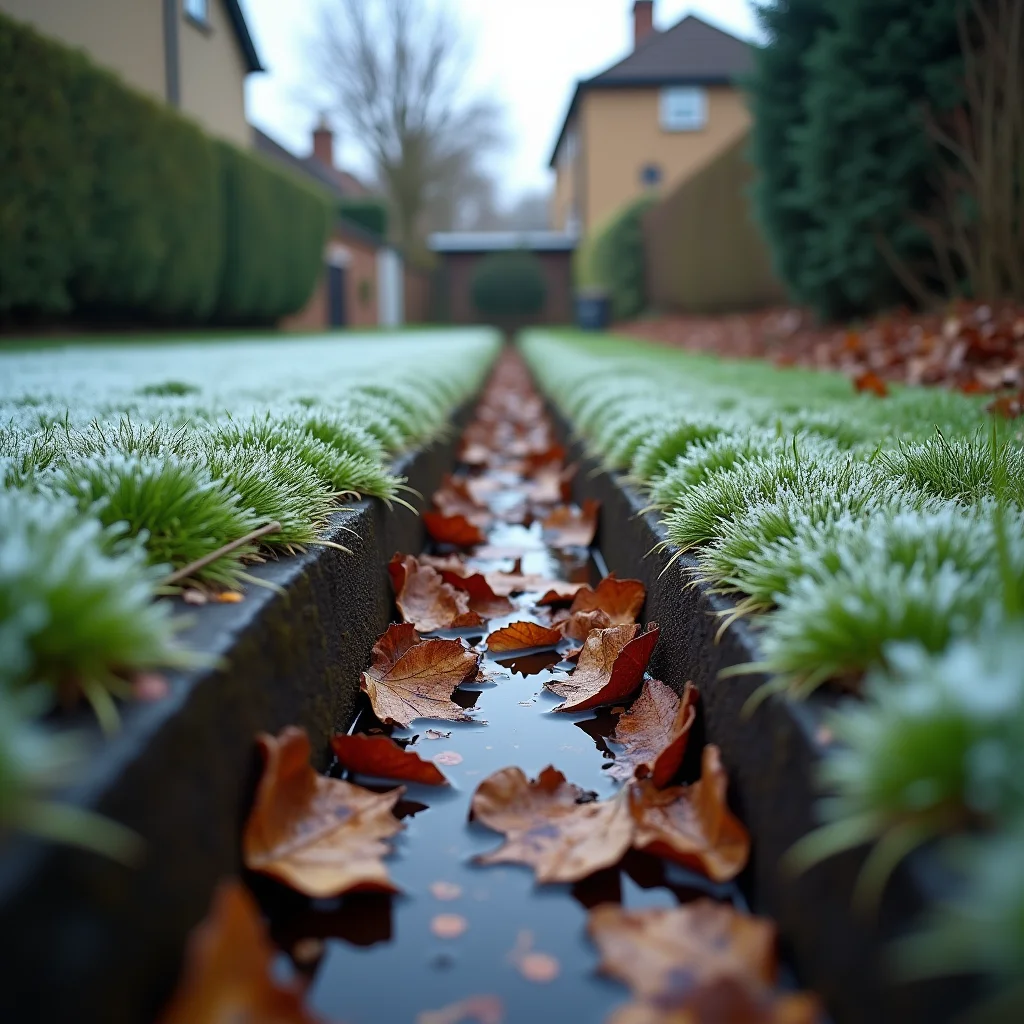
Leaf fall and outside drain debris. Autumn leaves produce huge amounts of organic material, so gullies fill fast. Leaves pack into outside gullies and surface water drains, so rainwater cannot get in. When heavy rain falls on blocked gullies, the water has nowhere to go and floods the surface.
London Clay contraction. In a dry autumn and early winter, London Clay dries and shrinks, because it loses water. This movement reopens joints in Victorian clay pipes that wet summer swelling had partly sealed. Debris that passed through before now catches at the new gaps.
What NOT to Pour Down the Kitchen Drain
The most useful prevention step is never to pour cooking fat down the kitchen drain, because it causes most blockages. This applies all year, but it matters most in winter.
Each time you pour fat away, some of it sets on the pipe wall. In summer, warm water and hot dishwasher cycles melt the deposit and flush it through. In winter, the water in kitchen drains is colder and the pipe is cooler. Fat therefore sets faster and moves less.
- Never pour these down the kitchen drain:
- Cooking oil or frying fat, such as chip fat, roasting fat or butter
- Meat drippings
- Sauces with a high fat content
- Any liquid that is solid at room temperature
The right way to dispose of fat is simple, since it needs no tools. Let it set in the pan and scrape it into a container. Then put it in the household waste bin.

What NOT to Flush in Winter (or Any Season)
Wet wipes are a leading cause of London drain blockages. Winter makes them worse, because cold slows the breakdown of any organic material in the pipe. Wipes do not break down in water, even those labelled "flushable". They combine with set fat to form a blockage that needs professional jetting.
- Never flush these items:
- Wet wipes of any type, including "flushable" ones
- Cotton wool and cotton buds
- Sanitary products
- Paper towels and kitchen roll
- Dental floss
These items belong in the bin, not the toilet, because they do not break down. In a 100mm Victorian clay drain, a single wipe caught on a displaced joint can start a blockage. Over winter, it grows fast.
What NOT to Ignore in Outside Drains
Outside gullies are the ground-level drains in your garden or drive, yet they get little attention. They are the most neglected part of home drainage. Autumn and winter are when that neglect causes problems.
A gully blocked with leaves cannot take surface water, so rain has nowhere to go. In heavy winter rain, the water spills over the gully and flows across the patio or drive. It may then enter the home through gaps at the door or low points. A simple blocked gully causes this kind of flooding, not a drain fault.
- Do not ignore these warning signs:
- A gully with leaves or debris on the grate
- A gully where water ponds during rain instead of draining away
- Any surface water drain that overflows instead of taking flow
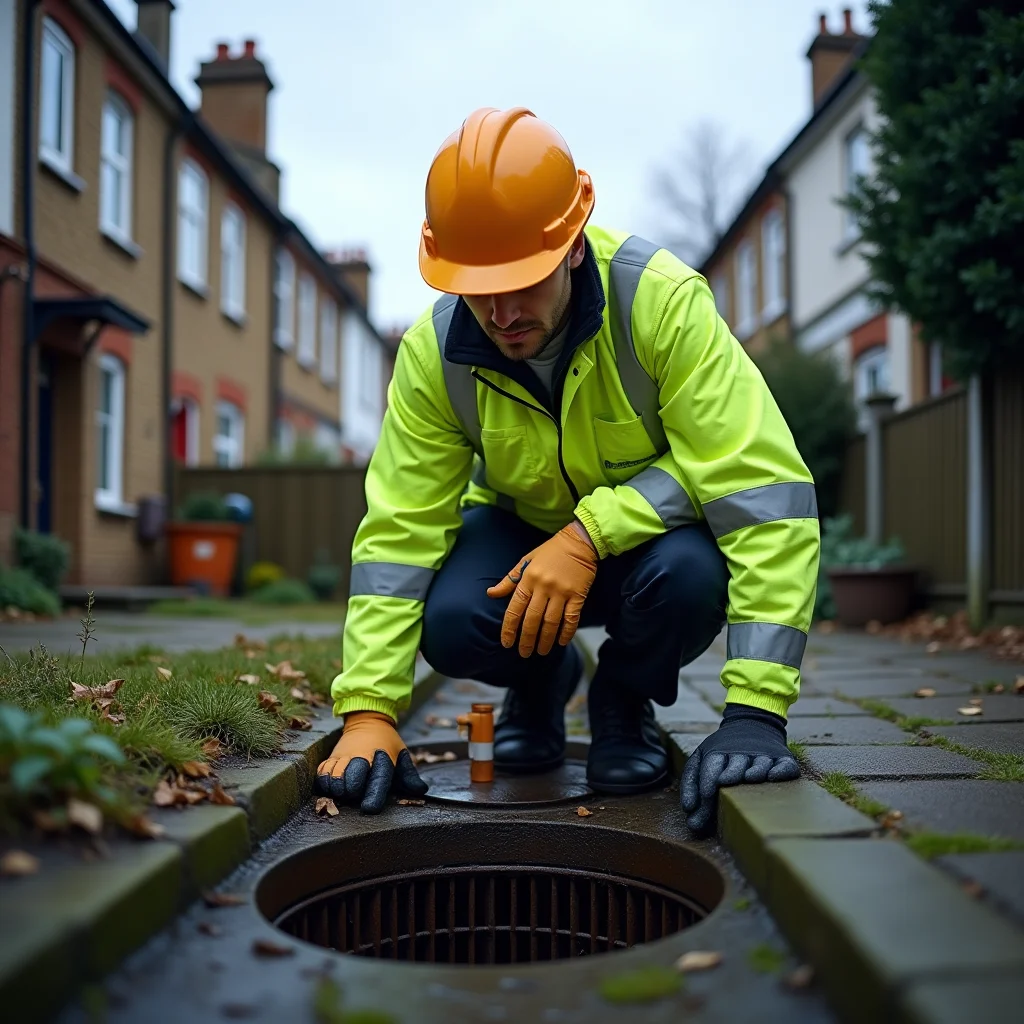
Clearing a gully takes a few minutes with gloved hands and a brush, whereas a flood takes far longer to fix. If you leave it blocked through a wet winter, surface flooding is likely.
What NOT to Ignore if Drainage Slows
A common winter pattern starts in October or November. A slow drain appears, and the owner dismisses it as normal. By December it is a complete blockage. Do not assume a slow drain will clear itself, because cold weather slows the natural flushing that warm weather would give.
If a kitchen or bathroom drain runs slowly, book a jetting visit before the Christmas period. Emergency call-outs around Christmas can cost more, since crews work unsocial hours. Waiting times for routine slots can also be longer than usual.
For pre-winter jetting, outside gully clearing or winter emergency response across Greater London, request a quote online via our contact form, because early action is cheaper. Our blocked drains service covers the capital. For cost information, see our drain unblocking cost guide.
Frequently Asked Questions
How often should I clean my kitchen drain in winter?
Flush it weekly with very hot water that is not boiling. This helps dissolve fat deposits. It is no substitute for keeping fat out of the drain, yet it slows the build-up on the pipe walls.
Can frozen pipes cause drain blockages?
A completely frozen drain pipe is a serious problem and needs professional help. However, drain pipes buried at normal depth in London rarely get cold enough to freeze. That would take a structural failure that exposes them to air. Freezing is uncommon in London drains, whereas fat setting is far more common.
Should I get my drains professionally cleared before winter?
If you live in a Victorian London home with a history of kitchen drain blockages, a pre-winter professional jet is a sound investment, since it clears fat before the cold arrives. Book it in October or early November. It removes the fat that summer cooking left behind, before the cold sets it in place.
Are blocked external gullies covered by home insurance?
Most buildings policies do not cover blockage clearance as routine maintenance. However, if a blocked gully leads to surface water that enters the home and causes damage, the damage claim may be covered. Check your policy wording, and keep evidence of regular upkeep.
Because every property is different, start with our guides to blocked drains and drain excavation advice. We also cover blocked drains in Sidcup and blocked drains in Southwark, so you can see how the work runs near you.
Guides worth reading next
- 5 Warning Signs Your London Drain Is About to Block
- Winter Drain Maintenance Tips for London Homeowners
- 7 Ways to Prevent Blocked Drains in Your London Home
- Why One Blocked Drain Can Affect a Whole House: Shared Drainage in Fulham and Battersea Conversions
- Why London Drains Block So Often: The Victorian Infrastructure Problem