Most drain emergencies do not happen without warning. The signs appear days or weeks ahead, yet it is easy to dismiss them as minor nuisances until the drain stops working. Spot these five warning signs early and you can deal with a developing blockage for far less cost and fuss.
London drains tend to give advance warning, because Victorian clay pipes have an uneven bore and rough walls. These slow a blockage down compared with modern smooth plastic pipe.
Sign 1: Slow-Draining Water
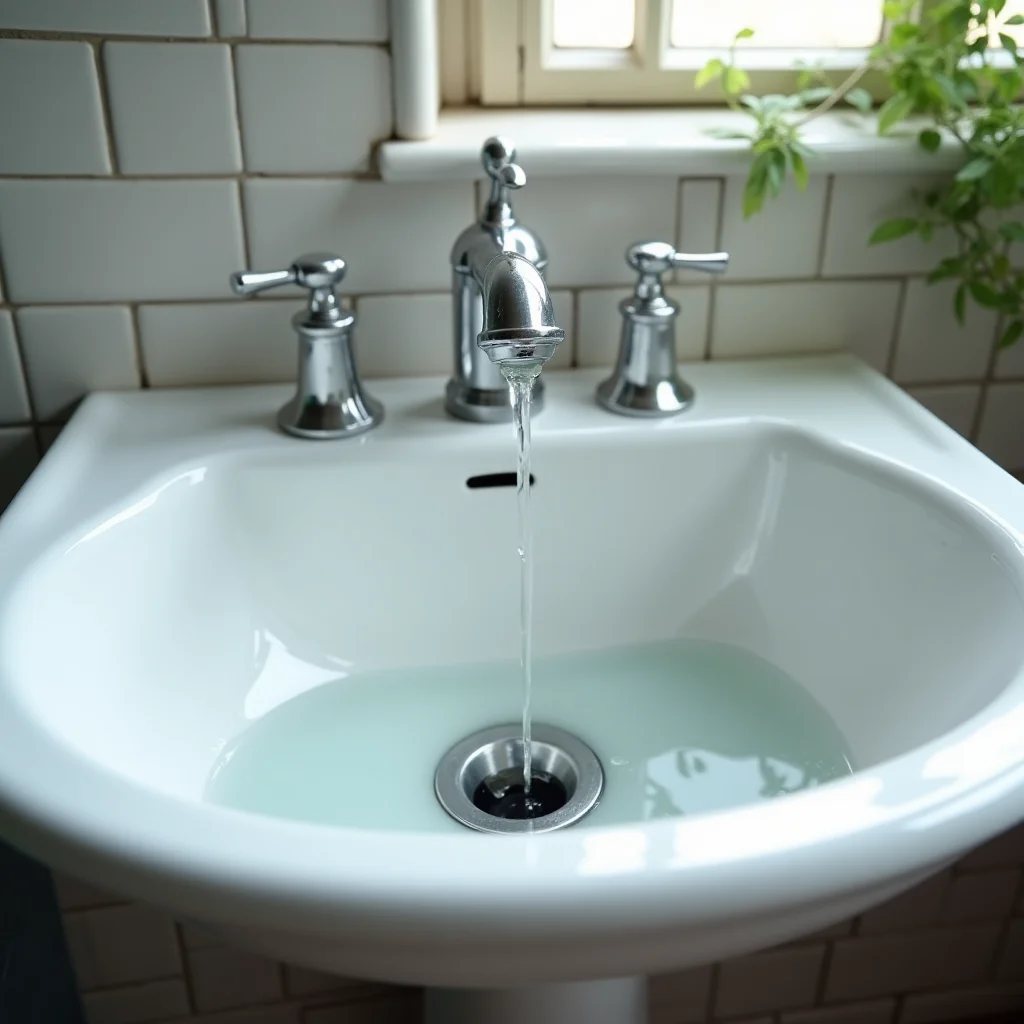
The most common early warning is water that drains more slowly than it used to, because the pipe is narrowing. In the kitchen, water stands in the sink after you wash up. In the bathroom, it pools round your feet in the shower. The drain is not fully blocked in either case, but the pipe bore is shrinking.
Slow drainage in one fixture, such as one sink or bath, usually means a local blockage close to it. Hair and soap are typical in a bathroom, while grease is typical in a kitchen. Slow drainage in several fixtures at once points to a blockage further down the shared run, or in the soil stack.
Do not wait for a slow drain to stop completely, since the fix only gets harder. Jetting a partly blocked pipe is quick and simple. Clearing an overnight blockage with sewage backing up takes much longer and costs far more.
Sign 2: Gurgling Sounds from Drains or Toilets
Gurgling sounds like water being sucked through a straw, because air is being pulled through the water seal. It is a reliable sign that air is trapped in the drain system. In a free-flowing drain, water and waste move without pushing air around.
When a partial blockage exists, the flow slows while air pockets get trapped. Pressure then changes, and that causes the gurgling.

A gurgling toilet that you have not just flushed is particularly significant, because it points beyond the toilet itself. This is sympathetic gurgling. It happens when a drain elsewhere moves so slowly that it affects the air pressure in the whole stack. It is often the first sign of a blockage in the main soil stack or the shared drain outside.
Suppose your toilet gurgles when you run the bath. Or the kitchen sink gurgles when you flush the toilet. Treat this as urgent, especially in a London home with Victorian clay pipes, since the shared drain is the likely source.
Sign 3: Unpleasant Odours from Drains
Drain odours have one of two causes, although both are easy to spot. The first is a dry trap. The second is decaying waste in a partial blockage.
Dry traps are simple, because the water seal in a little-used fixture evaporates and lets sewer gas through. Run the tap for a short time to refill it.
If the smell persists with the trap wet, or if it is strong and comes from several drains, the cause is almost certainly a partial blockage, since a dry trap is ruled out. In London homes, kitchen drain smells usually come from fat and food debris on the pipe walls. Bathroom drain smells are usually hair and soap.
A persistent sewer gas smell is different, because it is strong and sulphurous. It is a strong sulphurous smell, not a food-based one. It can point to a cracked pipe under the floor or in the garden that lets gas escape. This needs a CCTV drain survey for an accurate diagnosis.
Sign 4: Water Backing Up in Other Fixtures
Suppose you flush the toilet and water rises in the bath, since both share the same drain. Or you run the washing machine and water backs up into the kitchen sink. The blockage then sits in the shared drain downstream of where both fixtures connect. The drain is badly restricted at this point.
This symptom often appears before a complete stoppage, so it gives you a short window to act. It is the clearest sign that the problem lies in the main drain, not at one fixture. The shared run will block completely if nobody steps in. How long that takes depends on how much water you use.
Sign 5: Rising Water in the Outdoor Inspection Chamber
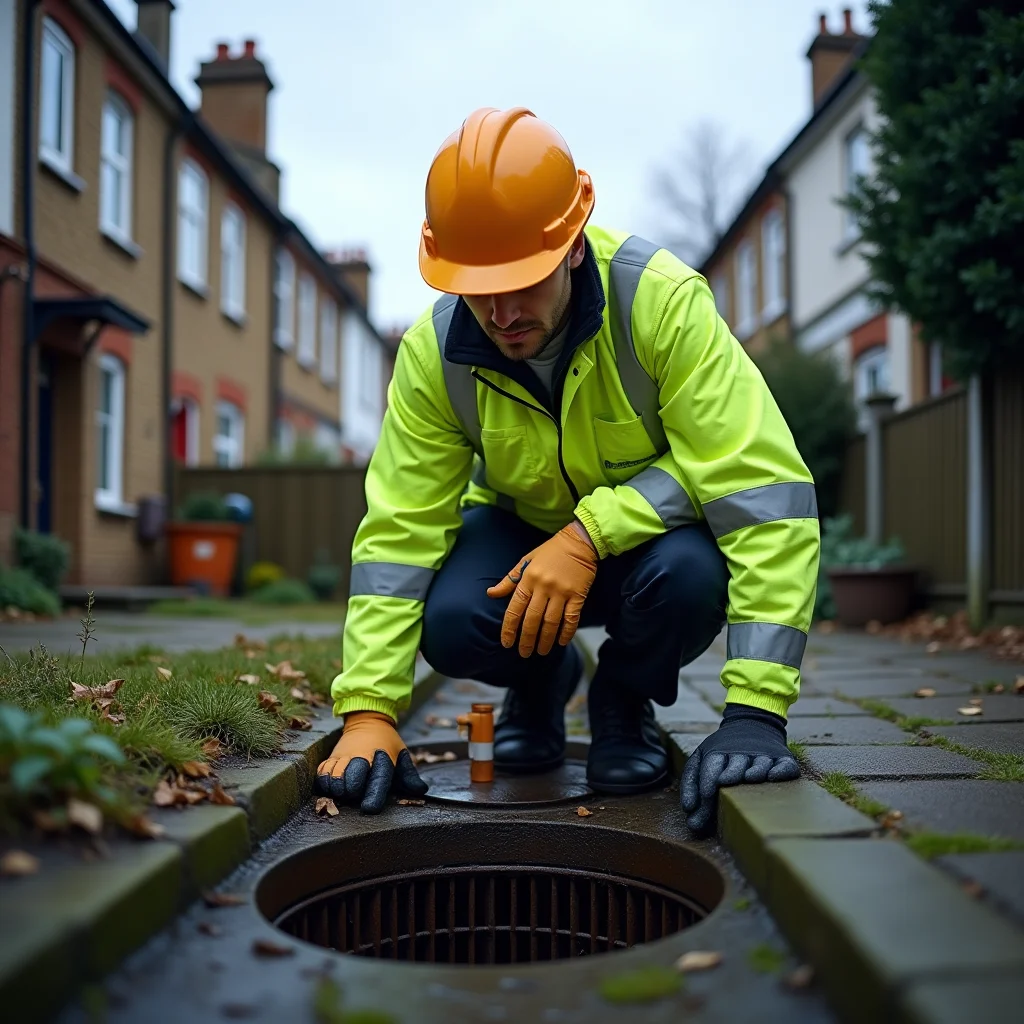
Do you know where your inspection chamber cover is, because it is the quickest check you can make? It is usually a square metal or plastic cover in your garden or a shared passage. Lift it and look.
In a healthy drain, the chamber is clear, with water only in the channel at the base. If the chamber is half full or shows signs of recent overflow, the drain is blocked downstream of it.
This is the sign that needs the most urgent attention, since it shows sewage cannot get away. A backed-up chamber means sewage cannot reach the sewer. The next step is overflow onto your garden, into the house or through other fixtures.
What to Do If You Spot These Signs
For any of the first three signs, book a jetting visit within a few days, since the blockage is still developing. These signs are slow drainage, gurgling and odours. A professional jet clears the developing blockage and cleans the pipe walls, so it prevents a repeat.
For signs four or five, call a drainage company at once, because the blockage is advanced. Backing up and a full chamber show a blockage that is already well advanced. Our emergency drain service covers Greater London. Our blocked drains London page explains all the options.
Request a quote online via our contact form for urgent and planned drain work across Greater London. See our drain unblocking cost guide for pricing.
Frequently Asked Questions
Can a slow drain fix itself?
No, because partial blockages grow. The grease, hair or debris that slows the drain keeps catching more material. A drain that is slow today will block within weeks or months if you do nothing.
How quickly does a partial blockage become a full one?
It depends on use and the type of blockage, since each drain differs. A kitchen drain with heavy fat build-up can go from slow to blocked in one big cooking session. A bathroom drain with hair build-up is usually slower. Gurgling and backing up show that the blockage is already in its final stage.
Are these signs the same for a shared drain?
The same signs apply to shared drains. However, the diagnosis is harder, because several households add waste to the same pipe. A shared drain fault usually affects every connected property at once. If your neighbours report the same symptoms, a shared drain fault is the most likely cause.
Is it worth getting a CCTV survey if my drain is just slow?
If the slow drainage is in one fixture and has never caused problems before, jetting alone is usually the right first step. If jetting clears the blockage but it returns within weeks, a CCTV survey can find the structural cause.
Because every property is different, start with our guides to blocked drains and outdoor drain blockages advice. We also cover blocked drains in Edgware and blocked drains in Enfield, so you can see how the work runs near you.
Guides worth reading next
- How to Prevent Drain Blockages in Winter — A London Homeowner's Guide
- Winter Drain Maintenance Tips for London Homeowners
- High-Pressure Drain Jetting: When Rodding Isn't Enough
- Why One Blocked Drain Can Affect a Whole House: Shared Drainage in Fulham and Battersea Conversions
- Why London Drains Block So Often: The Victorian Infrastructure Problem