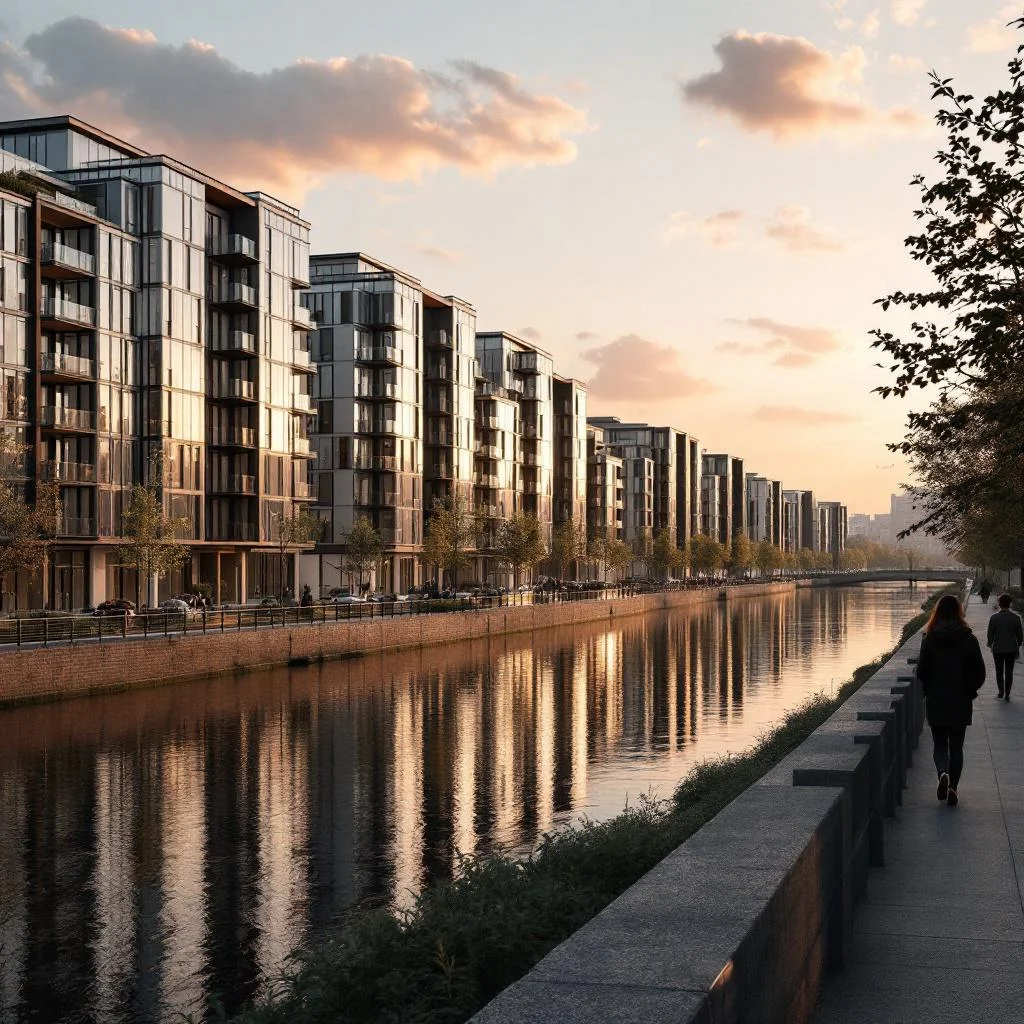
Wandsworth's riverside regeneration has produced some of London's most desirable new-build apartments — and some of its most complicated drainage situations. Beneath the gleaming tower blocks and converted wharves runs a network of public sewers that Thames Water still owns and maintains. When developers or homeowners plan any structure above or near those sewers, a build-over agreement becomes legally essential. After conducting dozens of pre-purchase drain surveys and build-over inspections along the Wandsworth riverside, I want to explain exactly what these agreements involve, why Thames-side properties carry extra risk, and what you must do before your solicitor exchanges contracts.
What Is a Build-Over Agreement?
A build-over agreement is formal consent from Thames Water to construct a building or extension within two metres of a public sewer, or directly above one. Without consent, any structure built over a public sewer is technically unlawful — and you could be required to demolish it at your own cost if Thames Water needs access for repairs.
The Water Industry Act 1991 gives sewerage undertakers the right to access and maintain public sewers at any time. If your extension, basement conversion, or new garden room sits above a sewer and obstructs that access, Thames Water can serve a notice requiring you to remove the obstruction. In older parts of London this happens more often than people expect — because many homeowners simply didn't know a public sewer ran beneath their property.

Why Wandsworth Thames-Side Properties Are High-Risk
Wandsworth's riverside — stretching from Wandsworth town centre through Battersea to the Vauxhall boundary — has been intensively developed since the 1990s. The public sewer network beneath these sites dates partly from Victorian times and partly from infrastructure laid during the first wave of riverside redevelopment in the 1980s. Several factors make build-over situations particularly common here:
Old industrial infrastructure. Former wharves, gasworks, and factories had their own drainage systems, many of which were adopted into the public sewer network when the land was cleared. Their routes are not always obvious from standard sewer maps.
Basement and undercroft parking. Many Wandsworth apartment blocks include basement parking or plant rooms that sit at or below sewer level. Any load-bearing structure constructed at this depth needs careful engineering review relative to the adjacent sewer.
Permitted development assumptions. Some flat owners assume that because their development was approved by the local council, Thames Water has also consented. Council planning permission and build-over consent are separate processes. One does not imply the other.
Shared ownership complications. In a leasehold apartment block, the responsibility for obtaining build-over consent may fall on the freeholder, the management company, or the individual leaseholder depending on the scope of work. This is frequently unclear in leases written before 2000.
Our pre-purchase drain survey routinely identifies undisclosed build-over situations in Wandsworth — typically flagged during conveyancing when the buyer's solicitor runs a drainage search.
The Build-Over Agreement Process with Thames Water
Thames Water operates a formal build-over agreement process. The steps, broadly, are:
Step 1 — Drainage search. Your solicitor orders a CON29DW search (or equivalent) as part of conveyancing. This identifies whether a public sewer runs within the boundary of the property and flags any existing agreements or enforcement notices.
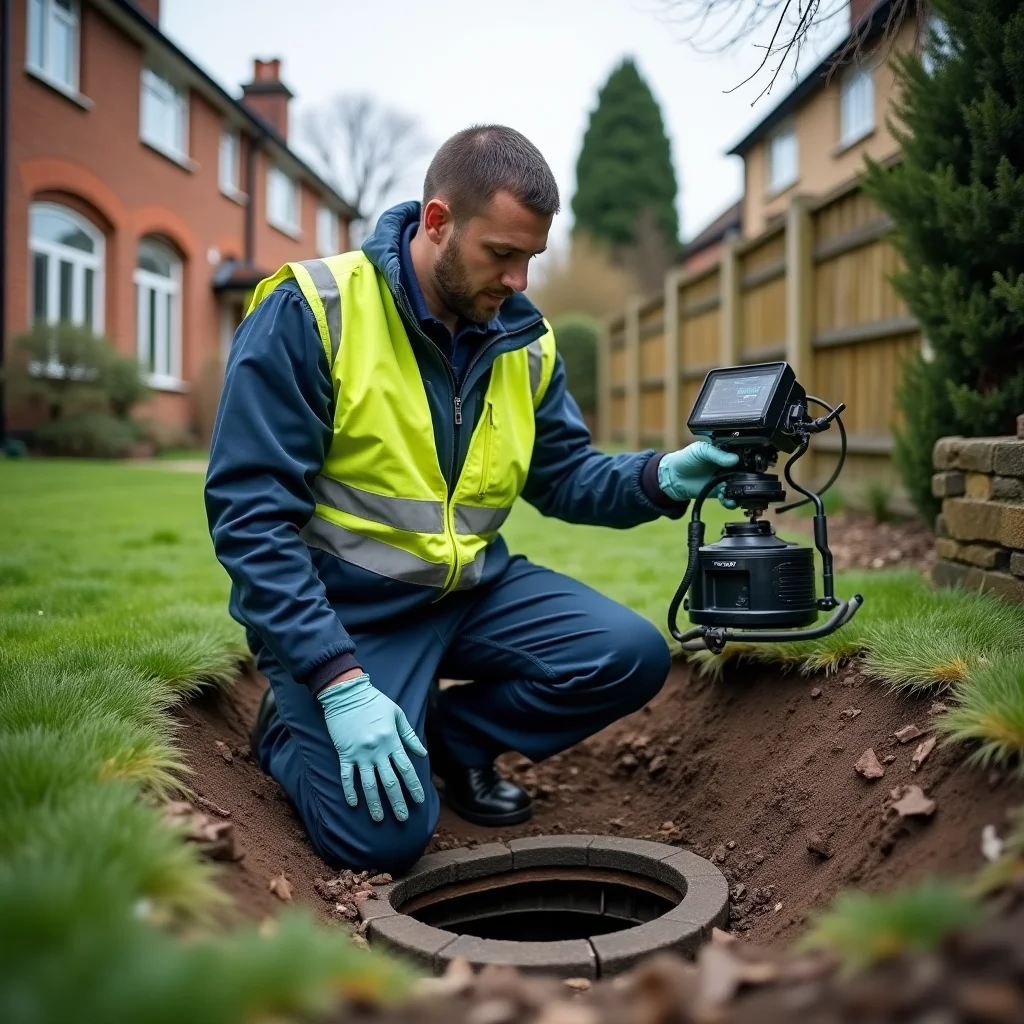
Step 2 — CCTV survey. Thames Water requires a CCTV survey of the affected sewer before and after construction. The pre-construction survey establishes the sewer's condition so that any damage caused by the build can be identified. Our CCTV drain surveys are regularly commissioned for exactly this purpose, often at the instruction of a structural engineer or solicitor.
Step 3 — Application and drawings. The property owner (or their agent) submits an application with detailed drawings showing the proposed structure, its proximity to the sewer, and the proposed foundation design. Thames Water reviews the load calculations and access provisions.
Step 4 — Agreement issue. If approved, Thames Water issues a formal build-over agreement. This is a legal document that runs with the title and must be disclosed to future buyers. Failure to disclose it is a material omission.
What Happens if There's No Agreement in Place?
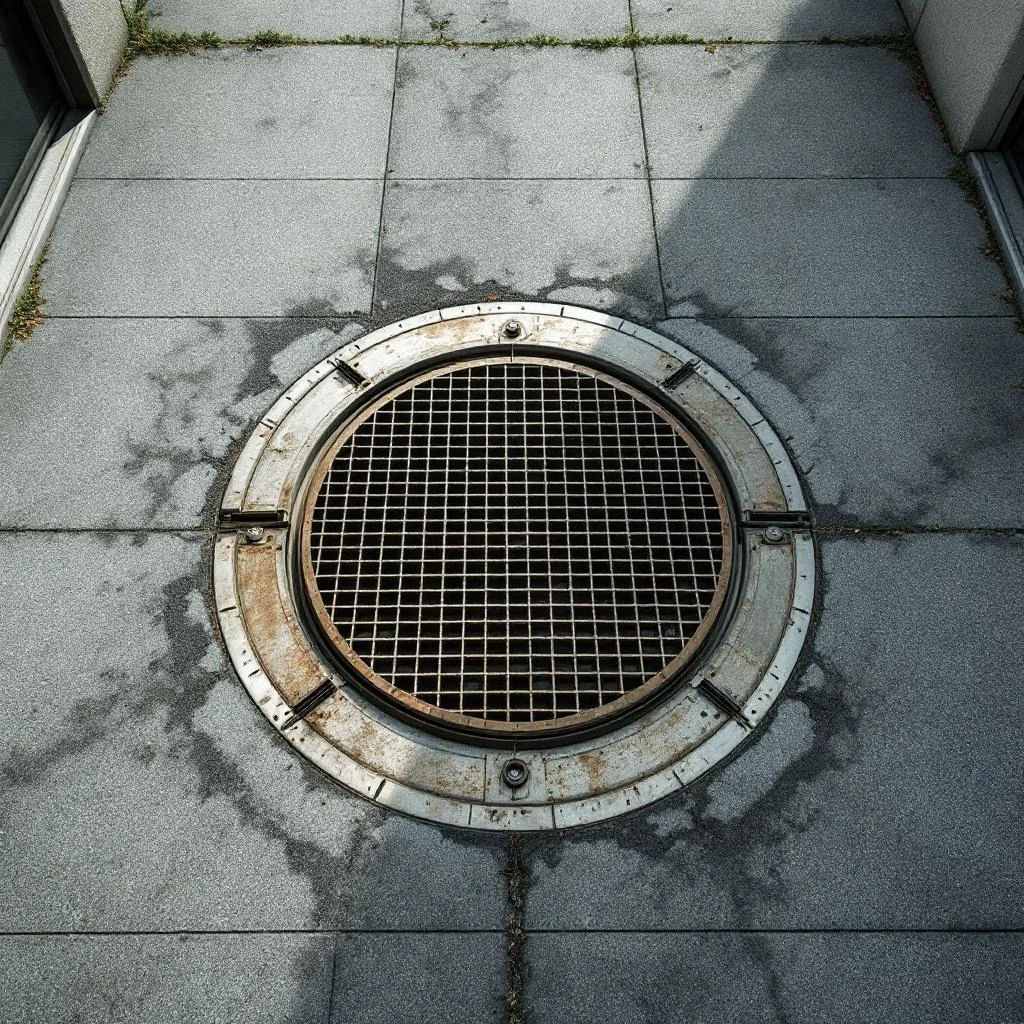
This is where buyers of Wandsworth riverside properties must be alert. If a previous owner built an extension, a decking structure, a garden room, or a basement conversion without obtaining consent, the current buyer inherits the liability. A missing build-over agreement is what conveyancers call a latent defect — hidden, but your problem from the moment you complete.
The consequences can be significant:
- Thames Water may require the structure to be removed if they need sewer access
- Your lender may refuse to mortgage the property without retrospective consent or indemnity insurance
- You may struggle to sell the property without resolving the issue
- If the sewer is damaged during construction (without a pre-works survey), you may face a repair bill
Retrospective consent is possible in some cases, but Thames Water will require a post-construction CCTV survey and may impose conditions. In the worst cases — where the sewer has been damaged or the structure prevents any reasonable access — retrospective consent is refused and removal notices follow.
What to Do as a Buyer of a Wandsworth Flat
Our advice to buyers of riverside and post-industrial conversion properties in Wandsworth:
Commission a pre-purchase drain survey. Before exchanging contracts, arrange a pre-purchase drain survey that covers both the property's private drainage and any public sewer in proximity. Our survey report identifies whether a public sewer is present, its condition, and whether any build-over situations exist.
Check the CON29DW carefully. If the drainage search shows a public sewer within two metres of any part of the building, ask your solicitor to confirm that a build-over agreement is in place and registered with Thames Water. If it isn't, negotiate an appropriate retention or indemnity.
Don't assume permitted development covers it. If you plan to build anything after purchase — a garden room, a deck, a loft conversion that adds load — check the sewer position first. Our Wandsworth drainage team can carry out a rapid sewer position check before you commission an architect.
Understand your lease. In a leasehold block, read the lease carefully to understand who is responsible for obtaining consents relating to the common parts drainage. If the freeholder should have obtained consent for the basement car park but didn't, this is their liability — but it will still affect your ability to sell.
Costs Involved
A build-over agreement application to Thames Water is priced according to the complexity of the sewer and the scope of work. The associated CCTV surveys — pre- and post-construction — add to the cost. These are modest costs relative to the conveyancing delay and potential enforcement action they prevent.
Retrospective consent, where possible, tends to cost more because additional legal correspondence is involved and indemnity insurance may be required by the lender.
Frequently Asked Questions
Does every flat in a Thames-side development need its own build-over agreement?
Not individually — build-over consent is typically obtained at the development level by the original developer. The agreement then runs with the title of the site. However, any subsequent construction by a flat owner within the development may require separate consent if it affects the sewer.
How do I find out if there's a public sewer under my Wandsworth property?
The CON29DW drainage search will show public sewers registered with Thames Water. However, the sewer mapping is not always perfectly accurate for older pipes. A physical CCTV survey combined with the drainage search gives the most reliable picture.
What is the difference between a build-over agreement and a sewer adoption?
A build-over agreement covers construction near or over an existing public sewer. Sewer adoption is a different process where a previously private sewer is transferred into public ownership. Both are relevant in Wandsworth's post-industrial sites where many private sewers were adopted following the 2011 private sewer transfer regulations.
Can I get indemnity insurance instead of a build-over agreement?
Yes, in some cases. Indemnity insurance covers the financial risk of enforcement but does not resolve the underlying legal issue. Lenders vary in whether they accept indemnity insurance — some will require retrospective consent regardless. Your solicitor should advise on this specific to your lender's requirements.
How quickly can you carry out a pre-purchase drain survey in Wandsworth?
We cover Wandsworth with a next-day survey service. Request a quote online via our contact form or visit our Wandsworth drainage page to arrange a survey that fits your conveyancing timeline.