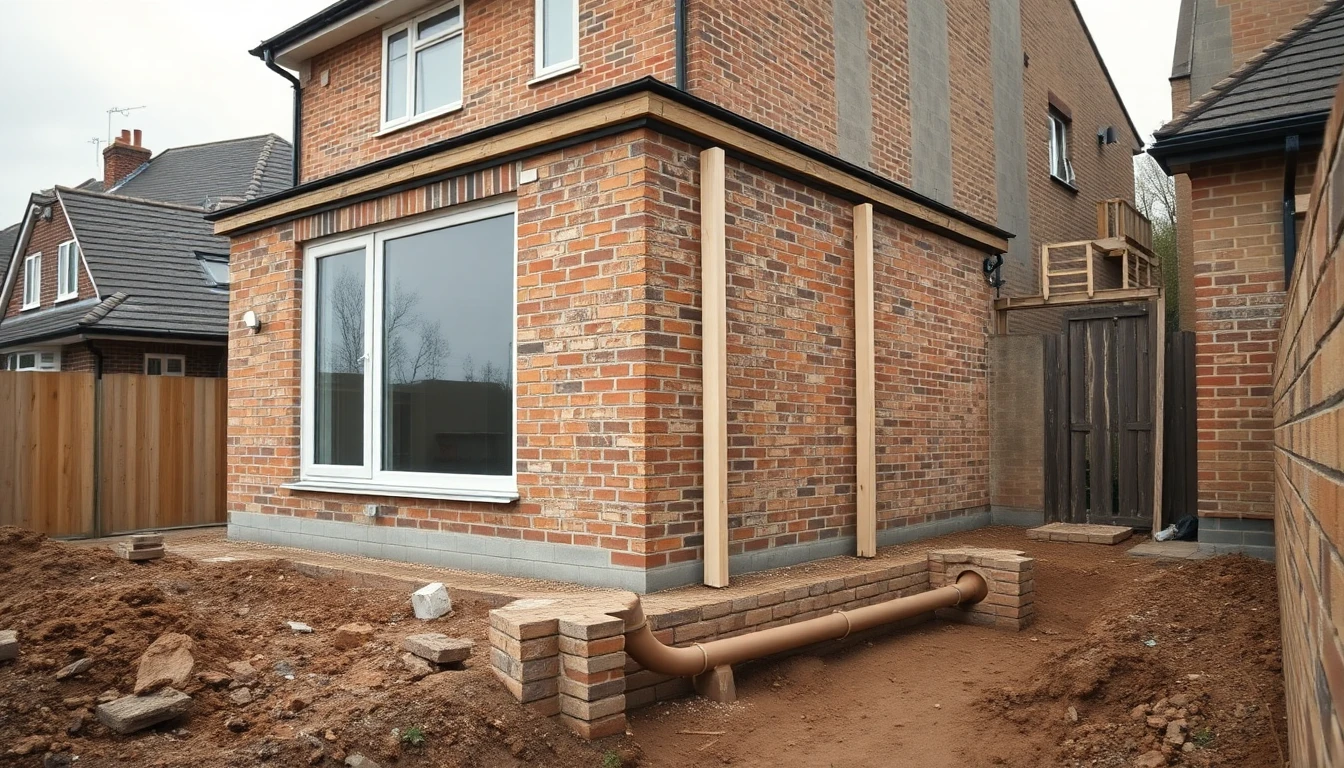
TL;DR Rear and side-return extensions are very common in London's Victorian and Edwardian terraces. Many of these homes have a public sewer under the rear garden boundary. An extension may therefore sit close to that sewer, or right over it. In that case, water companies such as Thames Water generally want formal permission before building starts. People call this a build-over or build-near agreement. The distance that triggers it varies by water company.
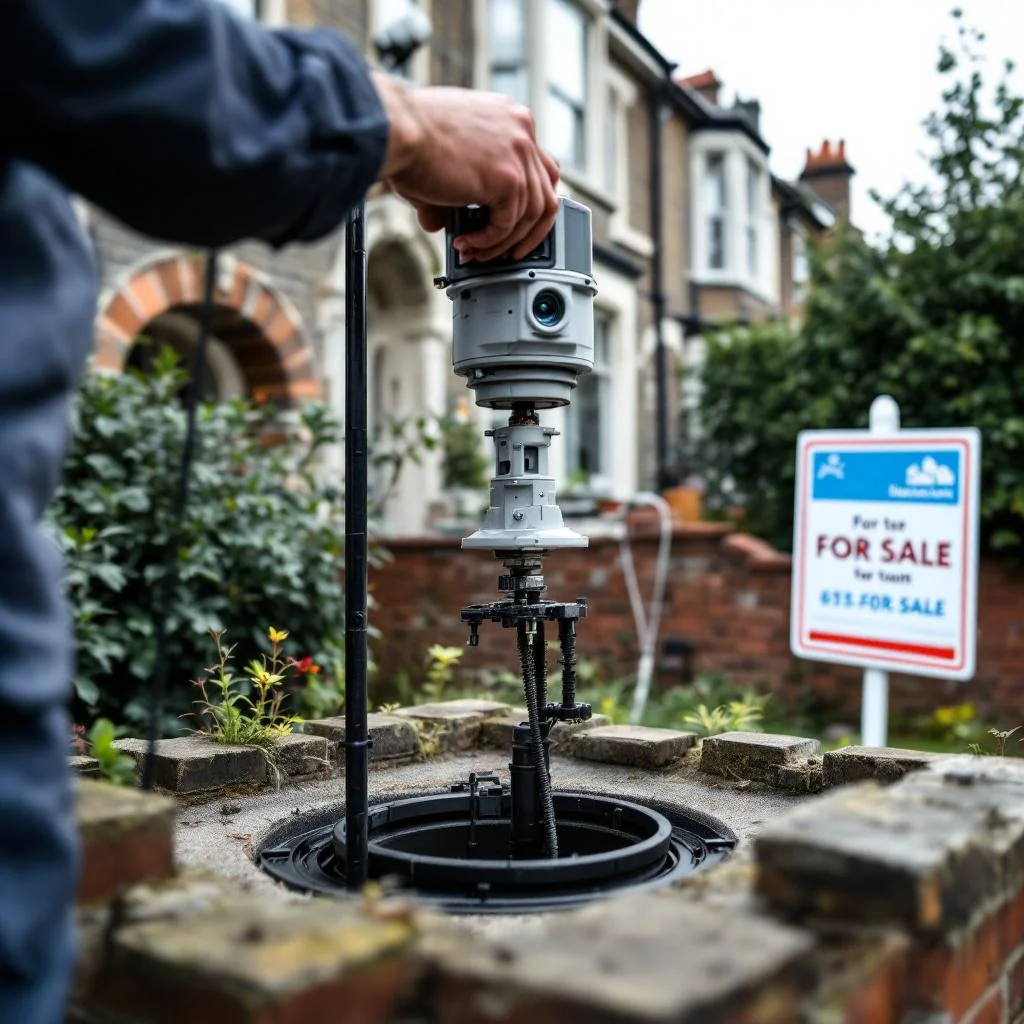
The process nearly always starts in the same place. You need to know exactly where the sewer runs and how deep it sits. Request a quote online for a CCTV drain survey. It settles that point before your extension goes further into planning.
Why This Comes Up So Often in London Terraces London's terraces were built when builders laid public sewers in a regular pattern. The sewer often runs under the rear gardens and links each house on the row to the main network. That layout has sat underground ever since, and few people notice it. Then someone plans a rear extension, a side return or a basement dig near it.
Rear extensions are so common here that the issue arises all the time. Many owners only learn about the sewer when an architect or builder asks. Some find out when a search shows it during planning.
It is easy to assume the pipe under the garden is a private drain for one home. On a terraced row, however, it is just as often a shared drain or a stretch of public sewer. It may serve several houses and run the length of the block to the main sewer in the road.
That difference matters, because work near a public sewer is what brings in the water company. A private drain that serves one house is a different matter.
What a Build-Over Agreement Actually Covers A build-over agreement is formal permission from the water company that owns the sewer. It confirms that your work can go ahead without risk to the pipe. It also confirms that the sewer stays easy to reach for future repairs. It covers the foundation design near the pipe. It also covers whether the sewer must move, and how to protect it while you build.
This is not planning permission in the council sense. It sits beside building regulations and, where it applies, planning consent. Its job is to protect the buried sewer network.
Skipping it is more than a paperwork slip. Problems can follow if the sewer later needs work and the water company finds a structure built over it.
Why a CCTV Survey Comes Before the Paperwork Before you apply, you must know the exact route and depth of the sewer. A guess from an old site plan or a manhole cover is not good enough for a structural decision. A CCTV drain survey traces the real pipe route. It records the depth and condition too. You then attach facts to the application, not an assumption.
This matters most for build-over agreement applications on older Victorian terraces. The pipe run may not match the plans the water company holds, because pipes get moved or replaced over the decades. The paperwork often lags behind.
What Happens If You Skip This Step Building without the right agreement will not stop the extension going up. However, it can cause trouble later. The gap often shows up in conveyancing searches, so it can make the home harder to sell. The water company may also demand repairs if the sewer needs attention and your structure is in the way. It is far easier and cheaper to sort this out before the foundations go in.
Builders and architects on London's terraced streets will usually raise this early. Still, ask the question directly instead of assuming someone has checked. This matters most on a small home project, where a sewer records search is not always the first thing booked.
FAQs
Do I need a build-over agreement even if the extension isn't directly over the sewer? Possibly. Most water companies apply the rule to work within a set distance of a public sewer, not only directly above it. The distance varies by company. That is another reason to check, because the sewer may not run exactly under the new structure.
How do I find out if there's a sewer running through my garden? A CCTV drain survey plus a sewer records search from the local water company is the reliable way. Old site plans and manhole positions are not always accurate for older homes.
Does a build-over agreement cost the same as a drain survey? No. The survey and the agreement are separate steps. The survey gathers the evidence. You then deal with the water company, once you know the pipe route and depth.
Get the Survey Done Before the Extension Is Designed Suppose you plan an extension on a London terrace, and a sewer might run through the garden. Get it confirmed before you finalise the design. Get in touch online to arrange a CCTV drain survey. The same rear-garden sewer layout is common right across London's terraced streets, including in Wandsworth and neighbouring Battersea. Our Battersea drain unblocking and survey page explains what to check locally.
Because every property is different, start with our guides to cctv drain surveys and outdoor drain blockages advice. We also cover cctv drain surveys in Wandsworth and cctv drain surveys in Battersea, so you can see how the work runs near you.
Guides worth reading next
- Wandsworth Thames Flats: Build-Over Agreements Explained
- Tree Root Damage in London Drains: What a CCTV Survey Shows in Sidcup and Chislehurst
- Why Camden, Islington & Hackney Kitchen Drains Block
- Kingston and the Thames: Why Riverside London Drains Face Extra Pressure
- Why One Blocked Drain Can Affect a Whole House: Shared Drainage in Fulham and Battersea Conversions