TL;DR
Kingston upon Thames sits right on the river. That brings a drainage issue that many inland London homes think about less: a higher water table. Suppose an underground drain is cracked, displaced or has an open joint. A high water table nearby means more groundwater sits next to the pipe, ready to find its way in.
This does not cause a blockage the way roots or fat do. Yet it adds load to a system that already works harder than it was designed to, and you often see it only once a CCTV survey looks at the pipe. If a drain near the river acts up after wet weather, request a quote online for a survey, so you can see what is happening below ground.
Living Next to the Thames Changes the Ground Beneath You
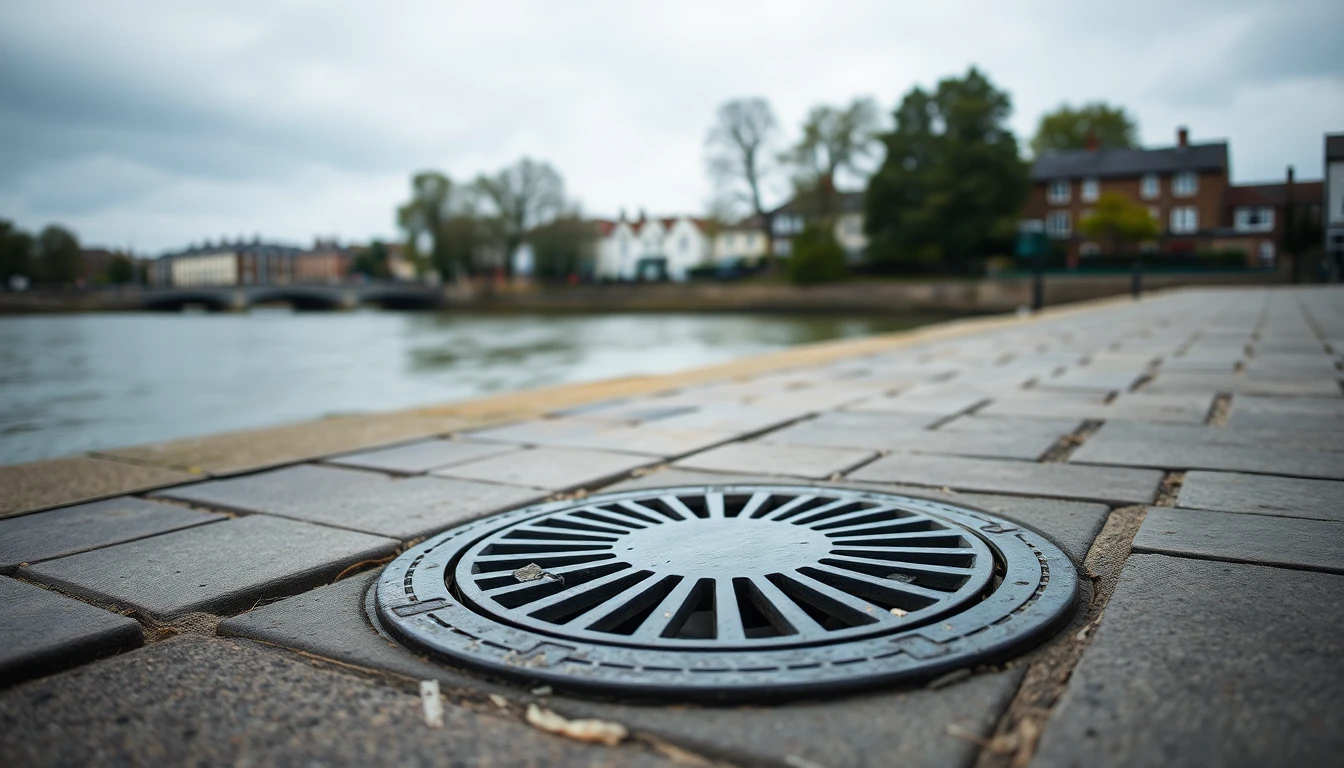
Riverside living in Kingston has obvious appeal, since the views are good. However, the closeness to the Thames that makes it desirable above ground also shapes the conditions below it. Land near a river sits closer to the water table than land further inland. That water table rises and falls with rain and river levels through the year.
For most plumbing, this makes no practical difference. For below-ground drains, it can matter. The pipes are often decades old, and they lie deep enough to sit close to the water table, or even below it, at some times of year. The ground around them is therefore wetter for longer than it would be a few miles inland.
None of this is unique to Kingston, because the same rules apply along the river. Any London home close to the Thames shares some version of the same picture. So does a home near the small rivers that feed it. Kingston is simply one of the clearest examples. It sits right on the riverbank, and it has a long history of homes built close to the water.
Groundwater Infiltration: A Different Kind of Drain Problem
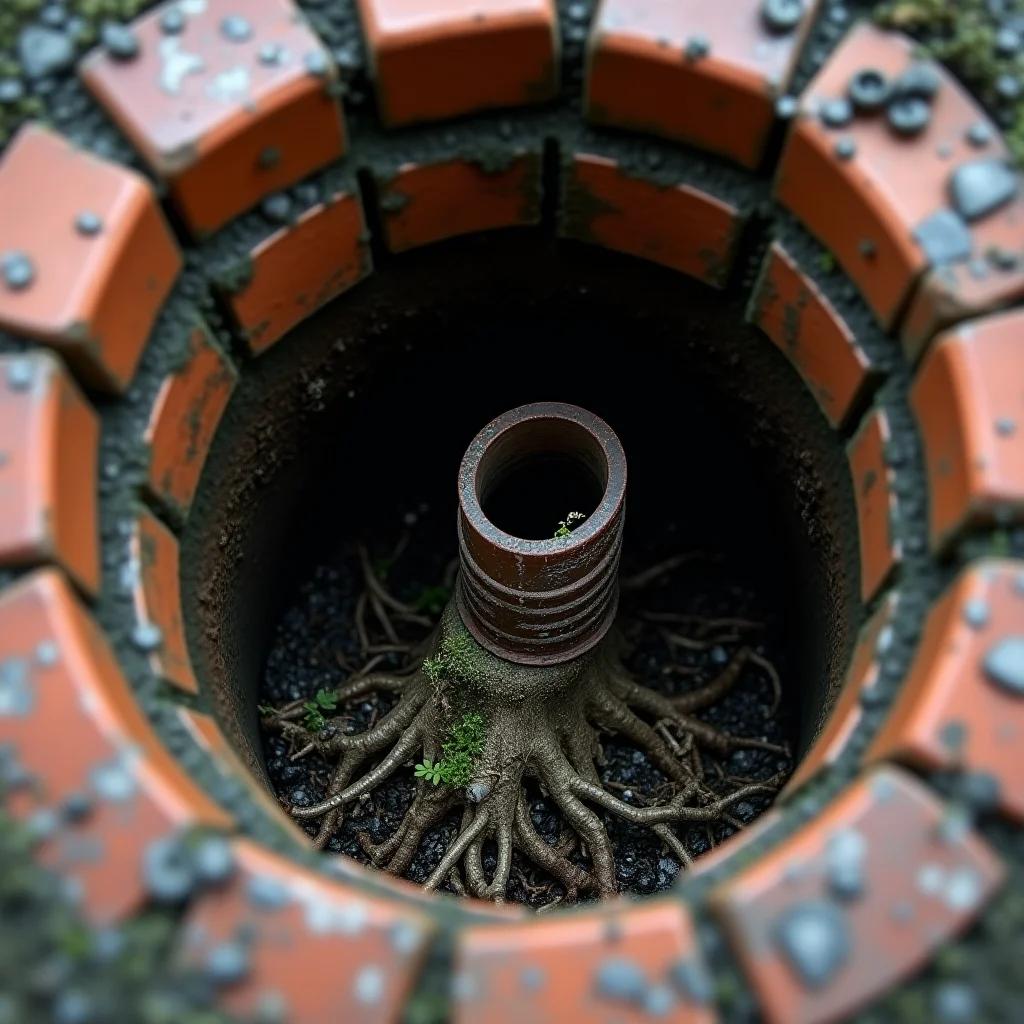
Most blocked-drain talk is about something getting in that should not, such as fat, wipes, roots or debris, because those are common. Groundwater infiltration works the other way round. Water from outside the pipe finds its way in. It may enter through a crack, a failed joint or a section that ground movement has shifted.
On its own, infiltration does not always stop a drain flowing. Yet it adds volume to a system that already carries the home's own wastewater. On older or damaged pipework, that extra load can decide whether a drain copes with heavy rain or backs up. It is also a sign, by itself, that the pipe has a defect worth knowing about.
What a CCTV Survey Adds That Guesswork Can't
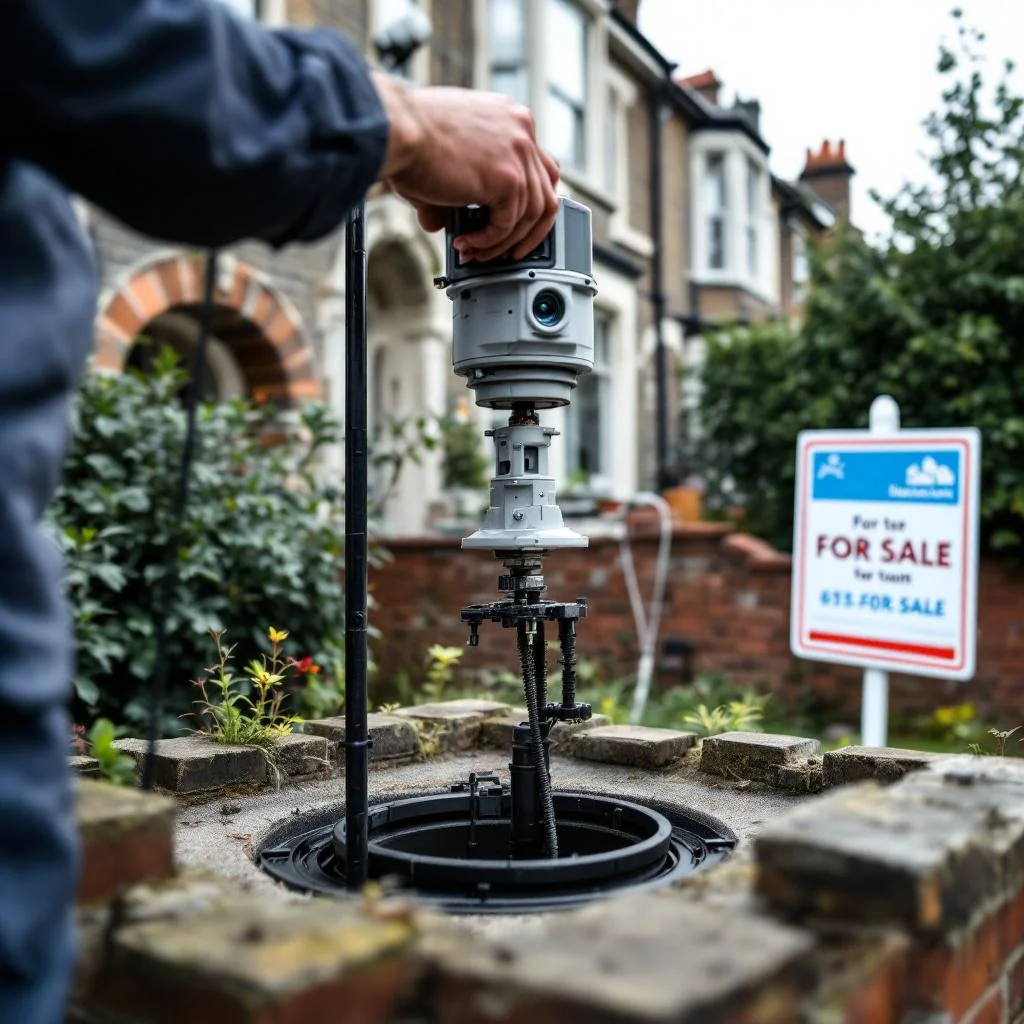
Groundwater infiltration is hard to diagnose from the surface. A classic pattern is a drain that plays up in heavy rain. The rest of the time it behaves normally. That is exactly the kind of problem a CCTV drain survey is built to find. The camera shows the defect directly.
It may be a cracked section or a displaced joint. It may even show water entering the pipe from outside. Nobody has to guess from the symptoms alone.
Once the survey shows where the defect sits, the next step depends on how local it is. A single displaced joint might need only a no-dig lining repair. However, more drain repair work may be needed where several sections of an older run are affected. Either way, the decision is far more reliable with footage to work from.
Checking Flood Risk Alongside Drain Condition
Living near the Thames also means you should know your home's general flood risk. That is a separate question from the condition of your drains. The Environment Agency publishes a free flood risk checking tool on gov.uk.
It covers surface water, river and groundwater flood risk by postcode. It is a useful starting point for any riverside home. It helps you decide which drainage work, if any, comes first.
The two questions are not the same, but they are related. A home with a higher flood risk rating is also one where the ground round buried pipes is more likely to saturate, because water collects there. That is the very condition that lets groundwater through an existing crack or open joint. Checking both, flood risk above ground and pipe condition below it, gives a fuller picture than either alone.
FAQs
How would I know if my drain has a groundwater infiltration problem rather than a normal blockage? A common pattern is a drain that behaves well most of the time, yet backs up or runs slowly during or just after heavy rain. That timing is worth investigating with a CCTV survey. The survey footage is what confirms the cause.
Does living near the Thames mean my drains will definitely have problems? No. Plenty of riverside homes have drains in good condition. Closeness to the river can add pressure to pipework that is already weak. It is not a guarantee of a fault on its own.
Is groundwater infiltration something that gets worse over time? A cracked or displaced pipe section generally does not repair itself. An existing defect is therefore likely to stay the same or slowly worsen. That is one reason to find it early, before it affects flow.
Get a CCTV Survey Before the Next Heavy Rain
Suppose a drain near the river in Kingston has started acting up after wet weather. It is worth finding out whether groundwater is part of the picture, before the next downpour. Get in touch online to arrange a CCTV drain survey. The same riverside pattern applies further down the Thames too, including around Wandsworth.
Because every property is different, start with our guides to cctv drain surveys and build over agreement survey advice. We also cover cctv drain surveys in Tower Hamlets and cctv drain surveys in Wandsworth, so you can see how the work runs near you.
Guides worth reading next
- Tree Root Damage in London Drains: What a CCTV Survey Shows in Sidcup and Chislehurst
- Victorian Drains in London: Common Problems and Modern Solutions
- What a CCTV Drain Survey Shows (and What It Doesn't)
- What Happens During a CCTV Drain Survey? A Step-by-Step Guide
- 5 Benefits of a CCTV Drain Survey Before Buying in London