TL;DR Mature gardens are one of the most common places a CCTV drain survey finds root intrusion, often long before anyone notices a problem at ground level. Roots don't need a cracked pipe to get in — they follow moisture through the smallest gap at a joint, then widen it from the inside as they grow. A camera survey is the only reliable way to see exactly where roots have entered a run and how much of the pipe is affected, rather than guessing from symptoms alone. If a drain near mature trees or old hedging in Sidcup or Chislehurst has started running slowly, request a fixed-price quote online for a CCTV drain survey before a partial blockage becomes a full stoppage.
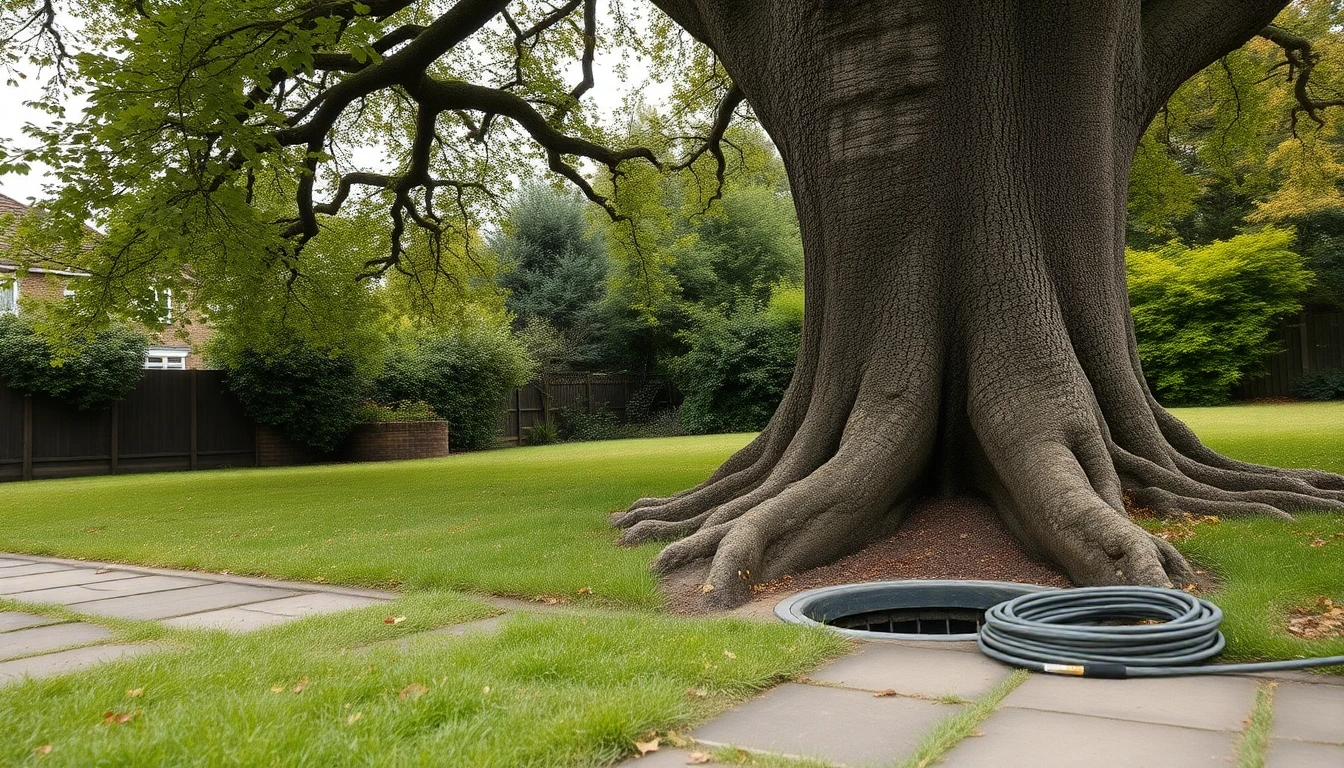
Why South-East London Gardens Are Especially Exposed Sidcup and Chislehurst are two of the more garden-rich corners of outer south-east London — larger plots than the terraced streets closer to central London, mature trees, and hedging that in many cases has been growing for decades. That's good news for privacy and shade, but it also means more root systems spreading close to the drain runs that serve these properties.
Much of the housing stock across Greater London, including this stretch of the south-east, still relies on drainage laid decades ago — often clay pipework jointed in short sections rather than the continuous plastic pipe used today. Those joints are the weak point. A tree doesn't need to grow anywhere near a drain to affect it; roots travel a long way underground in search of moisture, and a drain carrying wastewater is a reliable, constant source.
It isn't only the trees homeowners planted themselves that matter here, either. A mature tree in a neighbouring garden, on a verge, or even street planting a few doors down can send roots underneath a boundary and into a drain run that has nothing to do with where the tree itself stands. That's one reason root intrusion can seem to come out of nowhere on a property with no obvious tree of its own close to the house.
How Roots Actually Get Into a Pipe That Isn't "Broken" Root intrusion rarely starts with a dramatic pipe failure. It usually begins at a joint, a small crack, or a point where a pipe has been slightly displaced by ground movement over the years. Fine root hairs find their way through the gap first, drawn by moisture and, over time, by the nutrients in wastewater itself. Once inside, the roots thicken. What began as a hair-fine intrusion becomes a root mat that catches wet wipes, fat, and other debris passing through the pipe, gradually narrowing the flow until the drain slows or stops completely.
This is why root problems often show up as a slow drain that gets worse over weeks or months, rather than a sudden blockage. By the time water is backing up, the roots may already have colonised a significant length of pipe.
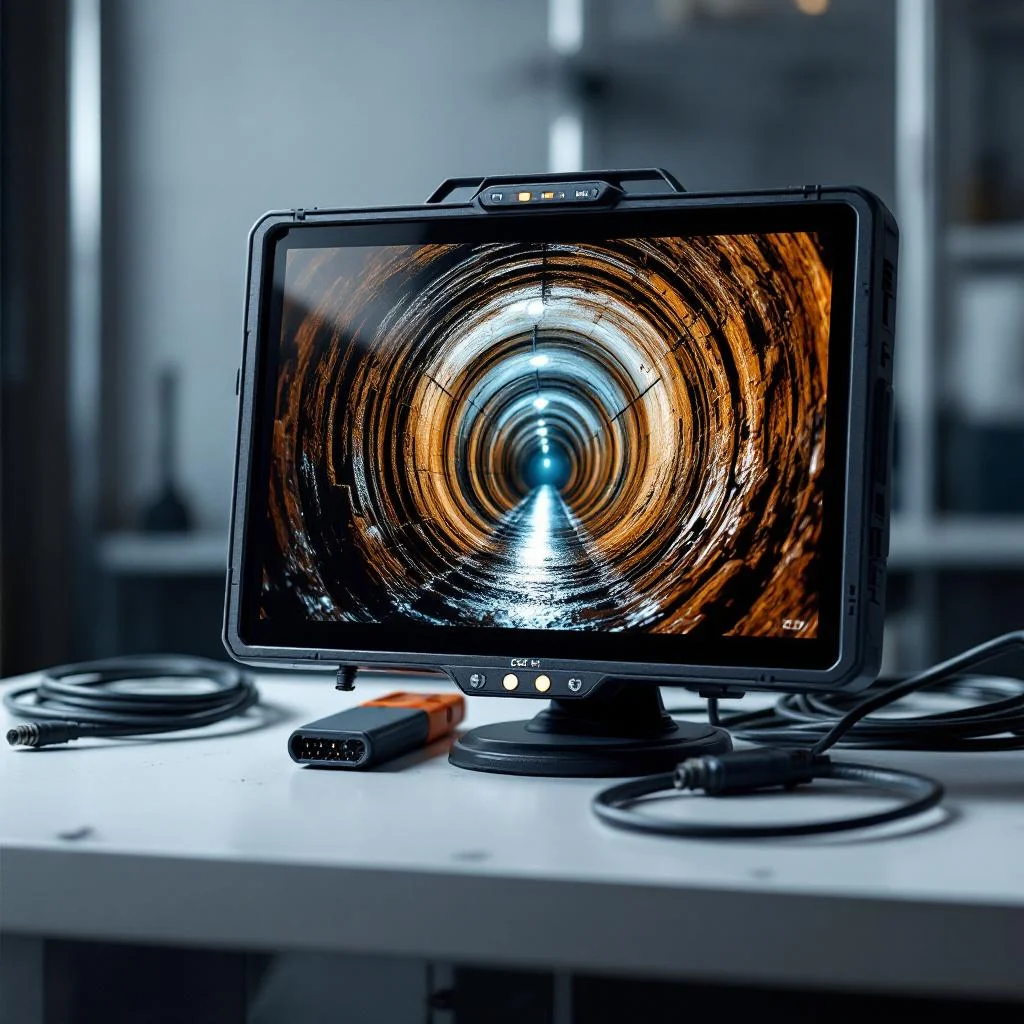
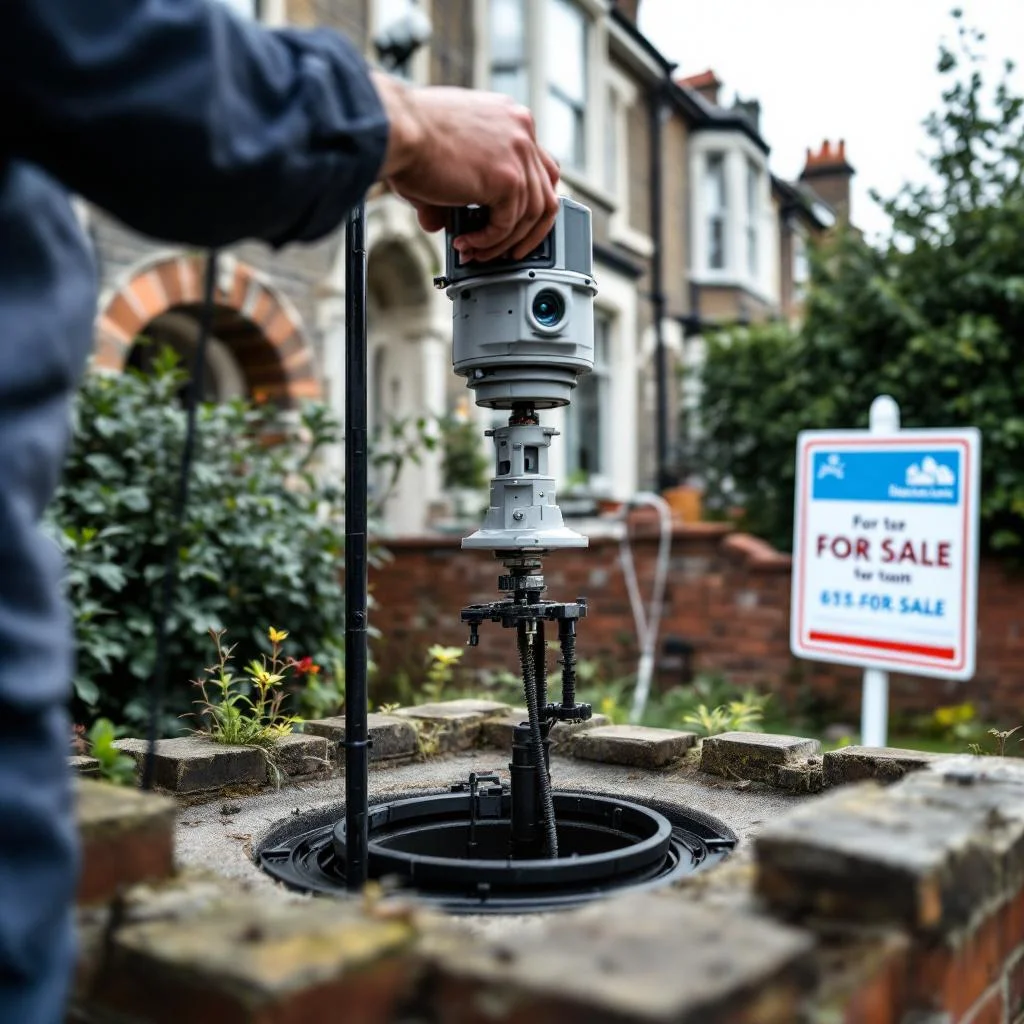
What a CCTV Drain Survey Actually Records A CCTV drain survey sends a waterproof camera through the drain run, recording continuous footage as it goes, so an engineer can see the exact condition of the pipe rather than inferring it from symptoms above ground. Where root intrusion is found, the footage shows precisely where it starts, how far it extends, and how much of the pipe's diameter is affected.
Findings are typically graded against the Water Research Centre's Manual of Sewer Condition Classification (MSCC5), the industry-standard system UK drainage engineers use to describe and prioritise defects consistently, including root intrusion, cracking, and displaced joints. That grading is what turns a video into a decision: whether the run just needs clearing, whether a section needs relining, or whether excavation is genuinely the only option.
A written report and the footage itself are the useful output here, not just a verbal opinion on the day. Having a record of exactly where a defect sits and how it was graded is also worth keeping on file — it's the kind of documentation that helps if the same section of pipe needs revisiting later, or if the property is sold and a buyer's survey raises questions about the drainage.
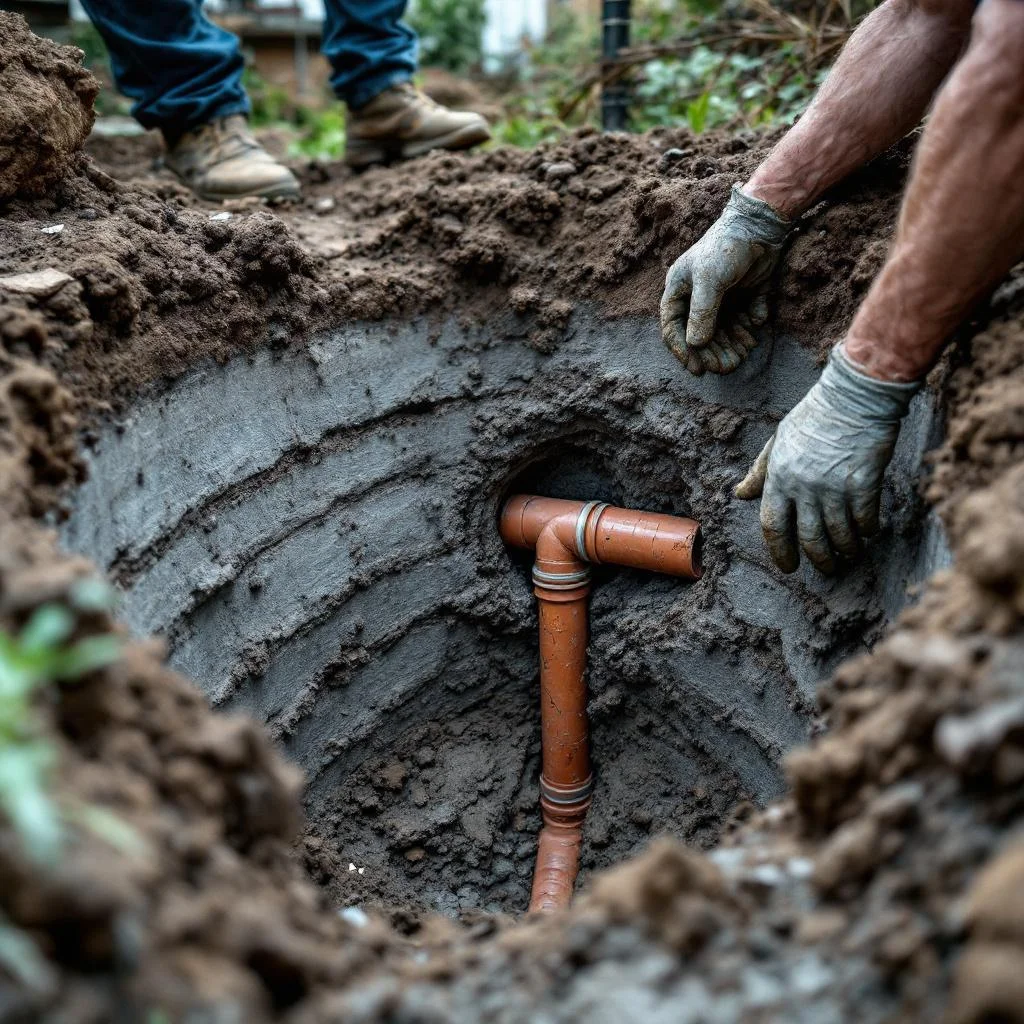
Clearing Roots Without Digging Up the Garden In many cases, root intrusion found early can be cleared using high-pressure jetting with a root-cutting head, restoring flow without any excavation. Where roots have caused more established structural damage — a badly displaced joint or a section that's cracked rather than just infiltrated — a no-dig lining repair may be possible instead of digging up an established garden.
The right approach depends entirely on what the survey shows: how far the roots have spread, the condition of the pipe itself, and how many joints are affected. That's why a survey comes before any repair decision, not after. You can request a fixed-price quote online for a CCTV drain survey, with the cost confirmed before any work is booked.
FAQs
Do tree roots always mean the pipe needs replacing? No. Many root intrusions found early can be jetted clear and the affected section relined without digging up the garden. More established damage — where a pipe is genuinely cracked or a joint has failed — may need a different approach. A CCTV survey is what determines which situation applies to your drain.
Which trees cause the most drain problems in gardens like these? Fast-growing, moisture-seeking species such as willow and poplar are frequently cited as higher-risk near drain runs, but any established tree or hedge growing close to a pipe can be a factor over enough years. Proximity and pipe condition matter as much as the species itself.
Can a survey still be done if I don't know exactly where the drain runs? Yes. Engineers can trace a drain run as part of the survey process itself, so not knowing the exact route beforehand isn't a barrier to getting one done.