Drain smell complaints rise across London every summer. The calls start in June, peak in July and fade by September. The pattern is predictable, because heat speeds up every process that makes a drain smell. It also hits the parts that should stop smells, such as water traps and vent stacks. The result is a drain smell that turns unpleasant fast.
Because the causes differ, this is what causes the smell in your home, and how to deal with it.
The Primary Cause: Accelerated Decomposition
Food scraps, grease, hair and soap residue rot inside your drains. Bacteria drive this process. While they work slowly in cold pipes, they speed up a lot as the pipes warm. So the same drain can seem fine in winter and foul in July.
The rot produces hydrogen sulphide, which gives the "rotten egg" smell. It also produces other gases. In a sealed system, these stay in the pipes and leave harmlessly through the stack vent. However, when a trap dries out, a vent blocks or a pipe cracks, the gases find their way into the building.
London's heat island effect adds to this. Since pipes that run through sunny gardens or along sunny walls can get very warm on a hot day, bacteria work fast and gas output is high.
The Five Most Common Summer Drain Smell Sources
1. Dry trap (evaporated water seal). The U-bend under every sink, basin, bath and shower holds a water seal, because it blocks gas from the drain. In hot weather, or in an empty home, that seal can dry out. Once it is gone, sewer gas comes straight up the plughole.
*Fix: pour water down every drain in the home, since the seal then refills. For floor drains and little-used basins, add a small amount of cooking oil on top of the water. Oil dries far more slowly than water, so the seal lasts through a hot spell.*
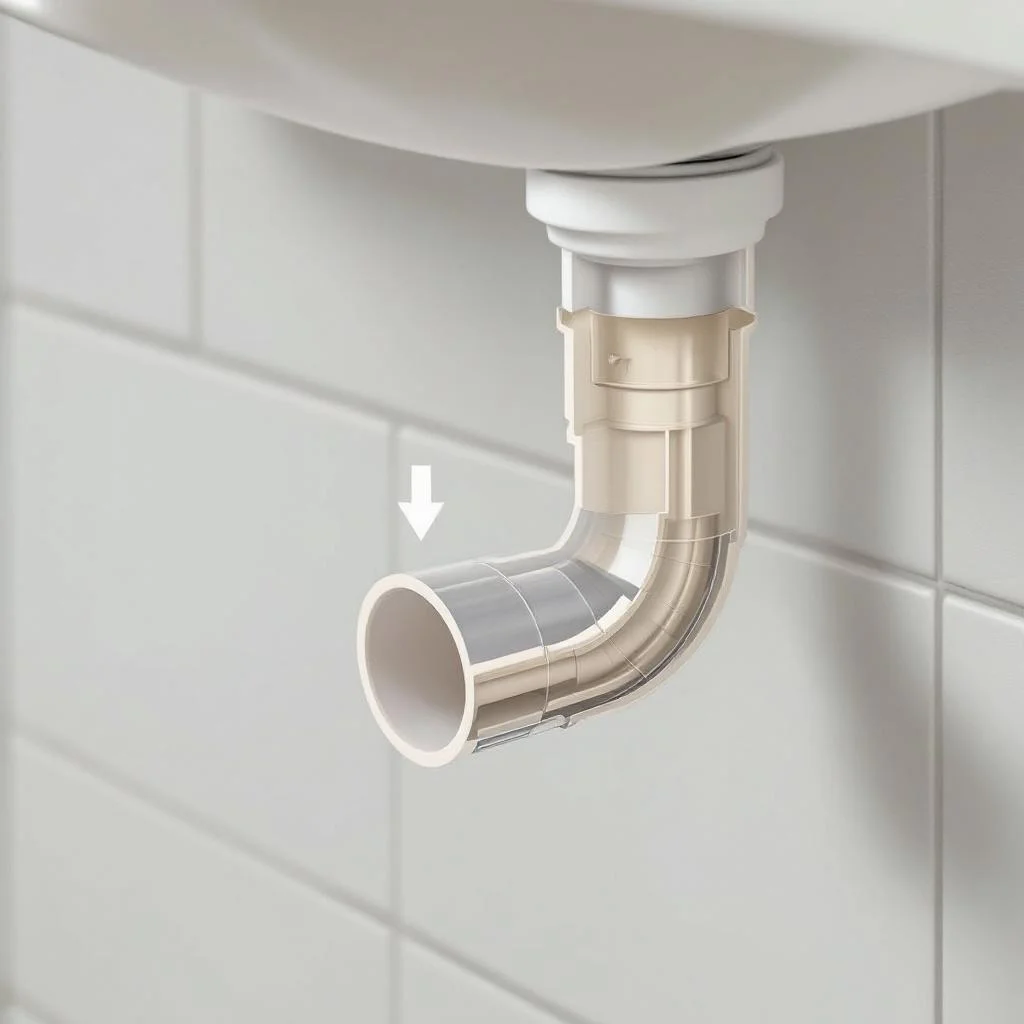
2. Blocked or unventilated soil stack. The vent pipe on the roof lets the drain system breathe, so gas leaves at roof level, not through fixtures. Because a bird nest, debris or a capped vent can block it, if a bird nest, debris or a capped vent blocks it, pressure drops when water drains. That can siphon the water from nearby traps.
*Fix: have the roof vent checked and cleared, since this is a common cause when smells start after building work, especially loft conversions.*
3. Partially blocked drain with trapped organic matter. A slow drain collects waste that rots and makes gas. Because rotting speeds up in summer, the smell is strongest then. The drain may not look blocked, since enough water still passes for daily use.
*Fix: investigate with a CCTV survey, because it shows the blockage, and jet it clear.*
4. Grease-coated pipes warming up. Grease that built up on pipe walls over winter gives off smelly gas as it warms, and old Victorian clay pipes in London kitchens are a common source. You usually notice it at the kitchen sink, and it gets worse in the afternoon heat.
*Fix: professional jetting of the kitchen drain, since it removes the grease layer.*
5. Cracked or displaced pipe joint. A cracked pipe lets sewer gas escape into the ground and sometimes into the building. Although the smell is usually faint and constant, it is hard to place, because it seems to come from the walls, not from one fixture.
*Fix: a CCTV survey to find the defect, then relining or a patch repair, since both are quick.*
Summer-Specific Smell from External Drains
External gullies and chambers can smell a lot in hot weather. This is normal to a degree, because outdoor drainage is not sealed like indoor pipework. Yet a strong outdoor smell can point to a problem.
- Silt or organic matter in the gully pot or chamber
- A partly blocked gully that holds standing water, which speeds up rotting
- A wrongly connected drain, where surface water mixes with foul water
Clearing the gully and checking the chamber for debris usually cures an outdoor smell, since the debris is the source.
When a Drain Smell Indicates Something Serious
Most summer smells come from a dry trap or from rotting waste. Simple fixes usually cure them. However, arrange a professional check if you notice any of these signs.
- The smell is present throughout the building, not just near one fixture
- The smell gets worse after rain, which suggests a cracked pipe and groundwater
- You can smell clear sewage, not just mustiness, in a room above a ground-floor drain run
- The smell appeared suddenly, not gradually
These patterns suggest a structural fault, such as a cracked pipe, a collapse or a wrong connection, so a CCTV survey will find it.
Why London Summers Are Getting Harder on Drains
Summer smell complaints tend to rise as London summers get hotter, while the Met Office publishes weather records you can check. Drain smell problems tend to follow the hot spells. In past heatwaves, many cases came down to dry traps in second bathrooms and ground-floor utility rooms.
This is also why areas near the lost rivers of Lambeth and Southwark can see more summer odour complaints, because old buried streams run alongside the foul sewers there. Warm ground may add to the gas exchange between them. Homes on or near these routes may need more than a trap refresh. Our drainage investigation service traces persistent odours back to the source. For kitchen-side smells caused by grease, our kitchen drain blockage page explains the standard fix.
Frequently Asked Questions
Why does my drain smell worse on hot days?
Heat speeds up the rotting of waste, which gives off hydrogen sulphide and other smelly gases. Because heat also dries trap water faster. London's heat island effect adds to both.
My drain doesn't smell in winter but starts again every summer. Why?
This is often the dry trap problem, because traps you rarely use, such as guest basins, floor drains and spare showers, lose their water seal over time. They then release gas as the heat speeds up the bacteria. The fix is simple. Run water into every drain in the home at the start of summer.
Can drain smells be harmful?
Hydrogen sulphide is toxic at high levels. However, the levels from a home drain smell are not normally hazardous. The smell is unpleasant, and it shows that the system needs attention. If it is very strong, or you feel dizzy or have a headache, open the windows and arrange an inspection.
Does pouring bleach down the drain help with summer smells?
Only for a short time. Bleach kills surface bacteria and cuts the smell briefly, yet it does not fix the cause. Heavy, regular bleach use can also harm older pipe materials.
How much does it cost to investigate a persistent drain smell in London?
The price depends on the scope of the CCTV survey, while jetting to clear a grease smell is priced separately. Request a quote online via our contact form to arrange it.
Because every property is different, start with our guides to blocked drains and commercial cctv drain surveys advice. We also cover blocked drains in Hackney and blocked drains in Haringey, so you can see how the work runs near you.