
London drains block more often than most UK drains. Much of the network is old, made from clay, and set in ground that swells and shrinks each year. Three causes sit behind most emergency call-outs: ageing Victorian pipes, London Clay movement, and modern waste habits the old pipes were never built for. So even a well-kept home can see repeat problems that have little to do with the people living there.
The Age Problem
Most London homes have drains made from glazed clay or cast iron. Clay pipes can last a very long time, yet after 100 years or more they crack and let roots in. Joints slip out of line. Cast iron rots from the inside, which narrows the pipe and leaves a rough surface that traps grease, hair and debris.
London's main sewers date back to the 1860s and Sir Joseph Bazalgette. The smaller pipes that feed them are usually about 100mm wide. That was enough for a Victorian household, but it struggles with modern water use. Because of this, the pipe is often the problem, not just what sits inside it.
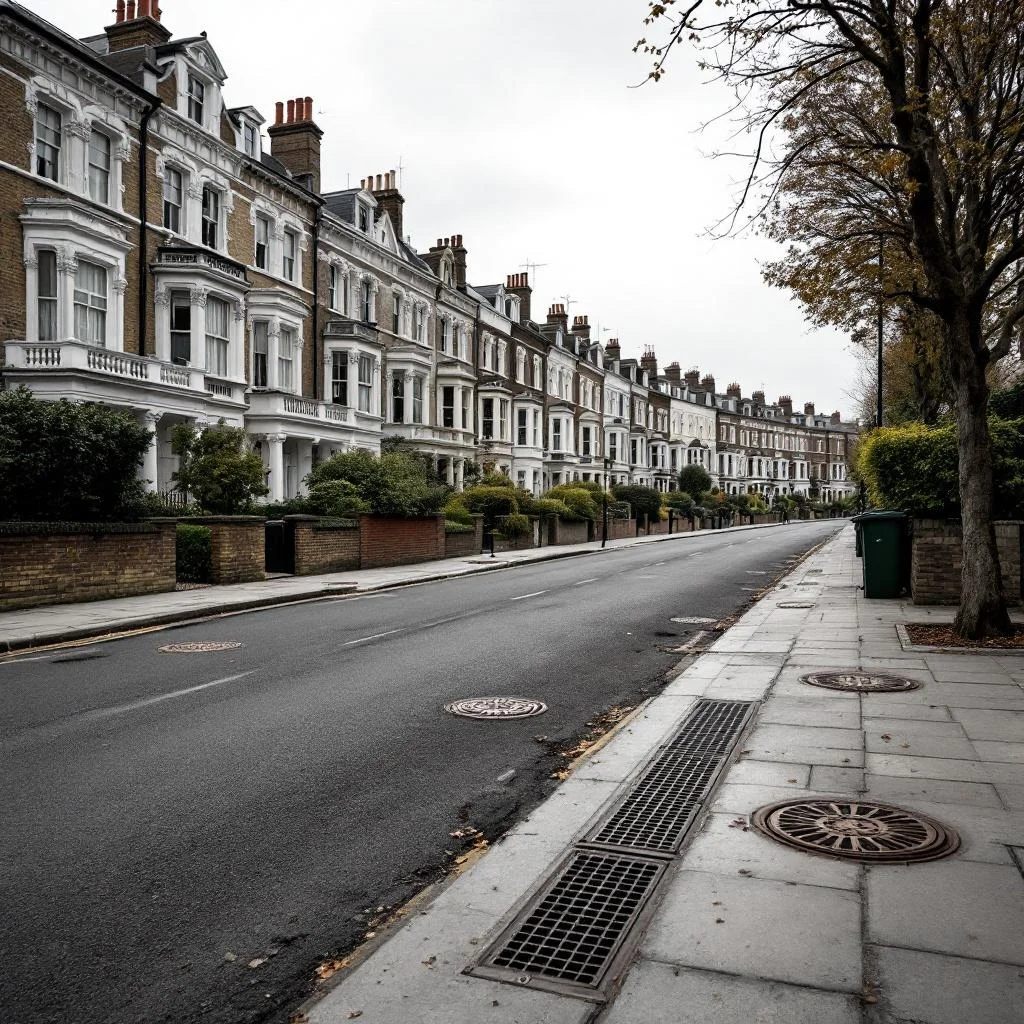
In areas like Islington, Hackney and Kensington, rows of terraced houses share drains under gardens and pavements. One root can spread along the whole run. As a result, several homes may block at the same time.
London's Clay Soil Makes Things Worse
Greater London sits mostly on London Clay. This dense layer swells when wet and shrinks when dry, so the ground never stays still. The movement presses on buried pipes, so they crack, shift or pull apart at the joints. Even fairly new pipes can suffer in the worst-hit areas.
Dry summers make it worse. While the clay shrinks, the pipes move, and then the autumn rain swells it back. Each cycle pulls the joints open a little more, and tree roots find the gaps. Mature trees nearby dry the soil even further, so the damage tends to build up year after year.
Fatbergs: London's Modern Plague
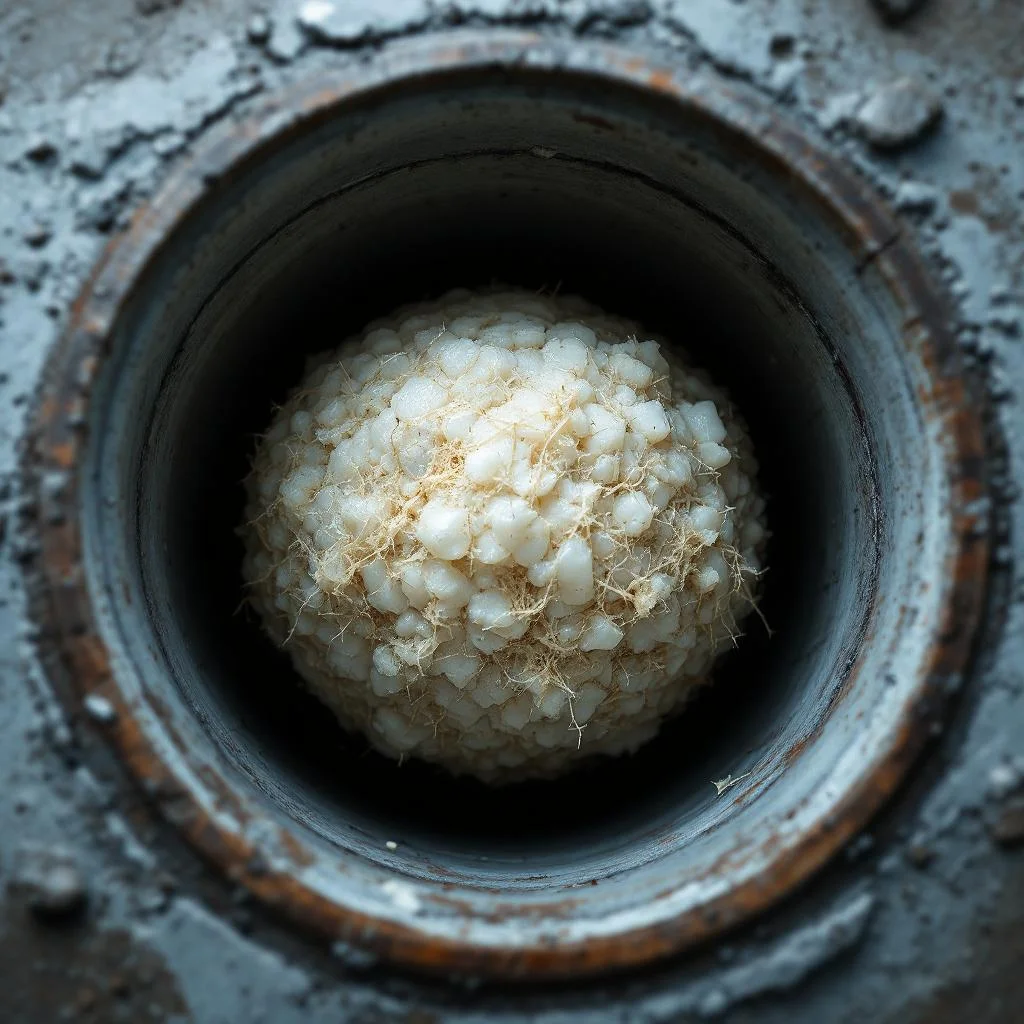
A fatberg is a mass of cooking fat, wet wipes, cotton buds and sanitary products. The 2017 Whitechapel fatberg was huge, and it took a specialist team weeks to remove. That scale is rare, yet the same process runs in home drains every day, only smaller.
Hot fat looks like a liquid, yet it cools as it travels down the pipe. It then sets on the walls and narrows the bore. Wipes and other debris catch on that layer, and in time they form a solid plug.
Because they do not break down, never flush these items.
- Wet wipes, even those labelled "flushable"
- Cotton buds or cotton wool
- Sanitary products
- Paper towels or dental floss
Shared Drains Create Disputes
Many London terraces share one drain run before it meets the public sewer. Since October 2011, Thames Water has been responsible for private sewers that serve more than one property. Many owners still do not know this, so they pay for repairs that may not be theirs. If your drain is shared, check who owns it before you pay a bill.
What You Can Do
Since most blockages start at home, prevention is the best defence.
- Never pour cooking fat down the drain. Collect it in a container and bin it.
- Use sink strainers to catch food scraps.
- Never flush wet wipes, even "flushable" ones.
- Book a CCTV survey every few years for an older Victorian home.
- Act on a slow drain at once. A slow drain today is a blocked drain next week.
A CCTV survey can spot trouble before it becomes an emergency. Because roots caught early can often be cleared by jetting alone, which costs far less than digging up the pipe.
Frequently Asked Questions
Why does my London drain keep blocking even after it's cleared?
A repeat blockage usually points to a fault in the pipe. It could be roots, a crack or a joint that has slipped. Rodding clears the blockage but does not repair the pipe. A CCTV survey finds the cause, so you can fix it for good.
Is a Victorian drain a problem when buying a London property?
It can be. A pre-purchase CCTV survey can find cracked or root-filled drains that a standard home survey will miss. It is wise to book one for any older property, especially on a street with mature trees.
Who is responsible for a shared drain between my house and my neighbour's?
Since October 2011, shared private sewers have been Thames Water's job. You are only responsible for the drain that serves your property alone, before it joins the shared run.
How much does drain unblocking cost in London?
The cost depends on how bad the blockage is and which method it needs. Request a quote online and we confirm the price with you before any work starts.
Can I prevent fatbergs in my own drains?
Yes. Keep fat, oil and grease out of every drain, and never flush wipes or sanitary products. Since those two habits cause most blockages, they matter most.
For blocked drain and drain unblocking services across the capital, our London drainage page covers the full service area. Request a quote online via our contact form.
Because every property is different, start with our guides to blocked drains and commercial toilet unblocking advice. We also cover blocked drains in Fulham and blocked drains in Greenwich, so you can see how the work runs near you.