Most blocked drains in London homes are preventable. A handful of simple habits, kept up every day, would avoid many emergency call-outs. The pipes matter too, because Victorian clay drains will fail eventually however careful you are. Still, daily habits decide whether you face a blockage every six months or once a decade.
The seven habits below cost almost nothing and take little time. They suit London conditions, such as hard water, narrow Victorian drains, mature street trees and shared rear runs. Together they prevent most avoidable blockages and extend the life of even the oldest pipes.
1. Never Pour Fat, Oil or Grease Down the Sink
This is the most important habit on the list. Cooking fat, frying oil, butter, lard and meat juices all behave the same way. They cool, set and stick to the inside of the pipe.
Over weeks and months, the layer thickens and narrows the bore until water no longer drains freely. Then a wet wipe or a clump of food catches on the fat, so the drain blocks.
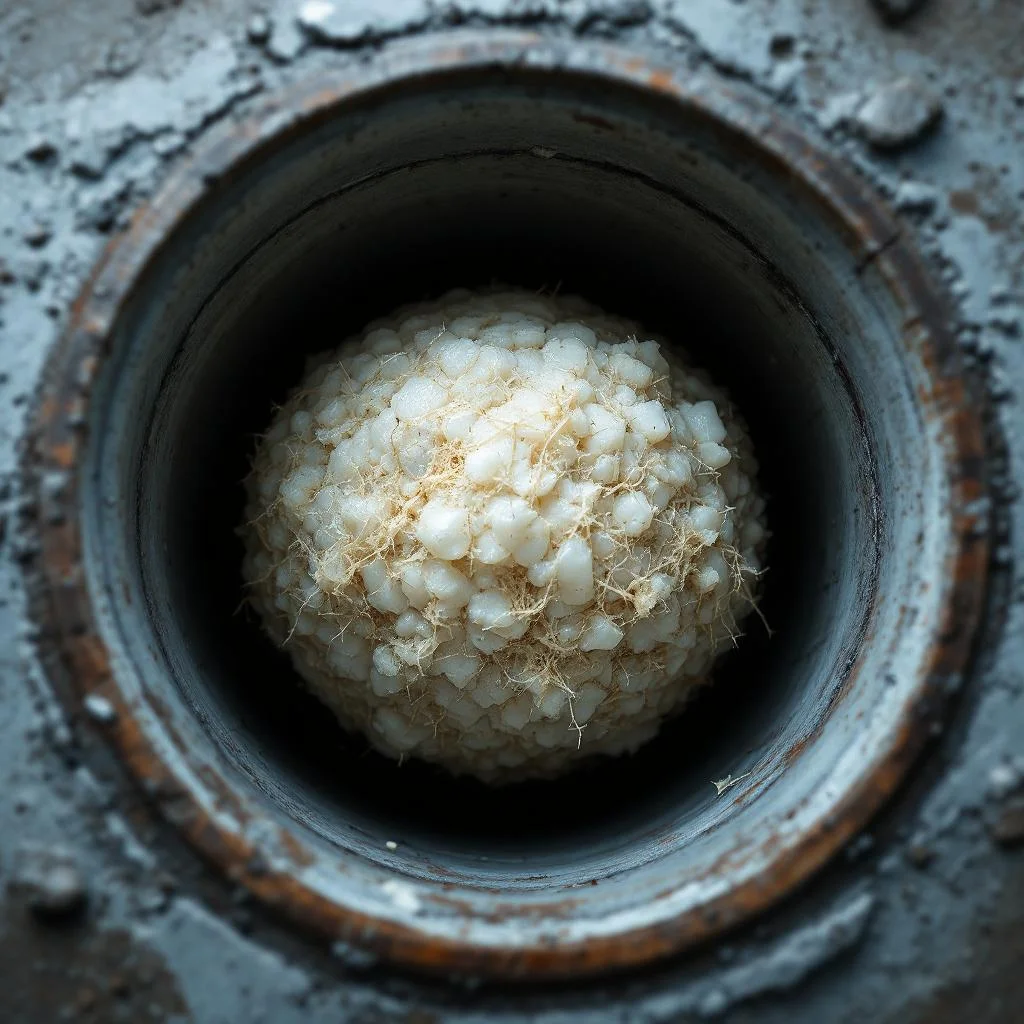
Hot water and washing-up liquid do not solve this. They loosen the fat while the water stays warm. Once the mixture cools further down the pipe, the fat sets again. London's combined sewers give fat plenty of cool surfaces to settle on, which is why the city has a fatberg problem.
The right habit is simple. Collect cooking fat in a jar or old tin, let it set, and put it in your household waste. Wipe greasy pans with kitchen paper before washing them, because this keeps fat out of the pipe.
For a deeper look at fat in shared London sewers, see why London drains block so often. If a kitchen drain blockage does form, deal with it that week, because every extra day adds to the fat layer.
2. Treat "Flushable" Wipes as Unflushable
Wet wipes do not break down in home drains at any useful rate. This includes every product sold as "flushable", "biodegradable" or "septic safe". They keep their shape for months in a London sewer.
That is plenty of time to gather at a pipe defect, a root or a layer of cooled fat and start a blockage. Therefore, the 130-tonne 2017 Whitechapel fatberg, which Thames Water covered widely, was held together largely by wet wipes.
Make a household rule. Only the three Ps go down the toilet: pee, poo and paper. That excludes baby wipes, makeup wipes, floss, cotton buds, cotton wool, sanitary products and kitchen paper. Proper toilet tissue is made to fall apart within seconds, while these items are not.
A small lidded bin in every bathroom solves the problem at source. In flat-shares and rented homes, a written reminder near the toilet is a cheap fix for landlords. For toilet blockages, see our blocked toilet emergency guide. For repeat issues, see our blocked toilets London service page.
3. Use Sink Strainers in Every Drain
Cheap mesh strainers cost a few pounds a pack. They catch food debris, hair and other waste before it enters your drains. Used every day, they stop the slow build-up of organic matter that mixes with fat to narrow the pipe.
In the kitchen, a strainer over the plug catches rice, pasta, coffee grounds, eggshell and peelings. None of these belong in a London drain, and coffee grounds in particular form a heavy sludge that traps fat. In bathroom basins and showers, a strainer catches hair. Hair is the largest single cause of bathroom blockages, which is why bathroom drain blockages are so common.
Empty the strainers into the bin, not back down the drain. The task takes seconds a day, yet it prevents a problem that costs real money to clear. If you have long hair, brush it before showering, since that reduces what reaches the strainer.
4. Run Hot Water Through Drains Weekly
Once a week, run a kettle of very hot water down each kitchen and bathroom drain. Use water that is hot but not boiling. Follow it with a spoonful of bicarbonate of soda and a splash of white vinegar.
The reaction breaks up the soft soap-and-fat film on the pipe walls. The hot water then flushes the loose material onwards, since it carries the film away.
This is no substitute for the first three habits, because it will not clear an established blockage. It will not dissolve a fatberg either. It does keep the everyday film thin. London's hard water encourages limescale and soap deposits in bathroom drains, and a weekly flush slows that build-up.
Avoid boiling water in pipes with plastic waste fittings, since very high heat can soften and bend plastic over time. Do not rely on caustic drain cleaners as a routine habit either. They damage pipework and harm the sewer, and they do not tackle the cause. Bicarbonate, vinegar and hot tap water are gentler, cheaper and better in the long run.
5. Watch Your Trees and Garden
Tree roots are a leading cause of blocked drains in London. They are a particular problem in tree-lined inner boroughs like Islington, Hackney and Camden. Roots seek water, and a hairline crack at a clay joint is exactly the source they find. Once inside, they grow into a fibrous mass that catches every passing scrap.
If mature trees stand close to your drain, yours or a neighbour's, assume that roots are a real risk. Act early to prevent a problem. For example, a root-cutting jetting visit every few years keeps roots in check without a dig. As we cover in our high-pressure drain jetting guide, modern jetting cuts and flushes roots using only water.
Avoid planting thirsty, fast-growing trees such as willow, poplar and sycamore near drain lines. Know where your rear drain runs before any garden landscaping. Outdoor blockages often signal roots lower down the system, so see our outdoor drain blockages page for diagnosis. For the geology, read our article on how London Clay damages drains.
6. Address Slow Drainage Immediately
A slow drain today is a blocked drain next month. The earlier you act, the easier and cheaper the fix. A drain that takes twice as long as normal is already restricted, and the build-up speeds up as the bore narrows.
Respond in this order. Check the strainer or trap for debris. Flush with hot water and bicarbonate.
If that does not restore flow, book an inspection instead of reaching for caustic chemicals. Repeated use of chemical cleaners is a red flag, because it suggests a structural fault such as a partial blockage, a pipe defect or roots.
One early call-out for a slow drain costs far less than a midnight emergency three weeks later. It costs far less still than the flood damage from a fully blocked drain. See our drain unblocking cost guide for typical pricing. If you want an inspection, request a quote online via our contact form.
7. Book a CCTV Survey Every Few Years for Older Properties
For any London home built before 1960, a periodic CCTV drain survey is the best preventive step. This is especially true of Victorian and Edwardian terraces in inner boroughs. A survey finds cracks, displaced joints, roots and grease build-up long before they cause an emergency. It lets you fix faults on your own schedule instead of reacting to a crisis.
A survey also clarifies the boundary between your private drains and Thames Water's network. This matters since the October 2011 private sewer transfer, when many shared rear-garden runs became Thames Water's job. Owners who do not know where the boundary lies often pay for repairs that are not theirs to pay. For more, see our Thames Water responsibility article.
A survey is also strongly advised before you buy an older London home. It either confirms the drains are sound or finds defects that justify a lower price. See our pre-purchase CCTV survey guide, our CCTV drain surveys service page and our CCTV survey pricing.
When Prevention Isn't Enough to Prevent Blocked Drains in London
These seven habits will not stop every blockage. London's drains are old, and structural failure is part of their life cycle. Clay pipes crack, joints shift, and some sections eventually need replacing.
What prevention does is buy you years of trouble-free service. It turns emergencies into routine maintenance, because you fix faults early.
When a blockage does arrive, respond fast and in proportion. Call someone to clear the immediate problem. Then commission a CCTV survey to find the root cause.
Use jetting or pipe relining to fix structural defects without a dig where possible. Good prevention and a prompt response keep the lifetime cost of drain ownership low.
If an older home's drains worry you, one proper survey early in your ownership changes the picture. You move from guessing to knowing, and you can plan maintenance over years. The same applies to landlords with inner-London portfolios. A survey-led schedule costs far less than one driven by call-outs.
Frequently Asked Questions
How often should I clean my drains preventatively?
Flush kitchen and bathroom drains weekly with hot water and bicarbonate. Check outdoor gullies by eye every six months. However, if mature trees are close, schedule root-cutting jetting every few years.
For older homes, schedule a full CCTV survey every few years too. Most households overdo chemical cleaning and underdo structural inspection, so aim for the reverse.
Are chemical drain cleaners safe to use?
Occasional limited use is acceptable, but do not make it a habit. Caustic and acidic cleaners damage old clay and cast-iron pipes over time. They also give off hazardous fumes, and they rarely clear a structural blockage. For repeated slow drainage, the right response is an inspection, not stronger chemicals.
Does my home insurance cover preventable blockages?
Most policies exclude blockages caused by misuse, such as fat down sinks or wipes in toilets. However, structural failures and tree root intrusion are sometimes covered, especially under "underground services" or "drain cover" extensions. Read your policy and keep CCTV evidence of any structural defects on file.
Should I tell my neighbours about my prevention habits?
If you share a rear drain, yes. Shared runs are common in inner London Victorian terraces. One household pouring fat down the sink can cause blockages along the whole row. A friendly word about the shared run is a small social cost for a large gain.
What if my drain blocks despite all this?
Request a quote online via our contact form. We recommend further inspection only when the evidence justifies it. See our drain unblocking London page for service detail.
Because every property is different, start with our guides to blocked drains and pre-purchase drain survey advice. We also cover blocked drains in Haringey and blocked drains in Islington, so you can see how the work runs near you.