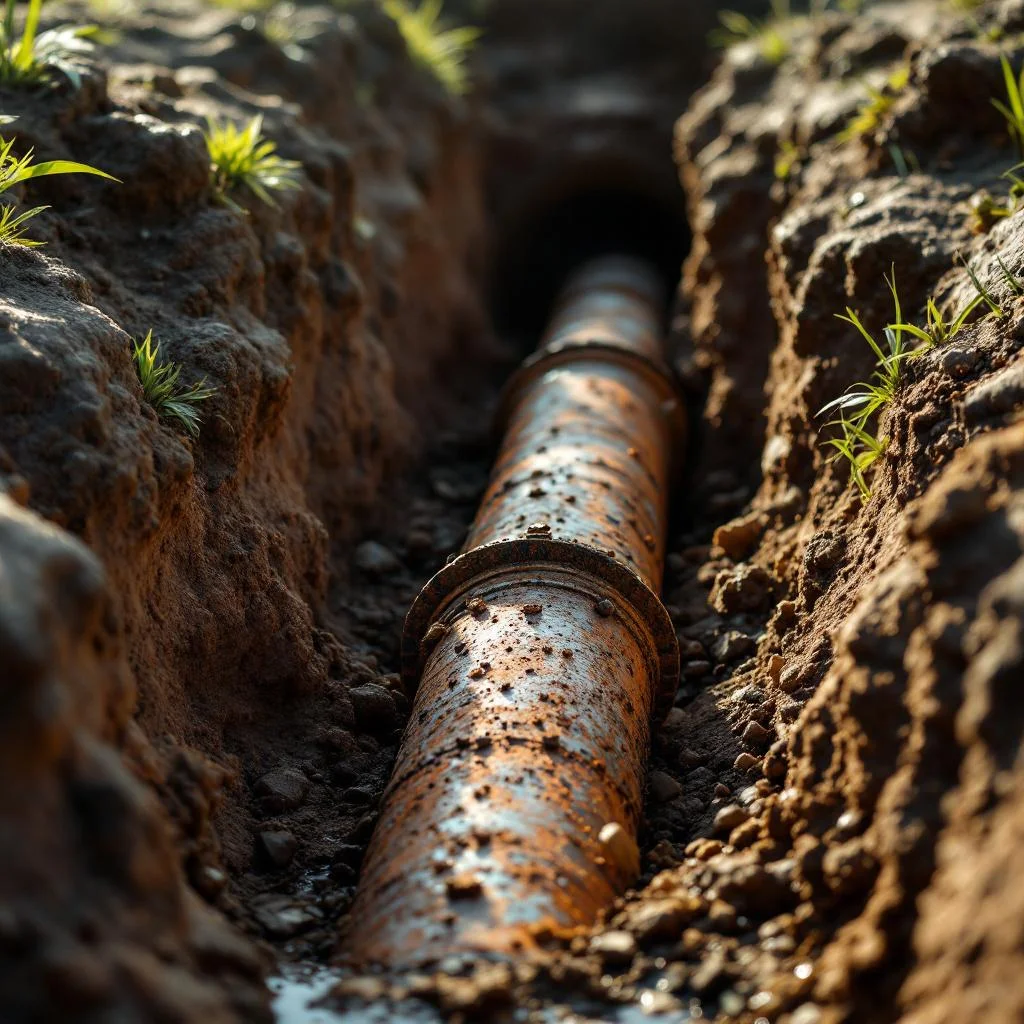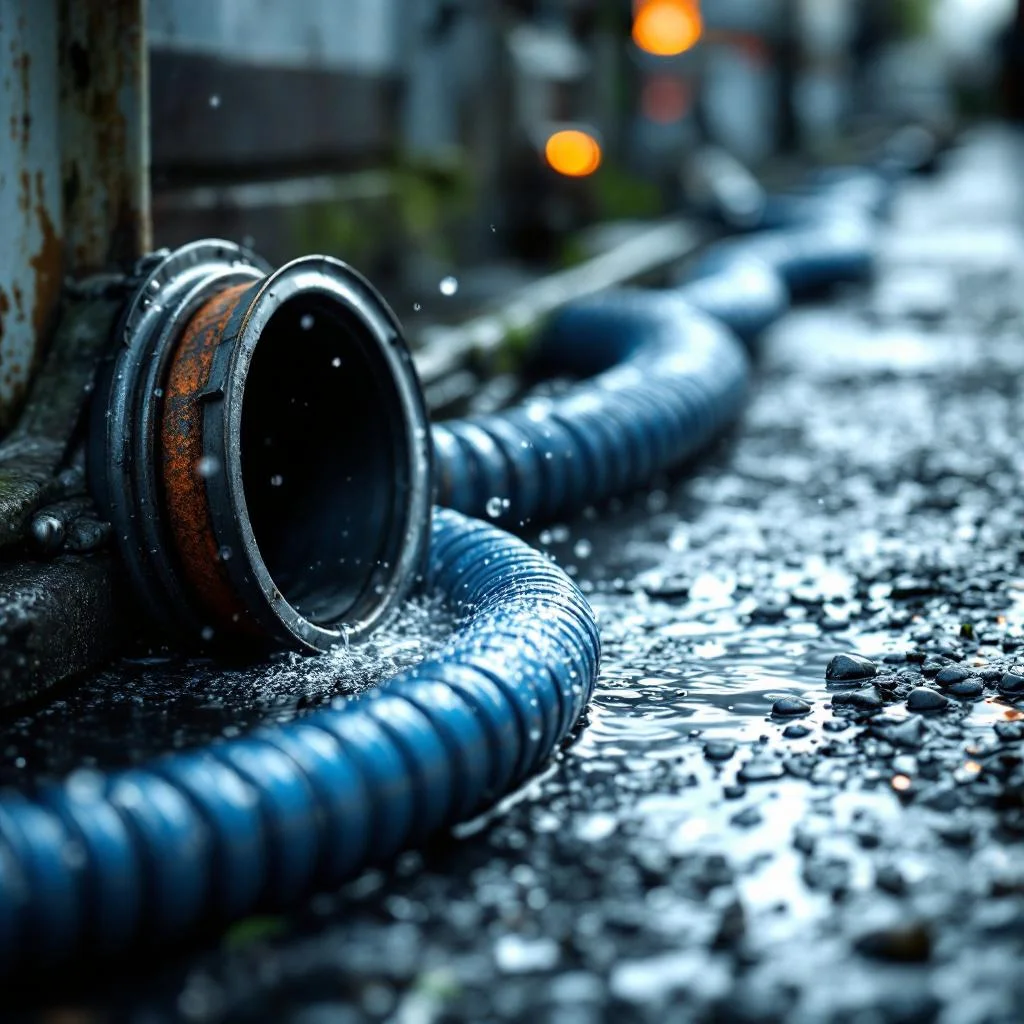

A blocked drain in a restaurant at 6pm on a Friday is a crisis. A blocked drain in an office building is a health and safety incident. Commercial drainage fails differently from residential drainage — higher volumes, more aggressive contaminants, and the consequences of failure are measured in lost trading hours and regulatory risk rather than inconvenience. High-pressure drain jetting is the standard maintenance tool for commercial drainage in London, but the frequency, specification, and cost look quite different from a domestic jetting job.
Why Commercial Drainage Fails Faster
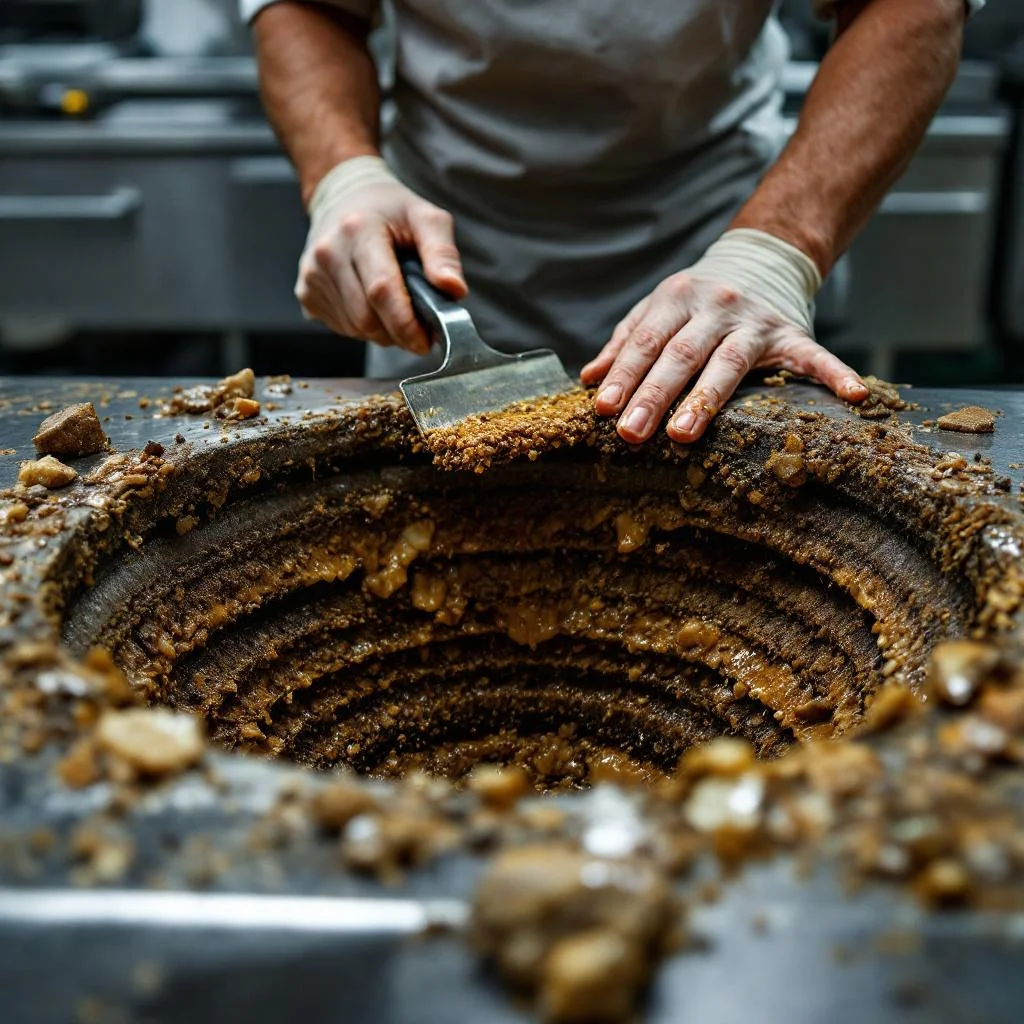
Commercial kitchens discharge grease, food particles, and detergents at rates no residential kitchen approaches. A busy London restaurant serving 200 covers per night might discharge more grease in a single service than a residential kitchen does in a week. That grease cools as it moves through the drainage system, solidifying on pipe walls and accumulating at every change in direction.
The London sewer system has well-documented problems with fatbergs — the Whitechapel fatberg of 2017 weighed 130 tonnes — and restaurant grease is the primary feedstock. Thames Water imposes a legal obligation on food business operators under the Sewers (Deposits) Act 1953 to prevent fat, oil, and grease from entering the public sewer in quantities that could cause a blockage. Compliance means grease traps and regular drainage maintenance.
Office buildings present a different challenge: larger pipe diameters, more complex drainage layouts serving multiple floors and multiple toilet and kitchen areas, and a culture of extended maintenance cycles that can allow build-up to progress unchecked until a visible failure occurs.
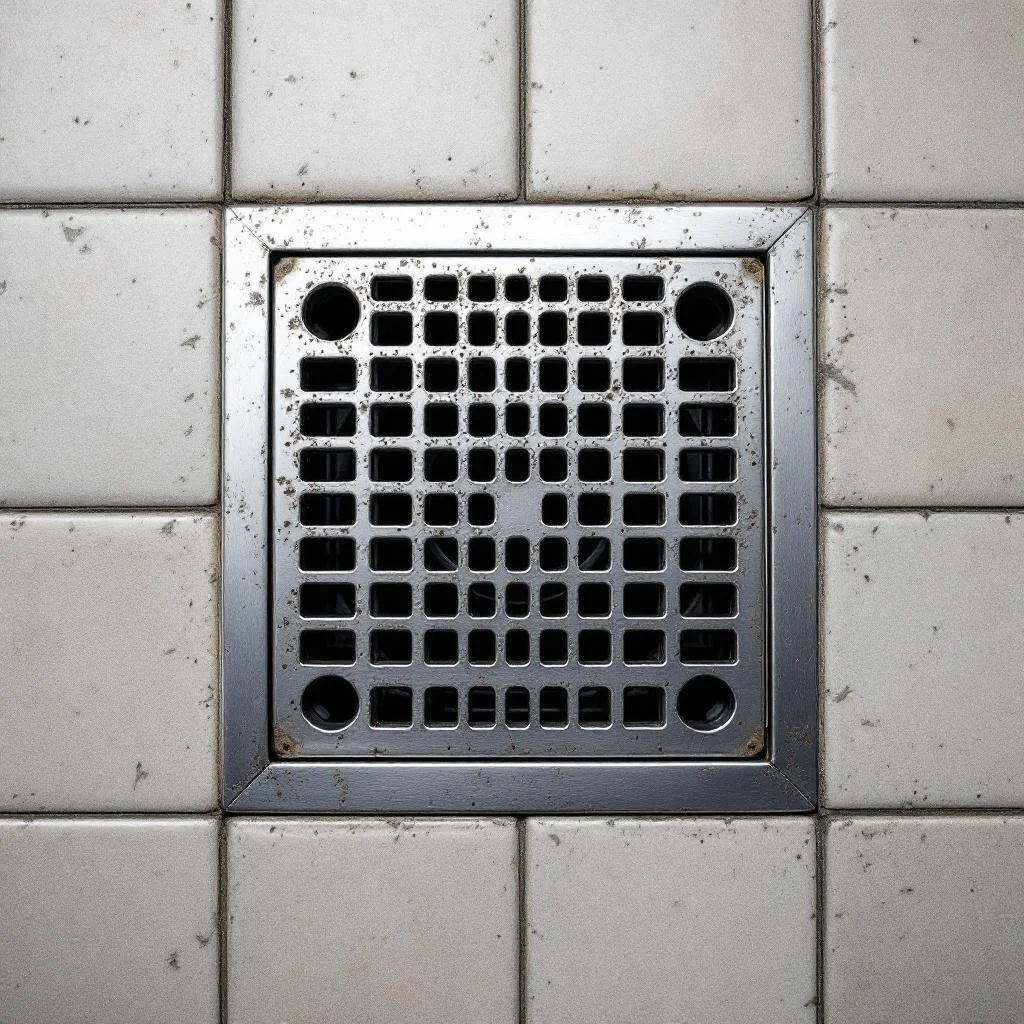
What Commercial Drain Jetting Involves
The core process is the same as residential jetting — high-pressure water at 80–200 bar, fed through a self-propelling hose and nozzle. The differences are in scale and access:
Flow rates. Commercial jetting units operate at higher flow rates than residential units — typically 40–80 litres per minute rather than 15–25 litres per minute for a domestic machine. The higher flow rate is needed to flush dislodged material through larger-bore commercial pipes.
Access requirements. Commercial sites typically have larger inspection chambers and multiple access points. A jetting contractor working in a restaurant will need access to the kitchen floor drains, the grease trap (if present), the internal inspection chamber, and the external chamber at the property boundary. Clear access routes through the kitchen and service areas must be agreed in advance.
Grease trap servicing. Commercial grease traps — either passive traps under the kitchen floor or larger external tank traps — must be emptied and cleaned separately. Jetting the downstream drainage without emptying the grease trap first will simply push accumulated grease into the sewer. Many commercial jetting contracts include grease trap emptying as a combined service.
CCTV reporting. Commercial clients frequently require a CCTV report alongside the jetting work — both to evidence compliance (for insurance or regulatory purposes) and to identify any structural defects that could cause future failures. Our CCTV drain survey service is routinely combined with commercial jetting jobs.
How Often Does Commercial Drainage Need Jetting?
The right frequency depends on your business type, volume, and drainage layout. As a guide:
Restaurants and food service (high-volume). Monthly or quarterly jetting of kitchen drainage runs, with grease trap emptying at least quarterly (monthly for high-volume operations). The Environmental Health Officer (EHO) for your borough may specify minimum maintenance frequencies in your premises licence or improvement notice.
Cafes and smaller food operations. Quarterly jetting is typically sufficient. Grease traps should be checked monthly and emptied when the grease layer reaches 25% of the trap volume.
Office buildings. Annual jetting of the main drainage runs is standard. Buildings with large catering facilities on-site should treat those areas as food-service drainage.
Hotels and serviced apartments. Quarterly jetting of kitchen drainage, annual jetting of guest room drainage runs. Hotels with restaurant facilities should treat kitchen and restaurant drainage as high-volume food service.
These are industry guidelines rather than legal requirements. The legal standard is simply that drainage must not block or discharge grease in quantities causing a public sewer blockage.
Choosing a Commercial Drainage Contractor in London
Commercial drainage is a specialist area and the quality of contractors varies significantly. When evaluating a commercial drain jetting contractor, look for:
High-flow jetting equipment. A contractor arriving with a van-mounted domestic jetting unit is not equipped for a commercial kitchen drainage job. Ask about flow rate (litres per minute) and pressure range.
Grease trap servicing capacity. If you have a grease trap, the contractor needs a licensed waste carrier certificate to remove and dispose of the extracted grease. Grease trap waste is classified as a controlled waste and cannot be poured down the drain.
CCTV survey capability. A contractor who can jet and survey in a single visit gives you maintenance evidence and condition reporting in one mobilisation.
Contract maintenance programmes. For regular commercial clients, a planned preventive maintenance programme — with scheduled visits, consistent reporting, and a service history — is worth more than ad hoc callouts. It provides compliance evidence and typically reduces the cost per visit.
Our commercial drain jetting service covers London and covers restaurants, hotels, office buildings, and multi-tenancy commercial premises.
What Does Commercial Drain Jetting Cost in London?
Commercial jetting is priced differently from residential work. A single commercial kitchen jetting visit in London is priced according to run length, number of access points, and whether grease trap emptying is included. Annual contract pricing for a single-kitchen restaurant is quoted individually and typically includes quarterly visits.
For a full breakdown by business type, visit our drain jetting cost page.
Compliance Evidence and Insurance Documentation
For commercial operators, the value of regular jetting goes beyond keeping drains flowing — it produces the documentary evidence that insurers and regulators expect to see when something does go wrong. Environmental Health Officers conducting routine inspections of food premises increasingly ask to see drainage maintenance records alongside cleaning schedules and pest control logs. A complete history of jetting visits, grease trap emptying tickets, and CCTV reports demonstrates that a business is meeting its obligations under the Water Industry Act 1991 and section 111 of the Public Health Act 1936.
Commercial buildings insurance policies typically require evidence of "reasonable maintenance" of drainage as a precondition for cover against escape-of-water and sewage backup claims. After the 2017 Whitechapel fatberg and a number of subsequent high-profile London fatberg events, insurers have tightened the documentation they request after a claim, and businesses without a clear maintenance trail have found claims either declined or settled at a fraction of the loss. A planned jetting programme with quarterly reports — in the format insurers accept — is the cheapest insurance you can buy. For multi-tenancy commercial buildings, the freeholder's facilities management contract should specify drainage maintenance with the same rigour as fire alarm testing or lift inspections, and the records should be kept centrally and made available on demand to leaseholders.
FAQ
Am I legally required to maintain my commercial drains?
Yes. Under the Water Industry Act 1991 and the Sewers (Deposits) Act, business operators have a legal obligation not to deposit material in public sewers in quantities that cause blockage. Fat, oil, and grease are the primary concern for food businesses. Failure to maintain drainage can result in enforcement action from Thames Water and improvement notices from Environmental Health.
Do I need a grease trap?
London planning authorities and Environmental Health frequently require grease traps for new food business premises applications. If your premises pre-dates this requirement, you may not have a trap but are still required to prevent grease entering the sewer. A grease trap is the most practical compliance tool.
Can jetting be carried out during opening hours?
It depends on the layout. External drainage jetting can usually be carried out without disrupting service. Internal kitchen jetting — particularly floor drain work — typically requires kitchen shutdown, which means early morning before service or a closed day. We work around your trading hours wherever possible.
What is the difference between a passive grease trap and a grease interceptor?
A passive grease trap is a small unit (5–50 litres) fitted under the kitchen sink that slows flow and allows grease to separate by flotation. A grease interceptor is a much larger tank (typically 500–5,000 litres) installed in an external chamber. Interceptors are required for high-volume kitchens; passive traps are suitable for smaller operations.
How quickly can you attend a commercial drain emergency in London?
For emergency callouts — a blocked drain during service, a sewage backup in a customer area — we prioritise urgent jobs for the fastest possible response across central and inner London. Request a quote online via our contact form.