Most blocked drain callouts can be cleared with a drain rod. Push the rod down the pipe, rotate it against the blockage, break it up, and the drain flows again. Rodding is quick, cheap, and entirely adequate for a simple grease plug or a ball of hair close to the access point. But rodding has hard limits — and knowing where those limits are is the difference between a drain that stays clear for three years and one that blocks again in three weeks. High-pressure drain jetting is the tool that deals with what rodding can't reach.
How Rodding Works — and Where It Fails
A drain rod is a flexible fibreglass section, typically 900mm long, with threaded connectors. You push multiple sections together into the drain and rotate them against a blockage to break it up. The physical pressure of the rod end is what does the work.
- Rodding is effective against:
- Soft blockages close to the access point (grease build-up, hair, food debris)
- Toilet paper compaction in the soil stack
- Light root feeder intrusions near a joint
- Rodding fails against:
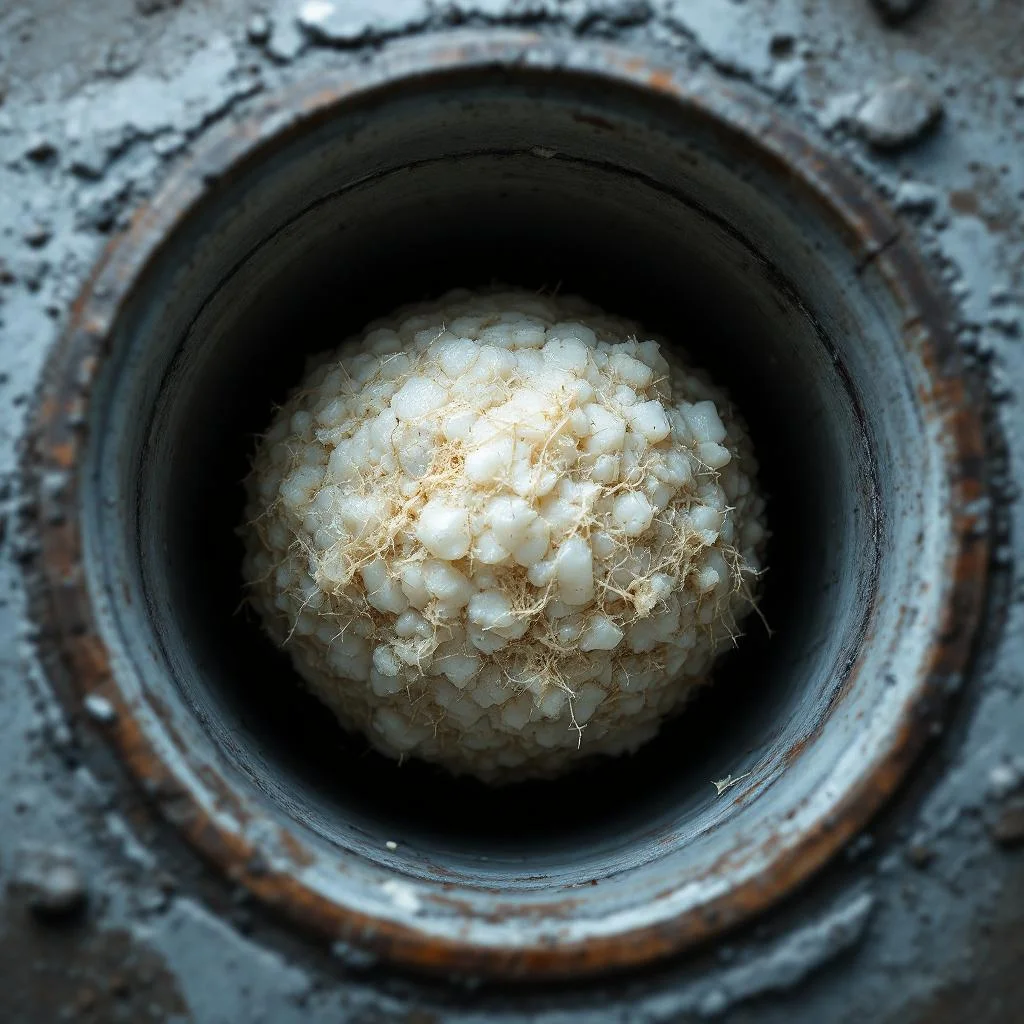
- Grease-coated pipe walls. A rod can break a grease plug in the centre of the pipe, but it does nothing to remove the layer of congealed fat coating the pipe walls. Within days, that coating catches new debris and re-blocks.
- Scale and mineral deposits. Hard water scale narrows the bore of a pipe gradually. Rodding cannot remove calcified deposits — it simply passes through the narrowed section.
- Root intrusion. Established root masses — roots that have spread along several metres of pipe — cannot be mechanically broken up by a rod. Attempting to do so risks snapping the rod.
- Blockages in long runs. Rodding becomes increasingly ineffective beyond 15–20 metres from the access point. Friction builds up on the rod, and the torque transmitted to the rod end drops significantly.
- Offset joints and pipe defects. If the pipe has a dropped or offset joint, a rod may push debris through the gap into the surrounding soil rather than clearing it into the sewer.
How High-Pressure Drain Jetting Works
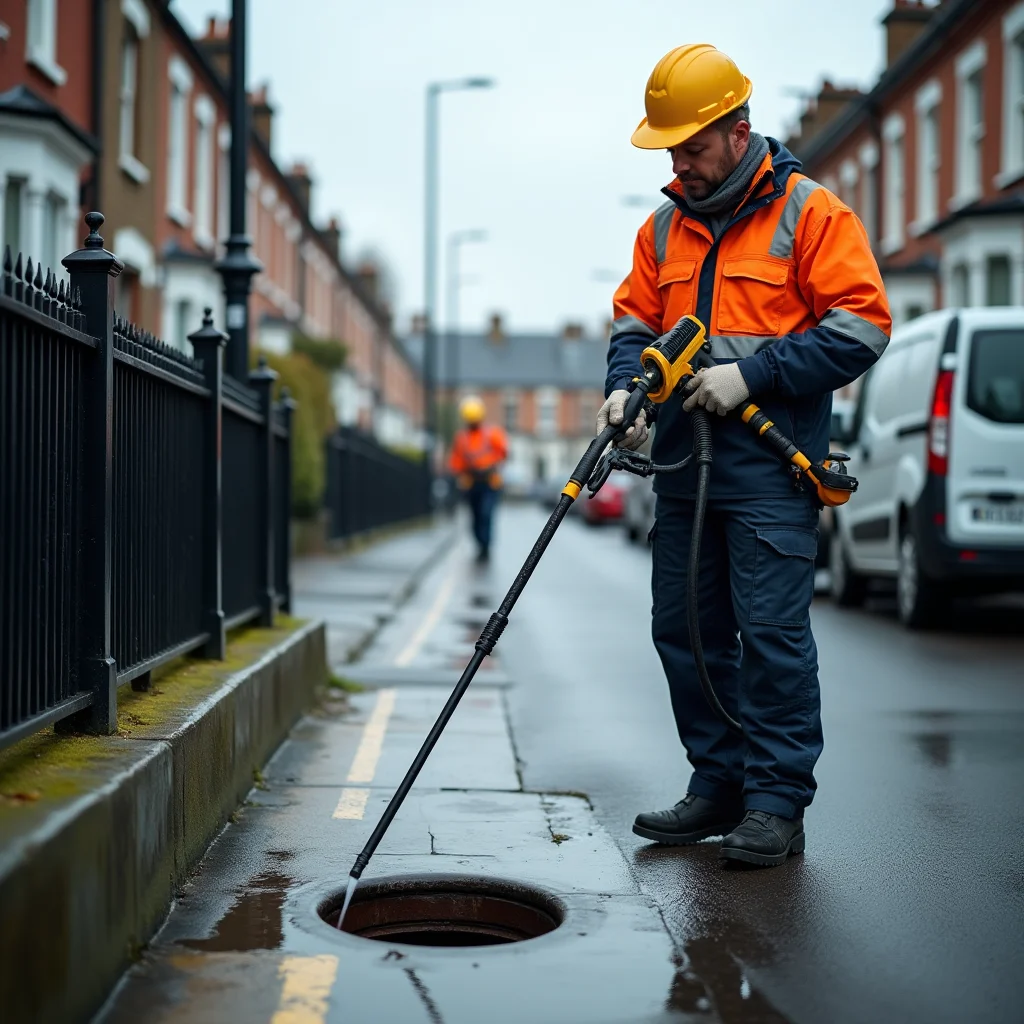
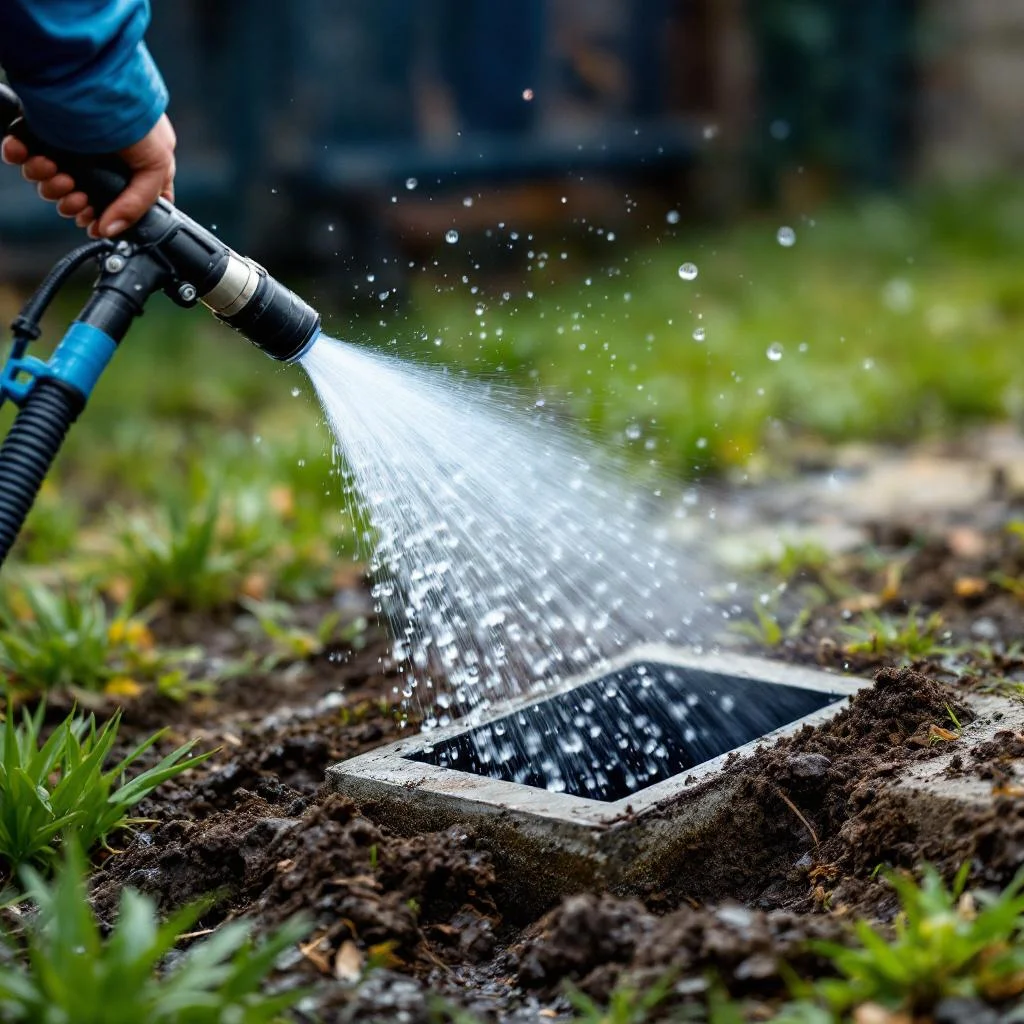
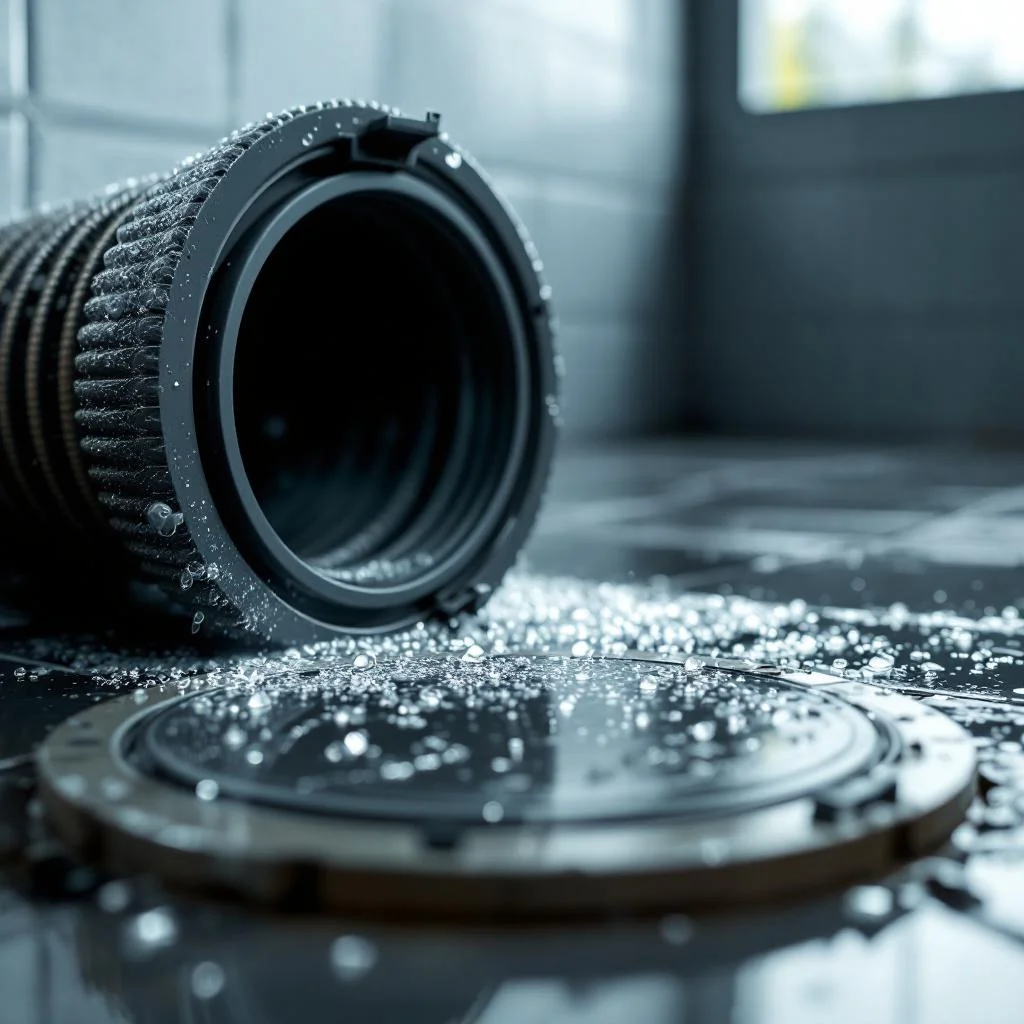
A jetting unit pumps water at pressures typically between 80 and 200 bar, depending on the pipe diameter and blockage type. The water is fed through a flexible hose to a purpose-designed nozzle. The nozzle has forward-facing jets that cut into the blockage and rear-facing jets that propel the hose forward through the pipe.
The rear-facing jets are the key innovation. Unlike a rod, which you push from outside the pipe, a jetting hose self-propels — it is pulled forward by its own thrust. This allows it to travel 50, 80, or even 100 metres from the access point, around bends, through inspection chambers, and along the full length of a drainage run that no rod could reach.
The cutting action of the forward jets, combined with the scouring effect of the water on the pipe walls, removes not just the blockage itself but the grease coating, scale, and debris that caused it. The cleared material is flushed forward to the next inspection chamber, where it can be removed or broken down into smaller particles that pass through to the Thames Water sewer.
Visit our drain jetting service page for more on the equipment we use and typical jetting scenarios.
When Jetting Is the Right Call
Recurring blockages. If the same drain blocks every few months after rodding, the underlying cause hasn't been addressed. Jetting cleans the pipe walls and removes the conditions that cause re-blocking.
Grease-dominated blockages. Kitchen drains in London — particularly in the Victorian terraces of Camden, Islington, and Hackney — accumulate grease over years. A rod won't shift it; a jet will. See our post on why Camden, Islington, and Hackney kitchens block most often.
Root intrusion. Specialist root-cutting nozzles spin at high speed and cut through root masses, then flush the debris clear. For established root problems, jetting is the only non-excavation solution.
Pre-relining preparation. If you're having a pipe relined, the pipe must be jetted clean before the liner is inserted. Any debris or grease left on the pipe wall will prevent the liner from bonding correctly.
Commercial properties. Restaurants, food service operations, and hotels accumulate grease at a rate that domestic properties don't. Regular jetting is standard maintenance in commercial drainage — see our commercial drain jetting guide for frequency recommendations.
Jetting Pressures and Pipe Age
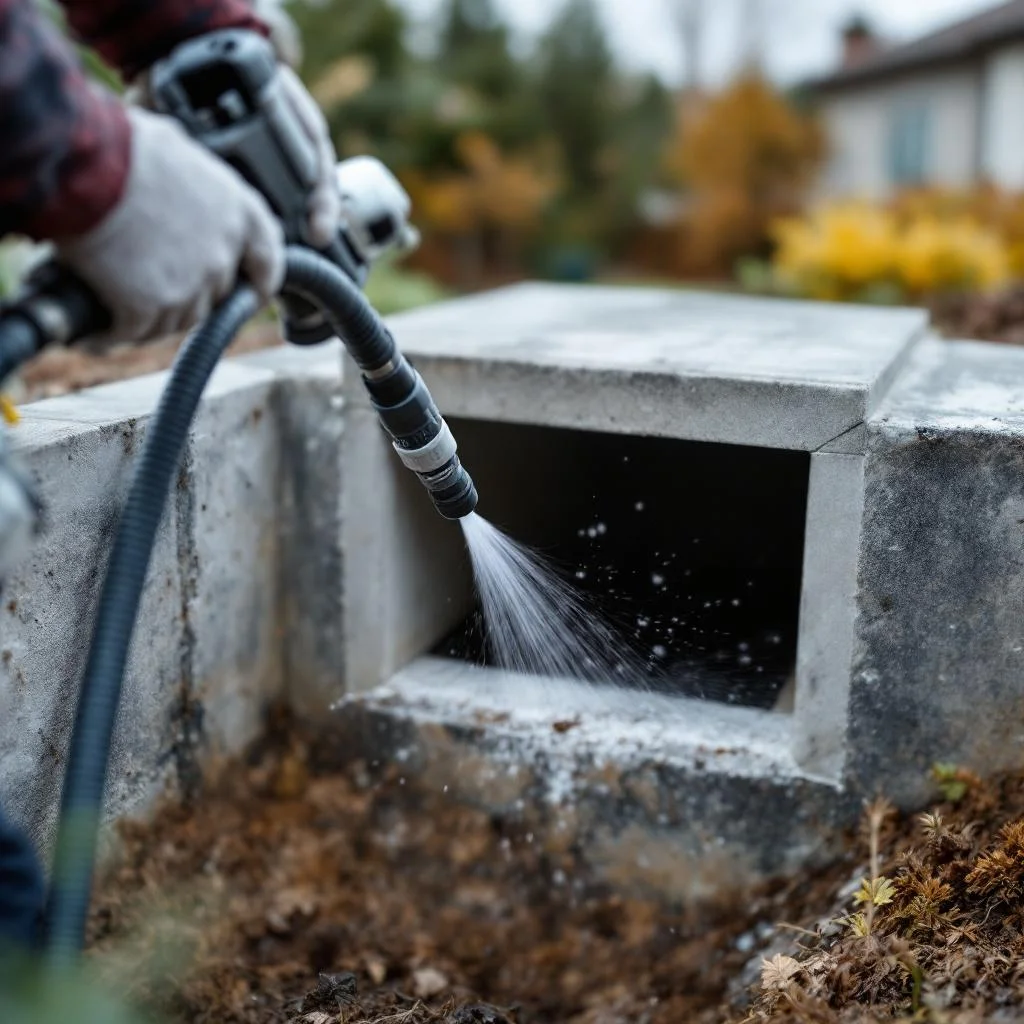
One concern homeowners raise — particularly those with older Victorian clay pipes — is whether high-pressure jetting will damage the pipe. It's a legitimate question and the answer depends on technique.
Modern jetting equipment allows pressure and flow rate to be adjusted for the pipe condition. A Victorian 100mm clay pipe that's structurally sound will tolerate standard jetting pressures without damage. A pipe with significant cracks, displaced joints, or missing sections is a different matter — directing 150 bar of water at a compromised joint can widen a crack or dislodge a section of pipe.
This is why a responsible jetting contractor will carry out a CCTV survey before jetting any pipe with a history of problems or any pipe more than 80 years old. The survey identifies structural defects before the jet causes collateral damage. Our teams carry CCTV equipment on every jetting job for exactly this reason. Our post on domestic drain jetting for old pipes covers this in more detail.
How Much Does Drain Jetting Cost?
The cost of a standard residential jetting job in London depends on access, run length, and blockage severity. Emergency callouts carry a premium. Our full breakdown is on the drain jetting cost page, including what drives the price difference between a simple job and a more complex one in terms of equipment and scope.
Frequently Asked Questions
Can I hire a jetting machine myself?
Domestic jet washers are available for hire but are not the same as professional drain jetting equipment. Domestic pressure washers typically operate at 100–150 bar with low flow rates, whereas professional jetting uses purpose-designed nozzles and flow volumes calibrated for pipe diameter. Using the wrong equipment can shift a blockage deeper into the pipe rather than clearing it.
How long does a drain jetting job take?
A straightforward residential drain — one blockage, one access point, runs of 20–30 metres — typically takes 45 minutes to an hour. Longer commercial runs or complex root-cutting jobs can take two to three hours.
Will jetting damage my pipes?
On structurally sound pipes, no. On pipes with existing cracks or displaced joints, high pressure can worsen the defect. This is why a CCTV inspection before jetting matters for older properties.
How often should I jet my drains?
Most residential properties don't need routine jetting — only when a blockage occurs. Properties with mature trees overhead, commercial kitchens, or a history of recurring blockages benefit from annual or biannual preventive jetting.
Do you cover the whole of London?
Yes. Request a quote online via our contact form or visit our drain jetting service page to arrange a jetting visit across Greater London.